7 Surprising Benefits of Macadamia for Heart, Brain, and Metabolic Health

Most people meet macadamias in a cookie or a gift tin and mentally place them in the “treats” category. They feel rich, indulgent, and special-occasion. Look a little closer, though, and these creamy nuts behave much more like a smart wellness tool than a guilty pleasure.

When you zoom in on the nutritional benefits of macadamia nuts, they start to look like a quiet powerhouse for heart, brain, and metabolic health. Instead of chasing the latest superfood trend, you can get a lot of long-term value by making simple, sustainable upgrades to what you already eat, and macadamias are a very easy one to plug into daily life.

1. A Creamy Nut Loaded With Good Fats

First, it helps to understand the basic macadamia nut nutritional facts. A small handful of macadamias, around 10 to 12 nuts or roughly 28 grams, comes in at about 200 calories. In that serving you get around 21 grams of fat, a couple of grams of protein, and only a few grams of carbohydrates, including a modest amount of fiber. On paper that sounds like a high-fat food, but the nuance sits in the type of fat.

Most of the fat in macadamias is monounsaturated. This is the same overall category of fat often associated with better heart and metabolic markers when it is part of a balanced diet. Instead of flooding your system with quick-burning sugars, macadamias give you slower, steadier energy. That makes them especially useful for people who feel better on lower-carb patterns or anyone who wants snacks that genuinely carry them between meals.

2. Supporting Better Cholesterol and Blood Vessels

From a heart health perspective, macadamias earn their place in the pantry. The monounsaturated fats they provide can support healthier cholesterol patterns when they replace more processed or saturated-fat-heavy snack options. Swapping a bag of refined crackers or sweets for a measured handful of macadamias seems like a small decision, but those small decisions are exactly what shape long-term cardiovascular health.

Beyond cholesterol, macadamias bring antioxidants and plant compounds that support blood vessel function. Over time, regularly including foods like this can encourage more flexible arteries, healthier blood lipids, and a calmer level of background inflammation. None of that is dramatic or overnight, but it is the kind of slow, steady improvement that matters when you think in years instead of days.

3. Low-Carb, Blood-Sugar-Friendly Energy

If you care about stable energy and metabolic health, macadamias are easy to work with. They are naturally low in carbohydrates and very low in sugar, and they have a bit of fiber to slow digestion. Instead of sending your blood sugar on a quick spike and crash cycle, they offer a slower burn that keeps you feeling more steady and focused.

This is where a strategy mindset pays off. Imagine a typical day where your snacks are biscuits, sweets, or highly processed bars. Replacing even one of those with a portion of macadamias removes a spike and gives your system something gentler to work with. You do not need a perfect diet to feel better. You just need a few key swaps that tilt your averages in the right direction.

4. Brain and Nerve Support From Fats, Vitamins, and Antioxidants

Your brain runs on a lot of energy and prefers stability over drama. It is built largely from fats, and it performs best when those fats are high quality and your antioxidant defenses are supported. Macadamias help on both fronts. Their monounsaturated fats and natural antioxidants contribute to protection from everyday oxidative stress, which is tied to how we age and how our brains function over time.

They also provide useful micronutrients, including thiamin, manganese, magnesium, and copper. These nutrients play roles in nerve signaling, energy production, and the body’s own antioxidant systems. Macadamias are not a memory supplement, but consistently including foods like this helps create a better environment for brain and nerve health, especially when combined with sleep, movement, and stress management.

5. Surprisingly Satisfying for Weight Management

At first glance, the calorie density of macadamias can feel intimidating if you are watching your weight. In practice, nuts are often linked with better appetite control and healthier body weight outcomes when used wisely. The mix of healthy fats, a little protein, and some fiber helps you feel properly satisfied instead of just temporarily distracted from hunger.

The difference shows up in your behavior. A small, intentional serving of macadamias can take the edge off hunger and keep you out of that desperate state where any snack will do. When you are not constantly fighting strong cravings, it becomes much easier to make calm, rational food choices. Over time, those more relaxed decisions often matter more than any strict short-term diet rules.

6. Tiny Source of Fiber and Protective Compounds

Macadamias will not replace high-fiber foods like beans or oats, but they still contribute meaningfully to your total intake. A serving offers a couple of grams of fiber, which supports regular digestion and acts as fuel for beneficial gut bacteria. A better-nourished gut is linked with smoother digestion, more stable mood, and a stronger immune system.

They also contain plant compounds such as phytosterols and flavonoids. These work alongside healthy fats to support a less inflammatory internal environment. Chronic, low-grade inflammation is connected with many modern health issues, from metabolic problems to joint discomfort. Building a diet around whole foods that nudge inflammation down, even slightly, can add up when you repeat those choices day after day.

7. A Nutrient-Dense Upgrade for Everyday Meals

One of the most underrated benefits of macadamia is how easy they are to plug into meals you already enjoy. A spoonful of chopped macadamias on a salad adds crunch, richness, and staying power. Mixed into roasted vegetables, they turn a simple side into something that feels restaurant-level. Sprinkled over yogurt, oats, or smoothie bowls, they add both texture and healthy fats without a complicated recipe.

Their flavor is naturally rich, so a little goes a long way. You might add only a tablespoon or two, but it can completely change how satisfying a meal feels. That is the real advantage of a nutrient-dense food. You are not just eating for numbers on a label. You are upgrading fullness, enjoyment, and nourishment at the same time.

In Conclusion

When you pull all of these pieces together, macadamias look less like a luxury and more like a smart, flexible tool in your health strategy. They support heart health with good fats, contribute to stable energy and metabolism, bring valuable nutrients to your brain and nervous system, and play a small but meaningful role in gut and inflammation balance. All of that comes wrapped in a food that is genuinely enjoyable to eat.

You do not need to overhaul your entire diet to make use of them. Start by swapping one processed snack for a measured handful of macadamias or add a spoonful to one meal a day. Track how your energy, cravings, and satisfaction feel over a few weeks. That kind of practical, sustainable shift tends to beat extreme rules every time, and macadamias are a simple, delicious way to move your everyday habits in a healthier direction.


The Role of Technology in Modern Child Care Franchise Success

In today’s fast-paced and dynamic world, technology is a driving force for innovation across all sectors, and education is no exception. Within the child care franchise industry, organizations like Celebree School are leading the way in harnessing digital advancements to provide enriched, high-quality early learning experiences. Technology is not viewed simply as an accessory but as a vital component in cultivating engaging, effective, and future-ready learning environments. This article explores the strategic integration of technology within a child care franchise setting and how it supports the developmental needs of young learners while ensuring operational excellence.

Interactive Learning Tools to Ignite Curiosity

A key benefit of technology within a child care franchise is the use of interactive learning tools. Celebree School, for example, incorporates digital resources—including tablets and age-appropriate educational software—that promote exploration, independence, and active participation. These tools are thoughtfully selected to capture and sustain children’s interest, encouraging curiosity and discovery through educational games and multimedia experiences. By integrating technology into daily activities, children have the opportunity to build foundational skills in literacy, mathematics, and critical thinking in ways that are both enjoyable and impactful. This technology-driven learning helps lay the groundwork for continued academic achievement.

Enhancing Communication and Collaboration

Clear and consistent communication is essential in any educational setting, and it is especially important in a child care franchise, where trust and collaboration between families and staff are paramount. Leading franchises utilize advanced technology platforms to bridge communication gaps, allowing parents to receive timely updates on their child’s progress, milestones, and daily experiences. This transparency not only builds confidence among parents but also increases engagement, enabling families to partner with educators and reinforce learning at home. As a result, technology strengthens the home-school connection, contributing to a holistic and cohesive approach to early childhood development.

Fostering Digital Literacy from an Early Age

In an era dominated by digital technology, it is vital to introduce children to digital literacy from an early age. Progressive child care franchises intentionally design their curricula to expose young learners to technology in responsible and age-appropriate ways. Activities might include guided use of educational apps, supervised exploration of interactive websites, and introductory coding exercises. These experiences help children develop confidence and familiarity with digital tools, which are increasingly important for future academic and professional success. By fostering digital literacy early, child care franchises prepare children to navigate and thrive in a technology-driven world.

Balancing Screen Time with Hands-On Experiences

Despite the many benefits technology brings to the classroom, leading child care franchises recognize the importance of maintaining a healthy balance between screen-based learning and hands-on, experiential activities. Celebree School, for instance, adopts a holistic educational philosophy that integrates technology with traditional forms of play and creative expression. Interactive whiteboards may be paired with storytelling and group discussions, while tactile activities such as art, building, and sensory play continue to play a central role in the curriculum. This balanced approach cultivates creativity, collaboration, and critical thinking, ensuring children develop a well-rounded set of skills without overreliance on digital devices.

Preparing for a Technologically Advanced Future

Strategic integration of technology within a child care franchise setting does more than enhance day-to-day learning; it also equips children with the adaptability and problem-solving skills essential for long-term success. Educators utilize technology to foster adaptability, resilience, and critical thinking—competencies that are increasingly valued in our rapidly changing society. By fostering a culture of curiosity and lifelong learning, franchises like Celebree School ensure that children are not only academically prepared but also confident and resourceful as they move forward in their educational journeys.

Conclusion

In conclusion, the thoughtful incorporation of technology within a child care franchise setting, such as that of Celebree School, yields significant benefits for young learners, families, and educators alike. Interactive tools, enhanced channels of communication, and a strong focus on digital literacy contribute to a dynamic and supportive environment where children are empowered to reach their full potential. By carefully balancing technological innovation with hands-on learning and social development, modern child care franchises are not only responding to current educational trends but also proactively preparing children for future academic and personal success. Embracing technology in this context is a deliberate, forward-thinking investment in the growth and development of the next generation.

Why the Right Home Care Software Matters

Table of Contents

  1. Why the Right Home Care Software Matters
  2. Key Features That Set ShiftCare Apart
  3. Real-World Results from Home Care Providers
  4. Seamless Onboarding and Scalable Growth
  5. Why ShiftCare is the Future of U.S. Home Health

Why the Right Home Care Software Matters

In today’s home health care landscape, agencies are expected to deliver high-quality, person-centered care while managing complex regulatory requirements and tight budgets. Without the right tools, administrative inefficiencies and compliance gaps can hinder growth and negatively impact care outcomes.

This is where ShiftCare’s Home Care Software makes a significant difference. Designed specifically for U.S.-based providers, it streamlines operations, improves caregiver productivity, and ensures a higher standard of care across the board.

Key Features That Set ShiftCare Apart

ShiftCare isnt t just another scheduling tool. Itâ s an all-in-one platform designed to empower care teams and simplify agency operations.

Standout Features Include:

  • Smart Scheduling: Quickly assign shifts based on caregiver availability, skills, and client needs.
  • Progress Notes & Documentation: Caregivers log visit notes in real-time, eliminating end-of-day backlog.
  • Secure Messaging: HIPAA-compliant communication tools improve collaboration between staff.
  • Client Care Plans: Digitally align goals, preferences, and tasks with each visit.
  • Billing and Payroll Integration: Automate timesheets, reduce admin time, and ensure accurate invoicing.

By combining essential tools in one platform, ShiftCare minimizes tech fatigue and maximizes team performance.

Real-World Results from Home Care Providers

ShiftCare isnt t just theoretically effective it delivers measurable improvements for home care agencies across the U.S.

  • 30% increase in caregiver time spent on client-facing care
  • 50% reduction in documentation errors
  • 25% improvement in team communication and task clarity
  • 40% faster onboarding of new team members

Agencies report increased client satisfaction due to timely, transparent, and consistent care delivery’s all made possible by the platform’s streamlined workflows.

Seamless Onboarding and Scalable Growth

Whether you’re a small agency or a growing multi-location provider, ShiftCare makes implementation effortless. The onboarding process includes:

  • Personalized setup assistance
  • Staff training and support
  • Data migration from existing systems
  • Ongoing customer support and product updates

As your agency scales, ShiftCare scales with you, offering flexible features to support additional clients, staff, and compliance requirements without added complexity.

Why ShiftCare is the Future of U.S. Home Health

With increasing demand for home-based services, agencies need tools that are not just functional but future-ready. ShiftCare stands out by offering:

User-friendly interfaces
 HIPAA-compliant cloud infrastructure
Real-time insights and performance tracking
Robust mobile access for caregivers on the move

It’s more than just software  it’s a partner in delivering quality care with efficiency, transparency, and confidence.

Final Thoughts

In an industry where both time and trust are critical, ShiftCare’s home care software helps agencies meet challenges head-on. From improving internal workflows to enhancing the client experience, ShiftCare empowers your entire team to focus on what matters most: delivering exceptional care.

If you’re ready to reduce operational friction and elevate your service quality, ShiftCare is the solution built for your success today and into the future.

Achieve a Youthful Look with Non-Surgical Enhancements

Rediscover a vibrant and youthful appearance with expert insights into non-surgical enhancements. Learn how treatments such as dermal fillers, wrinkle relaxers, microneedling, and more can refresh your look without the need for invasive surgery.

Long gone are the days when achieving a youthful look meant going under the knife. Today’s non-surgical enhancements blend advanced technology, minimal downtime, and natural-looking results. It’s no surprise these treatments have become a preferred choice for those seeking both subtle and significant improvement.

Minimally invasive options appeal to anyone who wants to:

  • Refresh facial features without surgical scars
  • Enjoy shorter recovery times
  • Experience immediate or rapidly visible results
  • Maintain a natural, expressive appearance

Understanding Your Options for Non-Surgical Facial Rejuvenation

A host of innovative treatments are available for facial enhancement. Each offers unique benefits for addressing common signs of aging, such as fine lines, volume loss, uneven tone, and skin laxity.

Dermal Fillers

One of the most requested non-surgical treatments is dermal fillers in McMinnville. Dermal fillers can restore youthful volume, smooth out deeper facial lines, and enhance contours. 

A few key benefits of dermal fillers include:

  • Smoothing nasolabial folds (smile lines)
  • Plumping thinning lips
  • Restoring lost volume in cheeks and under-eye hollows
  • Enhancing jawline and chin definition

Hyaluronic acid-based fillers like Restylane and RHA are especially popular for their ability to integrate with your body’s natural tissue, resulting in soft, natural movement.

Wrinkle Relaxers

Wrinkle relaxers are another non-surgical mainstay, targeting dynamic wrinkles caused by repeated facial movements. Products with botulinum toxin like Xeomin, Dysport, and Jeuveau can:

  • Relax frown lines between the brows
  • Smooth crow’s feet around the eyes
  • Minimize forehead furrows
  • Provide a “brow lift” effect

The procedure is quick, with no required recovery time, making it easy to fit into any lifestyle.

Microneedling for Texture and Tone

Microneedling, especially radiofrequency-assisted optionslike Scarlet RF, delivers controlled micro-injuries to the skin to stimulate collagen production. This versatile procedure can:

  • Tighten mild to moderate skin laxity
  • Reduce the appearance of acne scars and enlarged pores
  • Improve sun-damage and uneven pigmentation
  • Enhance overall skin texture

Microneedling is suitable for various skin types and can be repeated periodically for ongoing improvement.

Chemical Peels and Skin Care Products

Chemical peels are a classic yet effective skin resurfacing technique. Modern medical-grade solutions like The Perfect Derma Peel offer:

  • Brighter, more even skin tone
  • Reduced fine lines and superficial scars
  • Smoother texture with minimal downtime

Medical-grade skin care, such as ZO Skin Health products, can further support your youthful appearance by:

  • Preventing new signs of aging from emerging
  • Correcting existing pigmentation or texture concerns
  • Protecting against environmental damage

Addressing Double Chin Without Surgery

Submental fullness, or “double chin,” is a common concern that non-surgical treatments can address. Injectables such as Kybella effectively break down fat cells under the chin with little to no downtime.

Vein Treatments for Face and Legs

Visible facial or leg veins, including spider veins and small varicose veins, often add years to one’s appearance. Sclerotherapy uses targeted injections to fade these veins, improving the overall look of treated areas without surgery.

Choosing the Right Non-Surgical Approach

The best non-surgical enhancement plan is highly personalized. Factors such as age, genetics, lifestyle, and desired outcomes all guide treatment recommendations. Skilled providers can create a custom roadmap that combines treatments for comprehensive yet natural results.

Most reputable clinics, including those specializing in cosmetic injections and dermal fillers, offer consultations to assess your specific needs and design a strategy aligned with your goals.

Safety and Effectiveness in Non-Surgical Enhancements

All non-surgical cosmetic procedures require expertise for optimal safety and natural results. Certified and experienced professionals bring a blend of medical knowledge and an artistic eye, which is critical for balanced enhancements. Reviews and word-of-mouth from satisfied clients often highlight the benefits of choosing a provider who prioritizes comfort, clear communication, and personalized care.

Takeaways Non-Surgical Treatments Can Refresh Your Natural Beauty

Non-surgical enhancements have revolutionized how individuals approach aging and facial rejuvenation. With a suite of minimally invasive options available, achieving a youthful look is more accessible, effective, and natural than ever before.

By focusing on personalized care, subtle improvements, and safe practice, these treatments help countless people feel confident and refreshed in their skin.

How Posture Shapes More Than Your Back

Sitting straight isn’t just about avoiding back pain—it affects your overall well-being. Posture impacts not only your spine but also your health, energy, mood, and confidence. This blog explores how posture shapes more than just your back and offers simple tips to improve it today.

Rethinking What Posture Means

Most people think of posture in terms of hunching at a desk or slouching on the couch. It’s easy to view posture as little more than a physical habit that leads to backaches. But posture is your body’s foundation for every movement you make. When it’s strong and balanced, everything works better—from your breathing to your mood. If you’ve wondered why you’re feeling fatigued or anxious even when you haven’t strained your back, it might be time to pay more attention to how you sit and stand.

This post sheds light on the mechanics of posture, its impacts on both body and mind, and practical steps to help you move and feel your best.

The Mechanics of Posture

Muscles, Spine, and Structure

Your posture isn’t defined just by your spine. It’s a delicate balance involving dozens of muscles, from the soles of your feet up to your neck. Good posture means that your bones are well aligned, your muscles work efficiently, and your joints are protected from excess stress.

  • Spinal Alignment

The spine has three natural curves at the neck, upper back, and lower back. Proper posture maintains these gentle bends, so your head is above your shoulders and your shoulders are above your hips.

  • Key Muscle Groups

Core muscles, including the abdominals, lower back, and pelvic floor, help to stabilize the spine. The upper back and neck muscles keep your head upright, while hip and leg muscles maintain balance when you sit or stand.

  • Movement Patterns

Small habits, like favoring one side while standing or sitting hunched forward, can slowly pull the whole system out of balance. Over time, poor alignment can overload certain muscles and leave others weak.

Every day, posture is shaped by how you use technology, how you move, and even your stress levels. The result? Posture becomes a snapshot of your lifestyle.

How Bad Posture Affects Physical Health

Posture isn’t just a back issue. It ripples through many body systems, leading to symptoms you might never link to the way you sit or stand.

Breathing

Slouching compresses your lungs and diaphragm, restricting airflow. Shallow breathing becomes the norm when your chest and ribcage can’t expand fully. Over time, you may notice reduced stamina, brain fog, or even headaches, all stemming from less oxygen reaching your blood and brain.

Digestion

That crumpled posture after lunch? It slows down digestion. Poor alignment compresses your abdominal organs, leading to slower movement of food through the gut. This can cause bloating, constipation, indigestion, and discomfort after meals.

Circulation

Blood flows most easily when your heart, spine, and hips are well-aligned. Slumping at your desk or crossing your legs for hours can restrict circulation, increasing the risk of varicose veins or cold hands and feet. Poor circulation also slows healing and can make you feel sluggish or tired, even if you’ve had enough rest.

Aching Muscles and Joints

Over time, poor posture can strain muscles and ligaments, leading to aches in the neck, shoulders, hips, and knees. It also accelerates wear and tear on joints, raising your risk of arthritis and injuries.

Quick fact: Studies show that correcting posture can significantly reduce the frequency of headaches and chronic pain in office workers.

The Mental and Emotional Effects of Posture

Posture isn’t just physical; it’s psychological too. The science of the mind-body connection shows that the way you carry yourself influences your mental and emotional states.

Mood

Your posture sends silent signals to your brain. Standing tall with your head up boosts neurotransmitters like serotonin and dopamine, naturally lifting your mood. Conversely, slouching is linked to feelings of depression, sadness, or anxiety. Multiple studies have found that upright posture leads to more positive emotions, while poor posture makes it harder to manage stress.

Energy and Motivation

When your muscles work efficiently, energy is conserved and available for activity. Poor posture drains energy by forcing muscles to compensate for an imbalance. This can translate into feeling physically and mentally drained, making motivation harder to muster through the day.

Confidence and Stress

Nonverbal cues influence how we see ourselves. Adopting a strong, open posture not only projects confidence to others but also boosts internal confidence. Power posing, for example, shows measurable changes in hormonal levels associated with stress and confidence, even after just a few minutes.

Focus and Mental Performance

Sitting hunched over can shrink your lung capacity and limit oxygen flow, which affects concentration and mental clarity. By maintaining good posture, you help your brain stay alert and focused, which can make your workday more productive.

Correcting Your Posture: Simple Steps for Everyday Life

No one develops perfect posture overnight, but small, consistent habits can make a noticeable difference. Here’s how to start:

Body Scan Awareness

Before you correct your posture, you need to notice it. Set a phone alert or sticky note as a reminder. Check in with yourself throughout the day, from your shoulders to your feet.

Active Sitting and Standing

  • Keep your feet flat on the ground, knees at hip level, and shoulders relaxed.
  • Use a lumbar pillow or rolled towel to support the natural curve of your lower back.
  • Adjust your computer screen to eye level to prevent craning your neck.

Core Engagement

Strong core muscles support good posture even when you’re tired. Try to gently pull your belly button toward your spine for a few minutes every hour. Planks, bridges, and gentle yoga are excellent ways to build core strength.

Incorporate Regular Movement

Our bodies aren’t designed to stay still. Stand, stretch, or walk at least once an hour during the workday. Gentle shoulder rolls, chest openers, and neck stretches can undo hours of tension.

Mindful Technology Use

If you spend long hours on devices, try to elevate them rather than bending forward. You’ll take pressure off your neck and spine, and your eyes will thank you too.

Seek Expert Guidance

For persistent discomfort or uncertainty about your alignment, consult with a corrective chiropractor, such as those in Ionia. They can assess your posture, identify problem areas, and design a plan tailored to your needs.

Conclusion

Posture shapes every part of your daily life—from how you digest your lunch to how confidently you walk into a meeting. The impacts stretch far beyond backaches, weaving through your physical health and emotional well-being. The best part? Even small changes to your daily habits can spark big improvements.

Fast-Acting Relief for Mental Health Struggles

Mental health struggles can feel overwhelming, leaving individuals searching for effective support. While traditional therapies and medications require time to take effect, advancements in mental health care have introduced innovative, fast-acting treatments. These approaches offer new hope to those seeking immediate relief. This article examines some of these treatments, emphasizing their benefits and considerations.

Understanding the Need for Immediate Relief

For many battling mental health conditions such as depression, anxiety, or PTSD, waiting for relief can intensify feelings of distress. Traditional treatments like therapy sessions or antidepressants often require weeks to show results, leaving some to feel stuck in their struggle. This delay has spurred the development of faster-acting options designed to meet urgent needs, providing both effective and efficient support.

Exploring Rapid Solutions for Mental Health

Ketamine and Its Role in Mental Health

One of the most promising fast-acting treatments is ketamine therapy. Initially used as an anesthetic, ketamine has gained attention for its potential to alleviate symptoms of depression, PTSD, and other conditions when administered in controlled settings. Unlike conventional medications, ketamine has a direct impact on brain function, targeting glutamate receptors, which can lead to more immediate symptom relief. A growing number of clinics, including those offering ketamine therapy in Sandy, are making this treatment more accessible.

Transcranial Magnetic Stimulation (TMS)

Another cutting-edge option is transcranial magnetic stimulation (TMS). This non-invasive procedure uses magnetic fields to stimulate nerve cells in the brain. TMS has shown promise in helping individuals with treatment-resistant depression and anxiety. Sessions are typically quick, allowing patients to resume their daily activities immediately afterward. While TMS may require multiple sessions, many report a noticeable improvement after just a few appointments.

Mindfulness-Based Approaches

Mindfulness and relaxation techniques, when practiced effectively, can serve as fast-acting tools to alleviate mental health symptoms. Methods such as deep breathing, meditation, or progressive muscle relaxation encourage immediate calm and help reduce overwhelming stress. Digital resources like meditation apps have made these strategies easy to access and integrate into daily routines.

Key Considerations Before Starting Fast-Acting Treatments

While these treatments hold significant potential, it’s essential to consider key factors before pursuing them:

  1. Consult with a Professional – Always speak to a qualified healthcare provider to determine the best course of action and understand potential risks.
  2. Treatment Suitability – Innovative treatments like ketamine or TMS may not be suitable for everyone. Factors such as medical history and current medications need to be evaluated.
  3. Safety and Supervision – Fast-acting therapies should always be administered under medical supervision in a controlled environment to ensure safety and efficacy.
  4. Financial Accessibility – Due to their advanced nature, these treatments can be costly. Research insurance options or payment plans to plan accordingly.

Benefits of Fast-Acting Therapeutic Solutions

The appeal of fast-acting treatments lies in their immediate impact, allowing individuals to experience relief quickly rather than coping with weeks or months of minimal progress. This can greatly improve quality of life, restore hope, and encourage long-term engagement with broader mental health care strategies, such as ongoing therapy or lifestyle adjustments.

Additionally, some treatments, like ketamine therapy, work differently than traditional methods, responding to the complexities of certain mental health conditions more effectively in some cases. This can make them particularly beneficial for individuals who have not experienced results from other therapies.

Balancing Short-Term Relief and Long-Term Wellness

While fast-acting treatments can offer immediate relief, they often work best when complemented by a broader mental health plan. For instance, exploring therapy options or participating in support groups can provide tools for sustaining mental wellness. Engaging in regular physical activity, maintaining a healthy diet, and getting adequate sleep also contribute to overall mental health, creating a strong foundation for healing.

Fast-acting solutions should be viewed as part of a comprehensive care approach, offering quick relief while allowing for deeper healing over time. Addressing the root causes of mental health struggles is just as vital as finding immediate solutions.

Guide to Getting Certified in Dental Implantology 2024

Dental implantology, a significant branch of modern dentistry, revolves around the replacement of missing teeth with implant-supported prostheses. This field not only restores functionality but also enhances aesthetic appeal, thus improving patients’ quality of life.

Understanding Certification in Dental Implantology

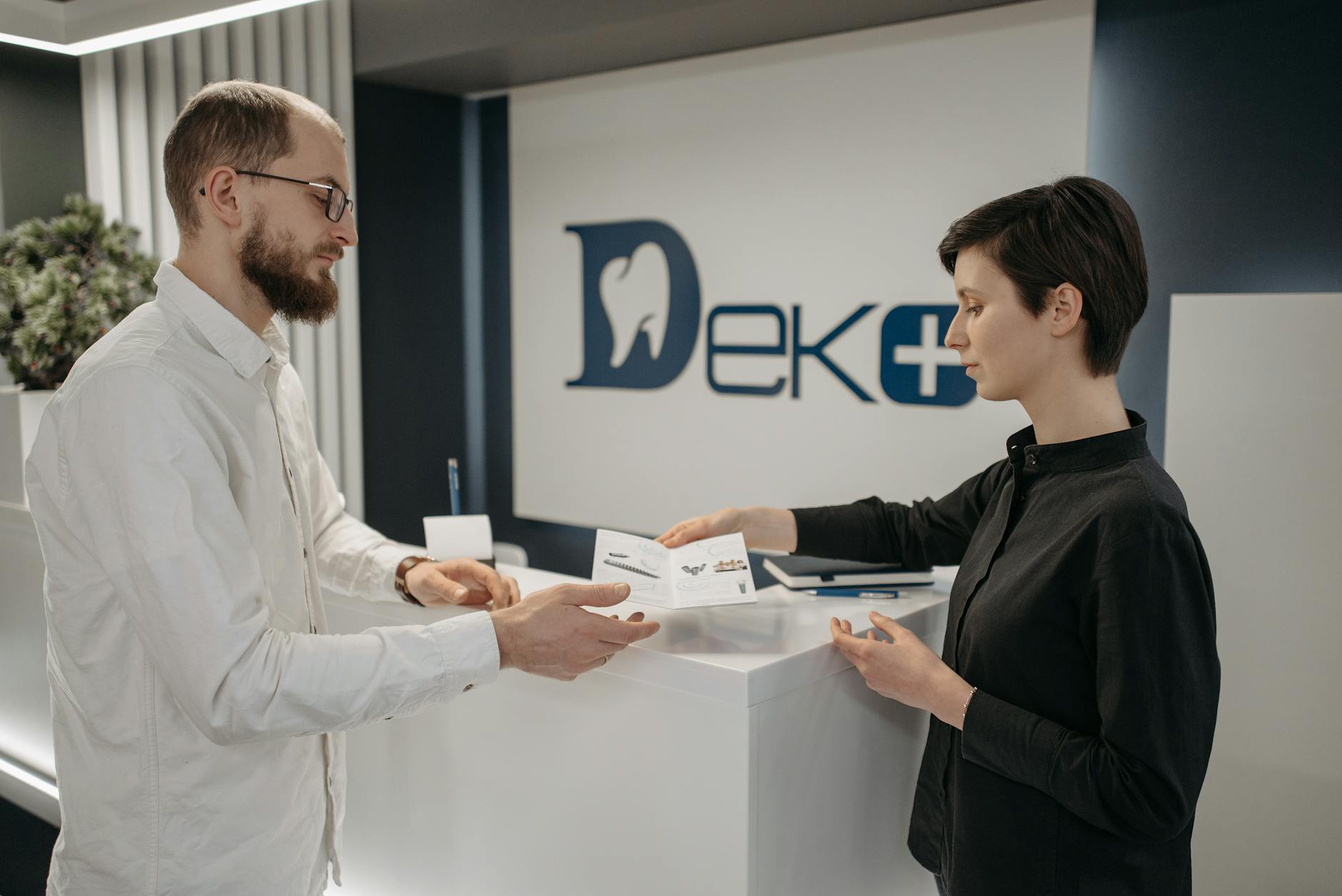
Photo by Pavel Danilyuk on Pexels.com

Certification in dental implantology represents a benchmark of excellence and a commitment to the highest standards of patient care. This prestigious credential is awarded to dentists who have successfully completed specialized training and demonstrated proficiency in the field of implant dentistry.

Why Certification Matters

  • Professional Recognition: Certification distinguishes a dentist as an expert in dental implantology, enhancing their professional reputation.
  • Improved Patient Trust: Patients often seek certified professionals for complex procedures, knowing they are in skilled hands.
  • Access to Advanced Techniques: Certified dentists are trained in the latest implant technologies and methods, ensuring patients receive state-of-the-art care.

Process of Certification

  1. Education: The first step is obtaining a degree in dentistry. This foundational education is crucial as it covers all aspects of dental care, providing a strong base for specializing in implantology.
  2. Specialized Training: After dental school, dentists undergo additional training focused specifically on implantology. This includes hands-on experience and in-depth study of implant procedures, materials, and patient care.
  3. Examination: Certification typically requires passing a rigorous examination. This exam tests a candidate’s knowledge and skills in dental implantology, ensuring they meet the high standards set by the certifying body.
  4. Continuing Education: Once certified, dentists must engage in ongoing education. This ensures they stay current with emerging trends, techniques, and technological advancements in dental implantology.

Benefits of Certification

  • Enhanced Skills and Knowledge: Certification ensures that a dentist has acquired specialized skills and a deep understanding of dental implants, from surgical placement to prosthetic restoration.
  • Better Career Opportunities: Certified implantologists often have access to more diverse and lucrative career opportunities, including specialized practices and academic positions.
  • Networking Opportunities: Being part of a certifying body provides opportunities to connect with other professionals in the field, facilitating knowledge exchange and professional growth.

Choosing the Right Certification Program

  • Accreditation: Ensure the program is accredited by a reputable dental organization.
  • Curriculum: The program should cover all aspects of implant dentistry, including the latest techniques and technologies.
  • Faculty Expertise: Instructors should be experienced and well-respected in the field of dental implantology.
  • Hands-On Training: Look for programs that offer substantial practical experience in implant procedures.

Educational Pathways to Certification

The journey to becoming a certified dental implantologist involves a structured educational pathway, designed to equip dentists with the specialized knowledge and skills required in this advanced field. This pathway is comprehensive, ensuring that every certified professional can provide the highest standard of care in implant dentistry.

1. Initial Dental Education

  • Bachelor’s Degree in Dental Surgery (BDS) or Doctor of Dental Surgery (DDS)/Doctor of Dental Medicine (DMD): This is the foundational step. These degree programs, typically lasting 4-6 years, cover all basic and clinical sciences related to general dentistry.
  • Key Subjects: Courses in these programs include anatomy, physiology, biochemistry, pharmacology, and general dentistry techniques. It lays the groundwork for understanding the more complex concepts of dental implantology.

2. Postgraduate Specialization

  • Masters or Postgraduate Diploma in Dental Implantology: Following dental school, dentists can pursue specialized training in implant dentistry. These programs are typically 1-3 years and focus intensively on implantology.
  • Curriculum: The curriculum usually includes advanced study of oral and maxillofacial surgery, prosthodontics (replacement of missing teeth), periodontics (gum health), and implant placement techniques.
  • Clinical Training: Crucial to these programs is the hands-on clinical experience where dentists get to practice under supervision, honing their skills in implant placement, patient assessment, and postoperative care.

3. Licensing and Certification

  • National or Regional Licensing: Before entering a specialization program, dentists must hold a valid license to practice general dentistry, which usually requires passing a national or regional board examination.
  • Certification Exam: After completing specialized training, dentists need to pass a certification exam offered by a recognized dental implantology board. These exams test both theoretical knowledge and practical skills.

4. Fellowship Programs

  • Some dentists opt for fellowship programs in implant dentistry. These are usually more rigorous and provide in-depth training and research opportunities in advanced implantology techniques.

5. Continuing Education

  • Even after certification, continual learning is essential. Implant dentistry is a rapidly evolving field, and ongoing education is necessary to stay updated with the latest techniques, materials, and technologies.

6. Practical Experience

  • Beyond formal education, gaining practical experience is crucial. Working under the mentorship of an experienced implantologist, participating in workshops, and attending professional seminars help in building expertise and confidence.

7. Research and Academic Contributions

  • Engaging in research and contributing to academic literature can further deepen a dentist’s understanding of implantology. Many certification programs encourage or require participation in research.

Key Skills and Knowledge Areas Aspiring dental implantologists must master various skills, from precise surgical techniques to the art of prosthodontics, and effective patient management strategies.

1. Surgical Skills

  • Precision in Implant Placement: The ability to accurately place dental implants is fundamental. This involves careful planning and precise surgical technique to ensure the implant is correctly positioned for optimal function and aesthetics.
  • Bone Grafting and Management: Knowledge of bone grafting techniques is crucial when dealing with bone loss. This includes understanding different grafting materials and methods to create a solid foundation for implants.
  • Soft Tissue Management: Managing the gums and surrounding soft tissues during and after implant surgery is vital for the implant’s success and aesthetic outcome.

2. Prosthodontic Skills

  • Designing Dental Prostheses: Implantologists must be adept at designing and fitting dental prostheses, such as crowns, bridges, and dentures, that are supported by implants. This requires a deep understanding of occlusion (bite) and aesthetics.
  • Customization for Patients: Tailoring dental prostheses to meet individual patient needs and preferences is essential. This involves selecting appropriate materials and ensuring a natural appearance and comfortable fit.

3. Diagnostic and Treatment Planning

  • Comprehensive Patient Assessment: Before implant surgery, a thorough evaluation of the patient’s oral health, including teeth, gums, and bone structure, is necessary.
  • Use of Diagnostic Imaging: Proficiency in using tools like X-rays, CT scans, and 3D imaging is crucial for detailed visualization of the jawbone and adjacent structures, aiding in precise implant placement.
  • Developing a Treatment Plan: Creating a comprehensive treatment plan that addresses the patient’s specific needs and outlines the steps of the implant procedure.

4. Knowledge of Materials and Technologies

  • Implant Materials: Understanding the properties and biocompatibility of various implant materials, such as titanium and zirconia, is important.
  • Technological Advancements: Keeping up-to-date with the latest technologies in implant dentistry, like computer-guided implant surgery and digital impressions, enhances the efficiency and success of procedures.

5. Patient Management and Communication Skills

  • Patient Education: Clear communication about the implant process, care instructions, and expectations is crucial.
  • Empathy and Reassurance: Providing comfort and reassurance to patients, especially those who are anxious about dental procedures.
  • Postoperative Care: Advising patients on postoperative care to ensure proper healing and implant success.

6. Business and Practice Management

  • Running a Dental Practice: Skills in managing a dental practice, including staff management, financial planning, and marketing, are beneficial for implantologists in private practice.
  • Ethical and Legal Knowledge: Understanding the legal and ethical considerations in dental implantology to ensure compliance and high standards of patient care.

7. Commitment to Continuous Learning

  • The field of dental implantology is continuously evolving. A commitment to lifelong learning through continuing education courses, seminars, and professional memberships is essential to stay abreast of new techniques and innovations.

Certification Bodies and Accreditation Various reputable organizations offer certification in dental implantology. These organizations ensure that dental professionals meet the highest standards of education, training, and ethical practice in implant dentistry.

  1. American Board of Oral Implantology/Implant Dentistry (ABOI/ID): A leading certification body in the United States, setting comprehensive standards for implantology proficiency.
  2. International Congress of Oral Implantologists (ICOI): Globally recognized, the ICOI offers extensive educational resources and certification programs in implant dentistry.
  3. American Academy of Implant Dentistry (AAID): Provides credentialing in implant dentistry through rigorous examinations and validates expertise in this field.
  4. European Association for Osseointegration (EAO): A prominent body in Europe, focusing on the advancement and certification of implant dentistry.
  5. Accreditation Processes:
    • Eligibility Verification: Verifying educational qualifications and practical experience.
    • Examination: Comprehensive testing of theoretical knowledge and clinical skills.
    • Continuing Education Requirements: Mandating ongoing learning to maintain certification status.
  6. Standards of Excellence: These bodies uphold high standards in implantology, ensuring certified professionals deliver quality care.
  7. Global Recognition: Accreditation from these organizations is widely respected, enhancing the credibility and international standing of certified implantologists.

Preparing for Certification

The preparation for certification in dental implantology involves a series of steps, focusing on building knowledge, skills, and experience in the field.

  1. Academic Foundations:
    • Complete Dental Degree: Obtain a BDS, DDS, or DMD degree as a prerequisite.
    • Understand Basic Concepts: Solidify understanding of basic dental sciences and general dentistry.
  2. Specialized Training:
    • Enroll in Specialization Programs: Pursue postgraduate courses or residencies in implant dentistry.
    • Hands-On Experience: Gain practical experience through clinical training in implant placement and management.
  3. Study and Review:
    • Theory and Practice: Study implant dentistry’s theoretical aspects and surgical techniques.
    • Review Courses: Consider enrolling in review courses or preparatory workshops specifically designed for certification exams.
  4. Clinical Competence:
    • Develop Surgical Skills: Practice and refine surgical techniques, including implant placement, bone grafting, and soft tissue management.
    • Patient Case Management: Gain experience in handling diverse patient cases from assessment to postoperative care.
  5. Professional Development:
    • Attend Seminars and Conferences: Stay updated with the latest advancements and network with professionals.
    • Engage in Research: Participate in research projects to deepen understanding and contribute to the field.
  6. Examination Preparation:
    • Understand Exam Format: Familiarize with the structure and content of the certification examination.
    • Mock Exams and Study Groups: Use practice tests and study groups for comprehensive preparation.
  7. Ethical and Legal Knowledge:
    • Learn Professional Ethics: Understand the ethical considerations and legal aspects of dental implantology.
  8. Mental Preparation:
    • Build Confidence: Develop confidence through consistent practice and mentorship.
    • Stress Management: Learn techniques to manage exam anxiety and maintain focus.

.

The Certification Examination

The certification examination for dental implantology is a critical step in becoming a certified implantologist. It assesses a candidate’s comprehensive knowledge and skills in the field.

  1. Exam Format:
    • Written Component: Tests theoretical knowledge in implant dentistry, including anatomy, material science, and procedural protocols.
    • Practical Assessment: Evaluates hands-on skills in implant placement, bone grafting, and prosthodontics.
  2. Preparation Strategy:
    • Study Key Topics: Focus on core areas of implantology, including surgical techniques and patient management.
    • Utilize Review Materials: Leverage textbooks, online resources, and preparatory courses.
  3. Assessment Criteria:
    • Clinical Judgement: Ability to make informed decisions in treatment planning and execution.
    • Technical Proficiency: Accuracy and precision in surgical and restorative procedures.
  4. Application Process:
    • Eligibility Verification: Ensure all prerequisites and eligibility criteria are met.
    • Application Submission: Complete and submit the application form with required documentation.
  5. Test Day Preparation:
    • Practical Readiness: Be prepared for clinical scenarios and practical tasks.
    • Time Management: Practice managing time efficiently, especially for the practical component.
  6. Post-Examination:
    • Results and Feedback: Await results and review feedback to understand areas of strength and improvement.
    • Certification Issuance: Upon passing, receive certification and begin practicing as a certified dental implantologist.
  7. Retaking the Exam:
    • Opportunity for Retake: In case of not passing, understand the policy for retaking the exam and prepare accordingly.

Maintaining Certification To maintain certification, dental implantologists must pursue ongoing education and adhere to renewal requirements, ensuring they remain at the forefront of the field.

Career Opportunities Post-Certification Certification opens doors to diverse career paths, from thriving private practices to roles in academia and research.

Challenges and Considerations Practitioners must navigate ethical considerations and stay abreast of technological advancements to provide the best care.

Success Stories: Certified Dental Implantologists Inspirational stories from successful professionals offer insights and motivation for those embarking on this career path.

Future of Dental Implantology The field of dental implantology is continually evolving, with technological innovations and new research shaping its future.

Resources for Aspiring Dental Implantologists A plethora of resources, including books, journals, and online platforms, are available for those pursuing a career in dental implantology.

Conclusion The journey to becoming a certified dental implantologist is challenging yet rewarding, offering immense professional and personal fulfillment.

The Basics for a Thriving Circulatory System

Vascular health forms the cornerstone of overall well-being, playing a pivotal role in maintaining bodily functions and vitality. But many individuals dont know what their vascular system does or what can be done for it to run optimally. If you ever have concerns about it, contact a Vascular Surgeon Idaho Falls to help answer your questions. 

Photo by Andrea Piacquadio on Pexels.com

What is Vascular Health?

Vascular health encompasses the well-being of your blood vessels, which include arteries, veins, and capillaries. These vessels constitute the circulatory system, a complex network responsible for transporting oxygen, nutrients, hormones, and immune cells throughout your body. When your vascular system is healthy, blood flows smoothly, ensuring that all your organs and tissues receive the nourishment they need to function optimally.

Why Does Vascular Health Matter?

Our body’s vitality rests upon the health of its intricate network of blood vessels. The circulatory system, when operating harmoniously, has a multitude of benefits. Our blood vessels are what transport oxygen and essential nutrients to the body’s cells, a crucial process that fuels cellular metabolism and sustains overall energy levels for the body. They also help in the removal of waste products and carbon dioxide from cells, giving our body an optimal environment to thrive. Their significance extends to the regulation of blood pressure, a task they accomplish by skillfully adjusting the size of the blood vessels to accommodate shifts in blood flow and demand. The circulatory system also stands guard over our immune system, skillfully transporting immune cells to the sites of infections or injuries, aiding in a swift recovery. Our vascular system plays a vital and complicated role in the overall health of our body.

Nurturing Your Vascular Health

Taking care of your vascular health doesn’t require drastic changes. Incorporating a few simple habits into your lifestyle can go a long way:

Healthy Diet

Consume a diet rich in fruits, vegetables, whole grains, lean proteins, and healthy fats. When you are eating a variety of food that is full of good things for your body, it helps your body to function at its best ability. Those types of foods provide essential nutrients and antioxidants that support vascular health.

Regular Exercise

Engaging in regular physical activity, such as brisk walking, swimming, or cycling can be beneficial. Even just 20 minutes of exercise a day can help your body be as healthy as can be, regardless of your age. Exercise promotes blood circulation, helps maintain a healthy weight, and strengthens blood vessels. When you choose to get your body moving, it helps to get your blood pumping and moving through your blood vessels. 

Hydration

Stay well-hydrated to ensure blood flow remains smooth and efficient. Water supports a wide variety of functions and components of our body and is vital for our bodies to work properly. This would include maintaining blood volume.

Avoid Tobacco

If you smoke, consider quitting. Smoking damages blood vessels and increases the risk of vascular diseases. It is a major factor in health concerns when it comes to the vascular system and is best to stay clear of it to decrease risk factors. 

Manage Stress

Practice stress-reduction techniques like meditation, deep breathing, or yoga. Or find other ways to release stress. Stress is a common feeling to all adults, so it is vital to find ways that will allow you to cope with it. Chronic stress can negatively impact blood vessel function.

How Sports Medicine Benefits Recreational Athletes

When you talk about sports with others, most of the time you are talking about the professional athletes that we watch on TV. But there are all levels of athletes out there that enjoy getting involved in sports, even if it’s your local city league. All levels require care if there is an injury. Sports medicine is not solely reserved for the elite athletes that have made a career of playing. It is also needed for recreational athletes or “weekend warriors” who pursue sports and fitness as a passion. From weekend soccer players to fitness enthusiasts, sports medicine principles play a crucial role in optimizing performance, preventing injuries, and ensuring overall well-being for all athletes. There are so many ways that a recreational athlete can benefit from sports medicine, here are some! 

Photo by Oliver Sju00f6stru00f6m on Pexels.com

Injury Prevention and Safe Training

For those that enjoy playing the occasional sports playing, injuries can be a significant setback that interferes with not only their sport but also their daily life. Sports medicine provides valuable tools for injury prevention for everyone that loves to get involved in sports. Such as warm-ups and stretching routines that can be done often to increase flexibility and mobility. When you are able to increase your mobility and flexibility, your muscles, tendons, and ligaments are less at risk of an injury while playing. This allows your body to strengthen but also get loose before playing. You never want to start playing a sport without getting your body loose.

Optimal Training Techniques

With proper training techniques, you can enhance your overall performance and achieve the fitness goals you may have set for yourself. When you choose to work with a sports medicine professional they can create a personalized training program for you and your needs as an athlete. To get the results that you are looking for, they may emphasize progressive overload, appropriate rest intervals, and injury avoidance. Depending on the sports that you participate in, there could be specific tasks that you could be doing in order to enhance your play. Even though it is a sport that is just for fun, the athlete can benefit from sports medicine enhancing their abilities. Combining sports medicine principles with injury prevention strategies, safe training practices, and a comprehensive CPR program like CPR in Mississauga is essential for the safety and performance of athletes. 

Nutrition for Performance and Recovery

Sports nutrition is equally essential for recreational athletes as it is for professionals. Understanding the role of macronutrients, hydration, and nutrient timing can significantly impact a recreational athlete’s energy levels, endurance, and post-workout recovery. There is a lot to consider when it comes to an athlete’s nutrition. You want to look at their body size and goals to make a plan that will benefit them. All macronutrients play a vital role in fueling an athlete and should be consumed. But as an athlete, protein should be a high priority to help refuel and build muscle mass. Sports medicine experts are the ones that give exact numbers in a nutrition plan to meet their goals. And emphasizing the importance of proper hydration can aid an athlete in excelling while playing.

Tips for Running a Successful Dental Office

Running a successful dental office requires more than just exceptional clinical skills. It involves effective management, excellent patient care, and a focus on building a good reputation.  If you want your Dentist Reading office to be successful there are a lot of different things that you should be doing. One of the main ones is to look into dental accountants to handle your business finances. Below are some other things that you can do as well to find success for your business. 

Photo by Anna Shvets on Pexels.com

Prioritize Patient Experience

Putting your patients at the center of everything you do will go a long way. Create a warm and welcoming environment that alleviates dental anxiety and will give positive experiences to all that come into your office. Train your staff to provide exceptional customer service, from friendly greetings to effective communication and empathetic care. Your staff is the individuals that will have the most contact with your patients so their impression is critical. Ensure that your office is clean, comfortable, and equipped with modern amenities to enhance patient comfort. If you focus on the patient’s experience, they are more likely to see the efforts and come back. 

Build Strong Relationships

Developing strong relationships with your patients is crucial for building trust and loyalty. Take the time to listen to their concerns, explain treatment options in a clear and understandable manner, and address any questions they may have. Personalize your interactions to make patients feel valued and appreciated. If your patients feel that they are actually cared for and not just another patient, they will put trust in you and continue seeing you throughout their life. It is a good idea to stay connected with patients and remind them of any routine checkups that they are due to ensure they are getting the care that they need. 

Invest in Continuing Education

Stay up-to-date with the latest advancements in dental technology and techniques by investing in ongoing education for yourself and your staff. Attend conferences, workshops, and seminars to enhance your clinical skills and stay up to date on industry trends. Implementing new technologies and treatment modalities can improve patient outcomes and contribute to the growth of your practice. Patients want to see that you are progressing and keeping up with the changes in the industry to ensure that they are not getting outdated care. If you keep up with the latest advancements and trends, it shows your patients that you delivering the best care out there. 

Embrace Effective Marketing

Promote your dental office through strategic marketing initiatives to attract new patients and retain existing ones. It can be very useful to have a user-friendly website that highlights your services, expertise, and patient testimonials. Make sure that you are using SEO to get in an optimal position online for new patients to find you. Another way to get your business known is to use social media platforms to engage with your audience, share oral health tips, and showcase patient success stories. If you want your patients to spread the word about your office, start a referral programs to incentivize current patients to refer their friends and family.