Energy and Execution: How John Giardino Turns Ideas Into Results

Toggle navigation

In small business, good ideas are everywhere. What separates those who succeed from those who fail is not inspiration, but execution. John Giardino of Massapequa has built his reputation on this truth: energy and execution are the twin engines of business growth.

Over the past decade, Giardino has led ventures with offices in more than 20 countries, guiding teams across time zones and cultures. He’s made over 30 business trips in 2022 alone to meet with leaders and employees face-to-face — a habit that reflects his belief that leadership is personal.

“Winning is personal,” Giardino often says. “You can’t lead from behind a desk. You have to show up, talk to people, and let them feel your energy.”

For Giardino, leadership begins with personal energy. A leader sets the pace for everyone else. If you show up every day with drive, positivity, and urgency, your team mirrors that attitude. Energy fuels momentum, and momentum creates results.

Energy That Inspires Others

One of the principles Giardino often points to is the ability to energize others. Great leaders don’t just manage tasks; they inspire people to give more than they thought they could.

“When I was building my early teams,” recalls John Giardino, “I noticed that no matter how smart someone is, their performance is heavily influenced by the energy in the room. If you’re excited about the mission, others will be too. If you’re disciplined, others follow that standard.”

This principle has shaped how Giardino builds and leads. Whether working with new managers in Southeast Asia or senior directors in New York, he strives to create a high-energy environment where enthusiasm is the norm and where every win — no matter how small — adds fuel to the fire.

Passion Meets Discipline

Passion is at the center of everything. Giardino insists that you can’t fake it — you have to genuinely love what you do. But passion without discipline isn’t enough. That’s why he ties passion to the principle of execution: delivering results, not just talking about them.

In 2022, after months of intense travel and face-to-face meetings, he had a key realization: there is no true “work–life balance,” only “work–life harmony.” Leading across so many teams taught him that winning requires presence — at work and in life — and that harmony comes from integrating the two, not separating them.

“Talk doesn’t move the needle. Action does,” says Giardino. “I’d rather see a half-finished plan executed today than a perfect plan still on the whiteboard a month later.”

Execution as the Ultimate Differentiator

Execution is where most small businesses stumble. Many leaders get stuck in the idea stage, paralyzed by the search for perfect information. But Giardino applies a principle known as bias for action: move forward with 70% of the data, then adjust as you go.

This doesn’t mean being reckless — it means valuing speed and adaptability. The market rewards those who act quickly and learn faster than the competition.

For Giardino, execution is not just about getting things done, but getting the right things done with urgency. Over the years, this mindset has allowed his companies to pivot faster than larger competitors and capitalize on new opportunities.

Proactivity as a Superpower

One of Giardino’s leadership mottos is Proactivity Power. He encourages leaders and teams not to wait for instructions but to create their own challenges and objectives. By being objective-obsessed, every person on the team always knows what they’re working toward and why.

“Leaders don’t just react,” says Giardino. “They anticipate, they move before others do, and they create clarity of direction for the entire business.”

His experience leading diverse teams — often spread across continents — has reinforced this belief. Proactive people drive progress even when the leader isn’t in the room.

The Link Between Energy and Results

The connection between energy and execution is simple but profound: energy creates movement, execution channels it into outcomes.

When a leader like John Giardino of Massapequa brings both to the table, ideas don’t just stay ideas — they turn into growth, progress, and wins.

Giardino often reminds his teams that business is ultimately a scoreboard of wins and losses. You don’t succeed by talking about winning; you succeed by executing consistently enough to stack up more wins.

A Formula for Small Business Success

For small business owners, Giardino’s principles offer a clear, actionable formula:

  • Bring energy and passion to every day.
  • Inspire others with that energy.
  • Execute relentlessly — value results over talk.
  • Act with speed — bias for action, not perfection.
  • Be proactive — set your own objectives and chase them hard.
  • Seek work–life harmony — integrate both rather than viewing them as opposing forces.

This blend of drive and discipline, sharpened through years of leading global teams, has been central to John Giardino’s leadership style. It’s a philosophy he believes any small business can adopt to achieve extraordinary results.

From Massapequa to a Global Perspective

While Giardino remains deeply connected to his roots in Massapequa, his experience working across 20+ countries has given him a global outlook.

That combination — small-town values with global execution — has shaped the culture of the companies he leads. It allows him to keep a strong sense of community and integrity while pursuing big, ambitious goals on an international scale.

Conclusion

John Giardino shows that success doesn’t come from waiting for perfect conditions — it comes from fueling your work with energy and executing with urgency.

From his base in Massapequa to ventures that reach far beyond, his philosophy remains the same: passion creates momentum, execution delivers results.

For any entrepreneur looking to break through barriers, the lesson is clear: bring the energy, commit to action, and never stop moving forward.


The Future of AI in Business Applications: Predictions for 2030

Artificial intelligence is already reshaping the way organizations operate, from customer service chatbots to fraud detection systems. But what comes next? Looking ahead to 2030, the future of AI in business applications points to a complete transformation of how companies design, manage, and scale their operations.

Photo by ThisIsEngineering on Pexels.com

AI will no longer be a supportive tool but a central driver of decision-making, strategy, and innovation. For businesses planning their next decade, it’s critical to understand where AI is heading and how to prepare for it.

Current State of AI in Business Applications

At present, AI in business applications is widely adopted but still evolving. Companies primarily use artificial intelligence for task automation and data-driven insights. For example, AI-powered chatbots are improving customer support by answering frequently asked questions, while predictive analytics tools help sales and marketing teams forecast demand.

In finance, fraud detection systems analyze transactions in real time, and in retail, recommendation engines personalize product suggestions. Healthcare providers rely on AI for diagnostics and patient data analysis, while logistics companies optimize delivery routes with machine learning.

Despite these advancements, adoption is uneven. Many organizations still face challenges with fragmented data, limited AI expertise, and difficulty scaling pilot projects into enterprise-wide solutions. This shows that while AI is becoming mainstream, artificial intelligence in the future will require more robust integration and governance.

Key Drivers Shaping the Future of AI in Business

Several forces are accelerating the rise of AI in enterprises:

  • Data growth. Businesses generate more data than ever, creating new opportunities for AI insights.
  • Cloud and edge computing. Real-time AI applications become scalable and accessible.
  • Generative AI and AI agents. Moving from predictive models to autonomous decision-making.
  • Regulations and ethics. Frameworks that ensure AI is used responsibly and transparently.
     

Predictions for AI in Business Applications by 2030

The next decade will bring a fundamental shift in how enterprises integrate AI into their ecosystems. Some key AI business applications predictions include:

  • Hyper-Personalized Customer Experience. AI systems deliver real-time, adaptive interactions tailored to each individual.
  • Autonomous Decision-Making. AI agents handling supply chains, HR, and financial decisions with minimal human input.
  • Predictive Enterprises. Companies anticipate customer needs and market shifts before they happen.
  • Integration with Web3 and Blockchain. Decentralized identity management and AI-driven smart contracts.
  • Industry-Specific AI Applications. Healthcare diagnostics, fintech compliance automation, logistics route optimization, and more.
  • Human-AI Collaboration. Artificial intelligence evolving from an assistant to a true partner in innovation and strategy.
     

Benefits of AI in Business Applications by 2030

Looking ahead, the benefits of AI in business applications will expand significantly as technology matures and adoption deepens. By 2030, AI will act not just as an assistant but as a co-pilot for strategic decision-making.

  • Operational efficiency at scale. AI will automate repetitive tasks across HR, supply chain, and finance, freeing employees to focus on innovation.
  • Real-time decision support. Advanced algorithms will analyze vast amounts of data instantly, enabling businesses to respond faster to market shifts.
  • Enhanced compliance and risk control. AI-driven monitoring will reduce errors in auditing, regulatory reporting, and cybersecurity.
  • Smarter customer engagement. Hyper-personalized experiences will build stronger loyalty and higher conversion rates.
  • Innovation acceleration. AI will support product R&D with simulations, predictive modeling, and market testing, shortening development cycles.
     

Together, these benefits will position businesses that adopt AI early as industry leaders, while those that delay may struggle to compete in the AI-powered enterprise era of 2030.

How to Implement AI in Business Applications

For companies aiming to embrace the future of AI in business applications, a structured approach is key. Implementing AI requires careful planning, the right technology, and experienced partners.

Steps to follow:

  1. Define business goals. Identify areas where AI can add value, such as customer support, operations, or financial analysis.
  2. Assess data readiness. Ensure that data is accurate, clean, and available for AI training.
  3. Choose the right technology. Select frameworks, tools, and platforms suited to your use case.
  4. Start small with pilot projects. Test AI in specific workflows before scaling enterprise-wide.
  5. Ensure security and compliance. Integrate AI systems with strong governance and ethical practices.
  6. Scale gradually. Expand use cases once AI demonstrates measurable ROI.
     

Since AI implementation is complex, it is often better to collaborate with an experienced AI and application development company. Such partners bring proven expertise, security frameworks, and industry knowledge to ensure AI adoption is smooth, compliant, and sustainable.

The future of AI in business applications is not a distant vision, it is an inevitable shift already underway. By 2030, artificial intelligence will be at the core of every enterprise strategy, driving personalization, predictive decision-making, and industry-specific innovation.

Businesses that start preparing today, investing in scalable infrastructure, ethical frameworks, and trusted AI development partners, will not just adapt to change, but lead it.

Artificial intelligence in the future belongs to organizations that see AI not just as a tool, but as the foundation of tomorrow’s success.

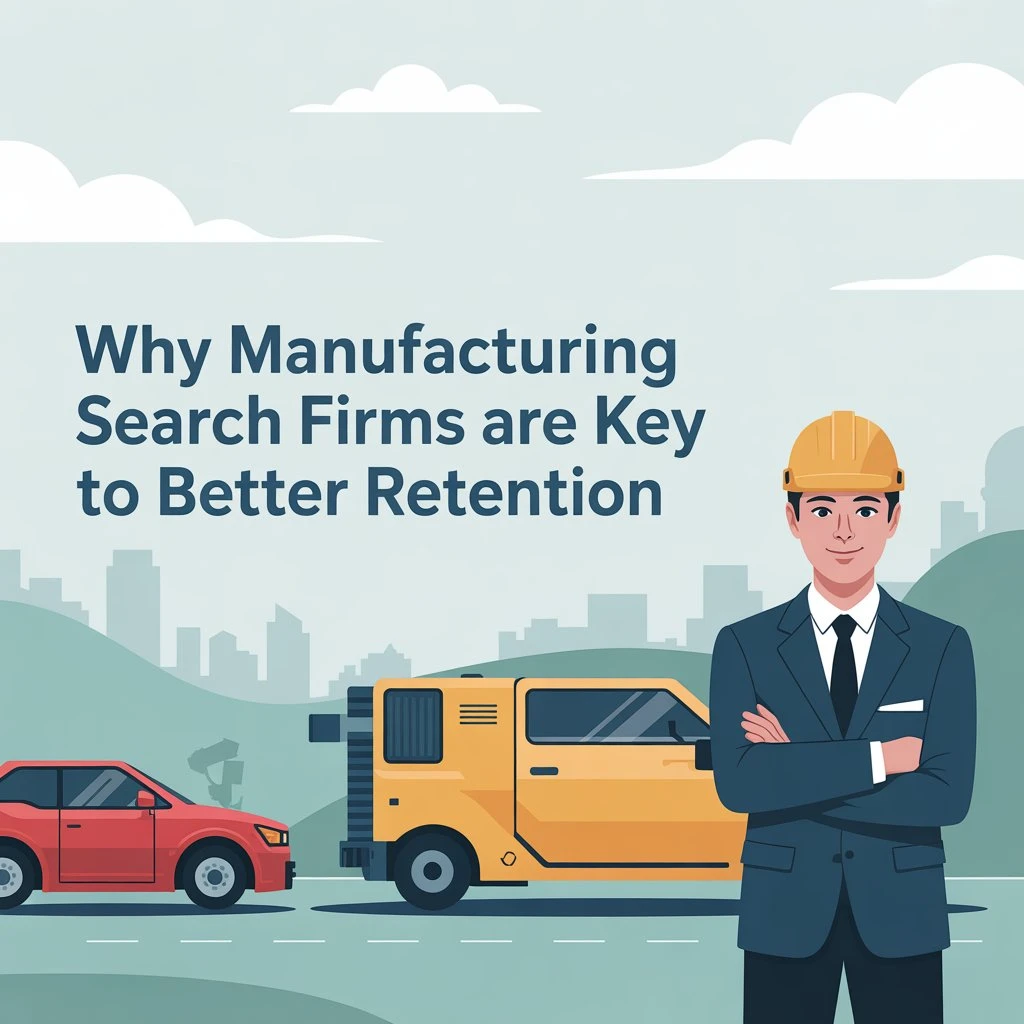
Why Manufacturing Search Firms Are Key to Better Retention

68dd58bc9f178.webp

Employee turnover is one of the biggest challenges facing the manufacturing industry today. Factories and plants spend months training managers or supervisors, only to see them leave for another opportunity. This not only costs money but also slows down production and impacts worker morale.

Finding and keeping the right leaders is not simple. Many HR teams struggle because leadership hiring requires specialized knowledge. That’s where a manufacturing executive search strategy comes into play. These firms are not just about filling roles quickly, they focus on placing leaders who are likely to stay and grow with the company.

In this article, we’ll explain why search firms are becoming essential for improving retention in manufacturing and how they make a real difference.

Understanding the Retention Challenge

Retention problems in manufacturing stem from multiple issues. Long hours, high-pressure production targets, and safety concerns create a tough work environment. Leaders who don’t fully understand these challenges often leave or fail to motivate their teams.

For HR teams, this means repeating the recruitment cycle again and again. Each failed hire costs more money and wastes valuable time. That’s why companies now look to an executive recruiter manufacturing specialist who can identify leaders with the right mix of technical knowledge, resilience, and people skills.

1. Placing Leaders Who Fit the Culture

One of the main reasons executives leave is a poor cultural fit. A leader may have impressive qualifications, but if they don’t align with how the company operates, they won’t last long.

Search firms take time to understand company culture before recommending candidates. They don’t just check skills—they look at personality, values, and leadership style. This extra step reduces turnover because leaders feel more comfortable and connected to the business.

2. Building Access to the Right Talent Pool

Traditional hiring often relies on job ads and online platforms. While this approach can attract applicants, it usually misses top talent. Many of the best leaders are not actively searching for new jobs.

Search firms maintain deep networks in the industry. They know which leaders are open to opportunities and which ones have a track record of long-term success. By tapping into this hidden pool, companies improve their chances of finding leaders who are committed to staying.

3. Reducing Hiring Mistakes

Every poor hire increases turnover. When a candidate is placed without proper vetting, they may leave within months. This forces the company to start the hiring cycle all over again.

Search firms invest in careful screening. They conduct detailed interviews, check references, and verify industry experience. With this method, companies are less likely to face repeated hiring mistakes and more likely to keep their executives for the long run.

4. Aligning Skills with Long-Term Goals

Manufacturing companies evolve. A plant focused on manual production today may adopt automation tomorrow. Leaders who lack adaptability often struggle in such environments.

manufacturing executive search firm looks beyond current needs. They identify candidates who can grow with the business. This forward-looking approach ensures that leaders remain valuable for years, reducing the likelihood of quick exits.

5. Improving Onboarding and Integration

Retention doesn’t depend only on hiring—it also depends on how well leaders are integrated into their new roles. Many executives leave within the first year because they fail to connect with teams or adapt to operations.

Recruiters often assist in the onboarding process. They prepare both the candidate and the company to make the transition smoother. When integration is successful, executives settle faster and are less likely to leave.

6. Supporting Internal HR Teams

HR teams are already stretched thin. They handle payroll, training, compliance, and day-to-day operations. Adding executive hiring on top of these duties can lead to rushed decisions.

By partnering with search firms, HR teams receive expert support. Recruiters handle the toughest parts of leadership hiring, allowing internal teams to focus on retention strategies such as employee engagement and training programs.

7. Identifying Leaders Who Value Stability

Not every executive is looking for stability—some move frequently to climb the corporate ladder. For manufacturing, however, stability is critical. Plants need leaders who commit to long-term success.

Recruiters evaluate career patterns to avoid candidates with frequent job changes. They prioritize leaders with a history of staying in roles, which directly improves retention.

8. Creating a Stronger Employer Brand

Retention also depends on how candidates view the company. If a company has a weak employer brand, leaders may join but quickly leave for more attractive opportunities.

Search firms help build and present a stronger brand image during recruitment. By showcasing growth opportunities, company values, and career stability, they attract leaders who are motivated to stay.

9. Reducing the Costs of Turnover

Turnover is expensive. Each time a leader leaves, companies spend on new recruitment, training, and onboarding. Productivity drops, and teams lose confidence.

By making better hiring decisions from the start, search firms reduce turnover costs. Leaders placed through this method are more likely to perform well and remain in their roles, saving the company both time and money.

10. Building Long-Term Partnerships

Finally, retention improves when a company works with recruiters over the long term. A trusted partner learns the company’s unique needs, challenges, and leadership requirements.

Over time, this partnership makes hiring more accurate and retention stronger. Instead of treating recruitment as a one-time task, businesses gain an ongoing ally in building a loyal and capable leadership team.

Final Thoughts

Manufacturing is an industry where leadership directly impacts production, safety, and profitability. High turnover in executive roles creates disruptions that ripple through the entire organization.

That’s why more companies are turning to specialized recruiters. Through strategies like cultural fit analysis, hidden talent access, and long-term planning, both an executive recruiter manufacturing professional, and a manufacturing executive search firm play vital roles in reducing turnover and improving retention.

By focusing on the right candidates and creating smoother transitions, these firms don’t just fill leadership roles—they help businesses keep those leaders for the long haul.null

Beat the Heat: How to Optimize Your Office for Summer

As temperatures rise, a comfortable and efficient office environment becomes essential. The summer months can bring productivity to a halt if your workspace isn’t prepared to handle the heat. From managing indoor temperatures to boosting employee morale, preparing your office for summer is about more than air conditioning—it’s about creating a cool, energized, and inviting space for everyone.

Here’s how to optimize your office for summer and keep things running smoothly even on the hottest days.

1. Optimize Airflow and Ventilation

The first step in preparing your office for summer is improving airflow. Proper ventilation helps prevent your office from becoming stuffy and overheated.

  • Check your HVAC system: Make sure your air conditioning units are professionally serviced before the summer heat sets in. Schedule regular maintenance—such as cleaning filters and inspecting vents—to ensure cool air flows efficiently throughout your office. For reliable service, consider contacting a trusted provider for AC repair in Bend, OR to keep your system running at peak performance.
  • Use fans wisely: Ceiling or portable fans can support air circulation, especially in areas that tend to trap heat. Position them strategically to promote cross-ventilation.
  • Encourage fresh air: If your office has operable windows, open them during the cooler parts of the day to let in a breeze and reduce reliance on AC.

2. Control Sunlight and Glare

While natural light can boost mood and reduce electricity use, too much sunlight can heat up the office and create screen glare.

  • Install blinds or shades: Consider thermal or blackout shades to block intense sunlight during peak hours.
  • Use window films: Reflective films can reduce heat gain from sun-facing windows without sacrificing brightness.
  • Rearrange workstations: Move desks away from direct sunlight to prevent discomfort and overheating for employees.

3. Switch to Summer-Friendly Décor

Simple changes in office décor can improve comfort and contribute to a cooler ambiance.

  • Choose lighter colors: Swap out dark rugs, cushions, or wall art for lighter tones to reflect rather than absorb heat.
  • Bring in plants: Houseplants like ferns, snake plants, or peace lilies improve air quality and add a refreshing feel to your space.
  • Declutter: A tidy space allows better airflow and prevents electronics and furniture from trapping heat.

4. Adjust Office Attire Policies

Strict dress codes can be stifling during summer. If appropriate for your workplace culture, consider updating your dress code.

  • Adopt a summer dress code: Allow breathable fabrics like cotton or linen, and relax policies on ties or jackets.
  • Promote comfort with professionalism: Encourage employees to dress smartly but seasonally, balancing comfort with professionalism.

5. Rethink Lighting and Electronics

Electronics and lighting are hidden heat sources. Reducing their use during summer can make your office cooler and more energy-efficient.

  • Switch to LED bulbs: LEDs generate far less heat than traditional incandescent bulbs.
  • Power down unused devices: Encourage employees to turn off monitors, printers, or other electronics when not in use.
  • Unplug chargers: Chargers and power adapters continue to emit heat even when not connected to devices.

6. Offer Refreshments and Hydration Stations

Staying hydrated is essential for comfort and productivity during the summer.

  • Set up water stations: Place coolers or filtered water dispensers around the office to promote regular hydration.
  • Offer summer treats: Provide refreshing snacks like fruit, popsicles, or iced tea during breaks to keep morale high.
  • Encourage hydration habits: Consider giving employees reusable water bottles or encouraging hydration through friendly challenges or signage.

7. Consider Flexible Work Hours

If your office tends to get hotter in the afternoon, flexible scheduling can help employees avoid peak heat.

  • Implement summer hours: Allow employees to come in earlier and leave before the hottest part of the day.
  • Offer remote options: If your business model allows it, encourage occasional work-from-home days during extreme heatwaves.
  • Stagger shifts: Spread out employee schedules to minimize overcrowding and ensure air conditioning remains effective.

8. Maintain a Positive Atmosphere

The summer slump is real—heat and fatigue can drain enthusiasm. Keeping morale up is key.

  • Organize summer-themed events: Host ice cream socials, casual Fridays, or small celebrations to make the season more enjoyable.
  • Celebrate wins: Recognize employee achievements with summer perks like half-day Fridays or outdoor lunches.
  • Listen to feedback: Ask employees what would make their summer work experience better and implement feasible ideas.

Final Thoughts

Preparing your office for summer doesn’t have to be a massive undertaking. With a few thoughtful adjustments, you can keep your space comfortable, energy-efficient, and enjoyable all season long. A well-prepared office not only beats the heat but also boosts productivity, morale, and overall employee satisfaction. So, take proactive steps now and make your office a cool place to work—literally and figuratively.

MSc in Project Management

A Master of Science (MSc) in Project Management is a specialized postgraduate degree that focuses on developing the knowledge and skills required to successfully manage projects in various industries. This program provides in-depth training in project planning, execution, monitoring, and control, enabling graduates to excel in project-based roles and advance their careers in project management.

Here are some details and benefits of pursuing an MSc in Project Management:

  1. Comprehensive Curriculum: The MSc in Project Management curriculum covers a wide range of topics relevant to project management, including project planning, risk management, resource allocation, budgeting, stakeholder management, quality assurance, and project evaluation. The program provides a holistic understanding of the project lifecycle and equips students with the essential tools and techniques needed to manage projects effectively.
  2. Specialized Knowledge: Through this program, students acquire specialized knowledge in project management methodologies, such as Agile, Waterfall, and Scrum. They gain expertise in using project management software and tools to facilitate project planning, scheduling, and collaboration. This knowledge equips graduates to tackle complex projects and adapt to the evolving demands of the industry.
  3. Practical Skills Development: MSc in Project Management programs often emphasize practical learning through case studies, simulations, and real-world projects. Students have the opportunity to apply theoretical concepts to practical scenarios, enhancing their problem-solving, decision-making, and leadership skills. This hands-on experience prepares graduates to handle the challenges and complexities inherent in project management roles.
  4. Professional Networking: Pursuing an MSc in Project Management allows students to connect with industry professionals, fellow students, and alumni, building a strong professional network. Networking opportunities often include guest lectures, industry events, and internships. These connections can lead to valuable career opportunities, mentorships, and collaborations, facilitating professional growth and development.
  5. Global Perspective: Many MSc in Project Management programs attract students from diverse cultural and professional backgrounds, fostering a global learning environment. This exposure to different perspectives and practices prepares graduates to work in multicultural teams and manage projects in international settings. It enhances their cross-cultural communication skills and adaptability, making them valuable assets in today’s globalized business environment.
  6. Career Advancement: An MSc in Project Management opens doors to a wide range of career opportunities in various industries, including construction, IT, healthcare, finance, and consulting. Graduates can pursue roles such as project manager, program manager, project analyst, or project coordinator. With the increasing demand for skilled project management professionals, obtaining an MSc in Project Management can enhance career prospects and increase earning potential.
  7. Professional Certification: Many MSc in Project Management programs align with industry-standard certifications such as Project Management Professional (PMP) or PRINCE2. These certifications are highly regarded in the project management field and can boost graduates’ credibility and employability. Pursuing an MSc in Project Management provides a strong foundation for obtaining such certifications and validates graduates’ expertise in the field.

Overall, an MSc in Project Management offers a comprehensive education in project management principles and practices, equipping graduates with the knowledge, skills, and credentials needed to excel in the field. It provides a pathway for career advancement, facilitates professional networking, and prepares individuals to tackle the complexities of managing projects effectively in today’s competitive business landscape.

The Future of Banking: Fintech or High-tech Finance?

Technology has changed almost every aspect of our lives, and finance is no exception. Tech giants are rolling out new solutions to improve customer service and simplify financial transactions. People have made a smooth transition from traditional to digital banking thanks to technology. We all use apps to manage our finances and have almost forgotten how it used to be. Even money has gone digital. Despite the similarities, fintech and techfin finance are different concepts.

So it is worth separating the concepts – FinTech and High-tech finance – and finding their differences and perspectives.

Financial technologies

The financial industry uses technology to provide high-quality services, increase financial profits and reduce costs. The most common example of fintech is the online banking applications offered by most banks. Fintech includes neo-banks popular in the US and Europe and well-known companies such as PayPal and Venmo. These services simplify the process of managing our money and are used by almost everyone.

Financial technologies in Glasgow car hire services

Fintech, like Al, adapts to automated customer service technology. To improve its services, fintech focuses on the following details:

  • Use of chatbots.
  • Artificial intelligence interfaces
  • Helping clients in performing basic tasks.
  • Reduction of personnel costs.

“Learning” apps learn about user habits that are often hidden from themselves and engage users in learning games to improve their automatic, unconscious spending and saving decisions.

If you are going to use Avis car hire at Glasgow Airport, you can pay for the service using online banking. This type of transfer is very comfortable, as you can choose the route and stop times yourself. You can independently select the model and class of the car, its capacity, type of gearbox.

To rent, you need to have the following:

  • Printed voucher.
  • International driver’s license.
  • Original national identity card.
  • An identity card with a photo.
  • Credit card.

High-tech finance

Techfin is rarely mentioned because the concept has only recently emerged. High-tech refers to a technology company that, along with its core technology-based products, additionally offers financial services. At the same time, the company works on improving financial products to make them as convenient as possible for the end user.

Google, Amazon, Apple, Facebook, and Uber are well-known examples of technology financing. These are well-known IT companies that at some stage decided to launch financial services. For example, Apple launched Apple Pay, which is the leader in the global trend of contactless payments.

Now that millions of people around the world use Apple’s payment system, this option is available on many sites and applications. Another example of technology is Facebook, which announced the launch of its digital currency, Libra. Currency can be used to pay for goods and services and is also useful for travelers as they do not need to exchange currency abroad.

Uber launched a new Uber Money service a few years ago. The service allows drivers and passengers to issue debit or credit cards. Such services help to track expenses for car hire possibilities or to get cashback on gasoline.

The future of banking

As you can see, the difference between fintech and tech companies is clear. The former seeks to improve the tools available to the financial sector, while the latter seeks to take full advantage of the latest technologies, creating alternatives to traditional financial services.

Advantages of fintech companies include:

  • Large databases.
  • Technological capabilities.
  • Flexibility and customer loyalty to the brand.
  • Allow competing with financial companies, including banks.

While tech giants are often eager to partner with banks, digital services need to be proactive. They develop and make efforts to increase customer loyalty.

The Science of Decision Making In Marketing Strategies

Marketing decision-making is a process that can often seem more art than science. But there is a science to it- and understanding the basic principles can help you make more effective marketing decisions.

Marketing decisions need to be based on data and analytics, but they also need to take into account the human element. After all, the purpose of marketing campaigns is to cater to the needs of a specific audience.

decision engine is essential to help companies sift through all the information and make the best decisions possible. It allows them to map out all the plausible scenarios and outcomes.

Photo by Engin Akyurt on Pexels.com

Using Technology to Aid Decision Making

Technology can help you overcome biases and make better decisions. One popular tool is the decision engine, which is a computer system that provides decision-makers with data-driven insights.

A decision engine is a software platform that analyses data and automates business decisions based on the company’s needs and specific criteria set out by the platform’s owner.

Automated decision engines also enable pricing that can be customised to the needs of the business. 

In marketing, a decision engine can also ‌make recommendations about which products or services to offer, what price to charge, and how to target specific customer segments.

Making Good Decisions

The best marketing decisions are based on a combination of data and intuition. Data can give you insights into what has worked in the past and what is currently working for your competitors. But you also need to use your intuition and creativity to come up with new ideas that will resonate with your target audience.

One of the biggest challenges in decision-making is overcoming biases. We all have cognitive biases that can distort our thinking and lead us to make critical decisions.

Some common biases include:

  • Confirmation bias (looking for information that supports your existing beliefs).
  • Sunk cost fallacy (investing more in something because you’ve already invested so much).
  • Loss aversion (giving more weight to the potential for losses than gains).

The best way to overcome biases is to be aware of them and attempt to counter them and a decision tree can help with this, as that can help identify outcomes of a potential decision and choose a route with the highest expected value.

Once a decision has been made, the organisation can then monitor its effects over time and assess whether it was correct one to make.

Analysing the Situation

There are three main types of decisions that marketers have to make: strategic, tactical, and operational.

  • Strategic decisions involve setting the overall direction of the company or brand.
  • Tactical decisions are about how to implement the strategy.
  • Operational decisions are about the day-to-day running of the business.

The first step in making any kind of decision is to analyse the situation. This means taking a step back and looking at the big picture. What are your goals? Who is your target audience? What resources do you have available?

Once you clearly understand the situation, you can ‌gather data. This can come from a variety of sources, including market research, customer surveys, financial reports, and data analytics.

Once you have all the relevant data, it’s time to decide. The best decisions are based on a combination of logic and intuition. Logic will help you identify the best course of action, while intuition will help you come up with creative solutions. 

Conclusion

Making effective marketing decisions is a combination of art and science. You need to use data and analytics to identify trends and patterns, but you also need to use your intuition and creativity to come up with new ideas.

The most successful marketing decisions are based on a clear understanding of the situation and a thorough analysis of all the available data. A decision tree can also be helpful in identifying the best course of action.

Revealed: The Existing State of Employee Onboarding Satisfaction in the UK and Ireland

Onboarding is a critical process for both employers and employees. It sets the tone for the new relationship and can make or break a successful transition into the company.

As a Cezanne HR onboarding report shows, there are some major trends that will shape the onboarding process in the next few years. The survey polled over 1,000 employees across the UK and Ireland to find out their thoughts and experiences of onboarding.

Photo by fauxels on Pexels.com

Here’s a look at some of the key findings from the report and what they mean for the future of onboarding:

1. Remote working is popular, but most employees still work in a physical office

Most employees work in a hybrid environment, with a mix of office-based and remote working. This could be since the traditional workplace is still popular, with 40.9% of people surveyed working in a shared workspace full time.

Despite the rise of remote working, only 15% of employees work from home full time. Many companies still don’t offer the option to work from home, or some employees feel they need the social interaction that comes with working in an office.

2. Face-to-face meetings are vital when building lasting engagement with new hires

Employees value the personal touch when it comes to onboarding. Meeting their manager and colleagues in person helps them feel more comfortable and part of the team. It also allows them to ask any questions they might have about the company or their role.

When asked about the best part of their onboarding experience, 42% of people said meeting their manager in person was the highlight. This was closely followed by a virtual meeting with 34.6% of employees, and the rest didn’t find any difference.

3. Onboarding should make employees feel part of the team before day one

Effective onboarding should be for every employee joining a business, and it should start as soon as a candidate accepts a job offer – not when they ‘walk through the door’ on their first day. This means having all the ‌paperwork and equipment ready for them and making sure they know where to go and who to ask for help.

The findings showed that nearly 21.5% didn’t know what to expect on their first day. This is ‌worrying for remote workers, who make up a growing percentage of the workforce.

4. A lack of communication can lead to a rocky start in a new job

Many new employees don’t receive any communication from their new line manager before starting their role, which can lead to confusion and a lack of clarity about what is expected from them.

The survey found that 22% of employees didn’t receive any information about their new role before starting work. HR should encourage managers to contact their new joiners to confirm their roles and duties and what their first week at work will look like. This will help them to fully prepare for their first day and get off to the best possible start.

5. Misleading job listings are a turnoff for potential candidates

Inaccurate job descriptions can lead to high staff turnover. In fact, over 17% said their current role if it wasn’t what they were expecting, which can lead to disengagement and a lack of motivation.

Recruiting managers must ensure job descriptions are accurate and realistic. This will help to attract suitable candidates for the role and reduce the risk of them leaving if they’re not happy with what they find when they start work.

6. New hires feel they’re missing out on crucial training

About 26% of new employees feel they’re not receiving enough training to help them settle into their roles. Organisations should ensure that all new employees receive adequate training as part of their onboarding process. This will help them feel more confident in their roles and better equipped to perform their duties.

Regular training and development opportunities will also help to keep employees engaged and motivated in their roles. Encouraging managers to provide performance feedback can also help ensure employees are aware of their development needs and know what they need to work on.

7. Poorly designed onboarding processes can lead to a high staff turnover

Organisations with inefficient or poorly designed onboarding processes risk losing new employees. Over 21% of respondents were concerned that they might leave their current roles because of the onboarding process.

The onboarding process is the first impression that a new employee has of their organisation, so it’s essential to get it right. Creating a positive and supportive environment from the start will help new employees feel valued and motivated in their roles.

Conclusion

Onboarding is a crucial part of the employee lifecycle, yet many organisations are not doing it effectively. The findings from this survey highlight some of the key areas that need to be addressed in order to improve the onboarding experience for new employees.

Organisations should ensure that they have a well-designed and implemented onboarding process in place to help new employees settle into their roles and feel supported in their development.

How To Do a Background Check on Someone Else

In this day and age, it’s more important than ever to know who you’re dealing with. Whether you’re researching a potential business partner or going on a date with someone you met online, it’s essential to do a background check to make sure they are who they say they are. Keep reading to learn how to do a background check on someone else.

Utilize a Free Background Check Service

When it comes to finding out more about someone, a free background check service can be a great way to go. There are many different websites that offer these services for free, and by using one of them, you can get a lot of information about the person in question.

One of the best things about using a free background search is that you can generally get a lot of information about a person remarkably quickly. Most of these services have large databases of information that they can search through, so you can usually find out a lot of information about a person in a relatively short amount of time.

Another benefit of free background check services is that they’re usually easy to use. Most of these websites have user-friendly interfaces, so you can easily find the information that you are looking for. Additionally, many of these websites offer helpful guides and tutorials that can teach you how to use their services effectively.

Finally, using a free background check service is a great way to save money. Most of these services are free to use, so you can get the information that you need without having to spend a lot of money.

How To Use a Free Background Check Service

There are numerous websites that offer free background checks. It’s vital to use a reputable website that has been verified and has a good reputation. To use a free background check website, you’ll need to provide some basic information about the person you’re checking. This typically includes name, date of birth, and state of residence. However, this information will vary from service to service.

The website will then search its database for records on the person. The results will include criminal records, driving records, and any other information that is available. It’s crucial to note that not all information will be available on every person. The free background check website will only have information that’s publicly available.

What To Do With the Information You Find

Once you’ve found the person you’re looking for on the free background check, you may be wondering what to do with that information. This all depends on why you were doing a background check. Were you looking into a potential date? Or maybe a business partner?

If you’re looking into a potential date, consider what you’ve found. If there are no red flags, you should be prepared for a successful first date. However, if you’ve found a criminal history, you may want to share the information with friends or family. They can help you make a decision about whether or not to continue seeing this person.

If you’re looking into a business partner, you’ll want to review the information and make sure it’s something you’re comfortable with. You may also want to share it with your lawyer to get their opinion.

Background Check the People You Need

Overall, doing a background check on someone else is important to make an informed decision about whether or not to trust them. By looking into a person’s criminal history, contact information, and other personal information, you can get a better idea of who they are and whether they may be a risk to you or your loved ones.

Ways To Learn More About Analytics

There are a lot of different ways that you can learn more about analytics. You can read books, attend seminars, or even take courses online. However, you don’t necessarily have to spend a lot of money in order to learn more about this topic. In fact, there are plenty of free resources that you can use to start learning some basics about analytics. Keep reading to learn about some of the best ways to learn more about analytics.

Understand the importance of analytics.

Analytics is the study of data and how it can be used to improve business operations. The goal of analytics is to use data to make better decisions that will lead to increased profits and improved efficiency. There are a number of different ways to learn more about analytics. In addition to enrolling in an online analytics program, there are books, articles, and even certification programs available in the field of analytics.

One of the best ways to become an analytics expert is to enroll in an online university program. The courses in these programs provide a broad overview of the topic and, to some extent, allow you to work at your own pace. They also tend to be affordable, which makes them a good option for those who want to learn more without making a significant investment.

If you are interested in pursuing a career in analytics, getting certain certifications can help you stand out from the competition. These certifications demonstrate your proficiency in the field and can help you land a job in a competitive market.

Regardless of how you choose to learn about analytics, it is important that you understand its relevance for businesses today. Analytics can help organizations make better decisions, increase profits, and improve efficiency.

Choose the right platform for dabbling in analytics.

When it comes to getting your feet wet with analytics, there are a variety of different platforms that you can use in order to get some experience. The first step is to decide what you want to learn and then find a platform that will fit those needs. There are many different types of software available, both commercial and open-source, which can be used for the mining of data, predictive modeling, visualization, etc.

Once you have decided on a platform, it is important to make sure that you have the right skillset in order to use it effectively. Many platforms come with built-in tutorials and support forums that can help you get started. You may also need to attend formal training courses or online webinars in order to gain the necessary skills. It is also important to keep up with new developments in the field so that you can continue to improve your skillset.

Collaborate with others in your field.

When it comes to learning about analytics, collaborating with others in your field can be a great way to gain knowledge. By talking to other professionals and exchanging ideas, you can learn new techniques and best practices that you may not have otherwise been exposed to. Additionally, networking with other analytics experts can help you build relationships that could potentially lead to future collaborations or even job opportunities. If you’re looking for ways to learn more about analytics, collaborating with others is definitely a tactic worth considering.

Network with professionals in the industry.

Networking with professionals in the industry is one of the best ways to learn more about analytics. By talking to people who are already working in the field, you can gain insight into what kinds of jobs are available, what skills are necessary for success, and what the day-to-day work is like. You can also find out which organizations are hiring analysts and learn about their hiring processes.

In addition, networking provides an opportunity to build relationships with other professionals in the industry. These relationships can be helpful when you’re looking for a job or trying to learn more about a particular topic. Professional networks can also help you stay up-to-date on news and developments in the field.

The importance of learning more about analytics cannot be understated. It is a powerful tool that can help organizations make better decisions, improve operations, and understand their customers better. By understanding and using analytics, organizations can maximize their potential and achieve success.