The influence of body geometry on the composition of visual-corrective tattooing

Roman Zao (Zakharchenko)
Artist, tattoo artist, researcher in visual culture
Judge of international tattoo conventions
Author of scholarly and research publications in tattoo art and body art
United States
EMAIL: Roman.Zao.ink@gmail.com  
ORCID: 0009-0003-5561-6339

 UDC 7.036:391.91

Publication Date: 14 January 2026
Keywords:
 visual-corrective tattooing, body geometry, composition, body art, anatomy, visual perception, spatial correction, practice-based research
In contemporary tattoo practice, the visual-corrective function of imagery has become increasingly significant. Within this context, tattooing is considered not only as a decorative or symbolic element, but also as a tool for visual transformation of bodily form. Compositional decisions in tattoo art can enhance, soften, or reinterpret the geometry of the human body, making bodily structure a key factor in artistic choice.

Body geometry comprises a set of proportions, directions, curvatures, rhythms, and visual accents shaped by the anatomical structure of a specific body. Visual perception of the human figure is based not on objective anatomical parameters, but on their optical interpretation. In this context, tattooing may function as a visual-corrective instrument, working with the perception of form, direction, and balance.

Visual-corrective tattooing involves a conscious approach to line, scale, compositional direction, and rhythmic structure. Artistic decisions are developed with consideration of the body’s vertical, horizontal, and diagonal axes, as well as zones of visual tension and relaxation. Composition may reinforce verticality, soften abrupt transitions of form, balance asymmetry, or deliberately accentuate particular bodily features.

Practice-based analysis demonstrates that line is one of the key instruments of visual correction. Vertically oriented elements visually elongate the form; diagonal lines introduce dynamics and a sense of movement; horizontal structures may stabilize composition, yet if applied incorrectly, they can visually weigh down the figure. Thus, the directional choice of line within tattoo composition directly affects the optical perception of body geometry.

Scale is another significant factor. Large-scale compositions enable redistribution of visual emphasis and the formation of a new bodily rhythm, whereas fragmented solutions operate locally, correcting specific areas. Visual-corrective tattooing cannot be universal in application; its effectiveness depends on precise alignment between composition and the individual bodily structure.

Equally important is the interaction between tattoo imagery and the body’s natural curves and curvature. Placement that ignores curvilinear surfaces results in proportional distortion and diminished visual coherence. Conversely, integrating composition into bodily curvature achieves organic fusion, in which the tattoo is perceived as a continuation of the body rather than an applied surface element.

To systematize visual-corrective factors and their influence on compositional decision-making, the following analytical table is presented.

Table 1. Body Geometry Influence on Visual-Corrective Tattoo Composition

Body geometry factorVisual perception issueCorrective compositional approachExpected visual effect
Vertical imbalanceCompressed silhouetteVertical line dominanceElongated body perception
AsymmetryVisual instabilityDirectional flow alignmentBalanced visual structure
Excess curvatureDistorted proportionsAdaptive curvature mappingHarmonized form perception
Volume concentrationVisual heavinessScale redistributionVisual lightness
Irregular surfaceFragmented perceptionModular compositionVisual coherence

For more precise analysis of visual-corrective tattooing, the following system of notational markers is applied within the study.

Notation system (used in analytical observation)
V-axis — dominant vertical orientation of composition
H-axis — dominant horizontal orientation
D-axis — diagonal compositional direction
C-curve — curvature alignment with body surface
S-scale — relative scale of tattoo composition
F-flow — directional visual flow of elements

This notation system allows for documentation and comparison of compositional solutions across different cases, revealing correlations between body geometry and the visual effect of tattooing.

Analysis of accumulated practical and research material indicates that visual-corrective tattooing constitutes a complex form of spatial design in which artistic decision-making extends beyond imagery itself. In this context, the tattoo artist functions not only as a creator of visual form, but also as an interpreter of bodily structure, working with perception and optical transformation.

Thus, the influence of body geometry on the composition of visual-corrective tattooing is systemic in nature. Conscious integration of anatomical and geometric factors enables tattooing to be understood as an instrument of visual body modeling situated at the intersection of art, anatomy, and visual culture. Further research in this field opens pathways for deeper understanding of tattoo art as a form of spatial and perceptual artistic expression.

References

DeMello, M. (2014). Inked: Tattoos and Body Art around the World. Santa Barbara: ABC-CLIO.
Featherstone, M. (2010). Body, image and affect in consumer culture. Body & Society, 16(1), 193–221.
Pitts-Taylor, V. (2016). The Brain’s Body: Neuroscience and Corporeal Politics. Durham: Duke University Press.
Sweetman, P. (2004). Anchoring the (postmodern) self? Body modification, fashion and identity. Body & Society, 10(2–3), 51–76.
Jones, C. A. (2011). Body Art/Performing the Subject. Minneapolis: University of Minnesota Press.
Sanders, C. R., & Vail, D. A. (2008). Customizing the Body: The Art and Culture of Tattooing. Philadelphia: Temple University Press.
Braidotti, R. (2013). The Posthuman. Cambridge: Polity Press.
Pitts, V. (2003). In the Flesh: The Cultural Politics of Body Modification. New York: Palgrave Macmillan.

The anatomy of the human body as a factor in artistic decision-making in tattoo art

Roman Zao (Zakharchenko)
Independent artist-researcher in visual culture and tattoo art
Master of Fine Arts (Graphic Design), Far Eastern Federal University
Judge of international tattoo conventions
Author of scholarly and research publications in tattoo art and visual culture
United States
EMAIL: Roman.Zao.ink@gmail.com 
ORCID: 0009-0003-5561-6339

UDC 7.036:391.91

Publication Date: 14 January 2026

Keywords: tattoo art, human anatomy, corporeality, visual culture, composition, body art, artistic decision-making, practice-based research

Tattoo art represents a distinct form of contemporary artistic practice in which the image is inseparable from the human body and cannot be examined outside its anatomical, spatial, and dynamic characteristics. Unlike traditional visual arts oriented toward a flat surface or a static volume, tattooing exists within the context of a living, constantly changing corporeal structure. This condition determines the central role of human anatomy in shaping artistic decision-making in tattoo art.

Contemporary research in body studies, visual studies, and body art emphasizes that the human body is not a neutral carrier of imagery. On the contrary, it functions as an active medium that influences composition, scale, rhythm, and the visual perception of an artistic image. Within the framework of this study, anatomy is considered a structuring factor of artistic decision-making rather than a secondary limitation of the creative process.

In tattoo art, the body constitutes a three-dimensional, dynamic form characterized by individual geometry, plasticity, and kinematics. Muscle masses, joint areas, natural curves, and transitional forms create a complex relief that inevitably interacts with the image. Artistic decision-making in tattooing emerges through a dialogue between the author’s concept and the anatomical features of a specific body. As a result, the same image transferred onto different bodies acquires distinct visual and semantic qualities.

Analysis of practical material and existing research demonstrates that neglecting anatomical factors leads to a loss of artistic integrity in tattoo imagery. Images created without regard for bodily geometry lose expressiveness in motion, deform with changes in body position, and enter into visual conflict with natural bodily lines. Conversely, integrating anatomical considerations into artistic decision-making enables the creation of images that maintain coherence and expressiveness both in static and dynamic states.

Of particular importance in tattoo art is work with areas of bodily mobility. Joints, shoulder and hip regions, and the spinal area require specific compositional approaches, as images in these zones are inevitably involved in movement. In such cases, artistic decisions are constructed with consideration not only of form but also of potential bodily kinetics. This brings tattoo art closer to principles of kinetic and performative art, in which movement constitutes an integral component of the artistic image.

Anatomy also directly affects the scale and rhythmic structure of composition. Large muscular surfaces allow for expanded forms and complex compositional structures, whereas anatomically complex areas demand more modular and fragmented solutions. In this context, the artistic thinking of the tattoo artist involves spatial modeling comparable to approaches used in sculpture and architecture.

For a clearer representation of the influence of anatomical factors on artistic decision-making in tattoo art, a comparative analytical overview is presented below.

Table 1. Influence of Human Anatomy on Artistic Decision-Making in Tattoo Art

Anatomical factorArtistic implicationCompositional strategyVisual outcome
Muscle volume and reliefDistortion or enhancement of formAlignment with muscle flowIncreased visual coherence
Joint mobilityImage deformation during movementDynamic or segmented compositionPreserved readability in motion
Body curvatureAltered perspectiveAdaptive scaling and curvature mappingNatural visual integration
Skin tension zonesLine instabilityControlled line directionStructural stability of image
Individual body proportionsScale imbalancePersonalized compositional layoutHarmonized body–image relationship

As the analysis demonstrates, artistic decision-making in tattoo art is formed through a complex consideration of anatomical factors. Body anatomy not only influences the technical execution of imagery but also becomes an active participant in the artistic process, shaping the visual logic and expressive capacity of the tattoo image.

Viewing anatomy as an artistic factor allows for a reconsideration of authorship in tattoo art. Artistic decisions do not arise from the transfer of a preexisting image onto the body but rather from the interaction between the author’s concept and the corporeal reality of a specific individual. In this sense, the body functions as a co-author of the artistic image, fundamentally distinguishing tattooing from most traditional forms of visual art.

Thus, human anatomy constitutes a foundational factor in artistic decision-making in tattoo art. Recognizing the body as an active artistic medium enables tattooing to be understood as a complex interdisciplinary practice situated at the intersection of art, anatomy, visual culture, and corporeality. Further investigation of this interaction is essential for a deeper understanding of tattoo art as a form of contemporary artistic expression.

References

Pitts, V. (2003). In the Flesh: The Cultural Politics of Body Modification. New York: Palgrave Macmillan.
Featherstone, M. (2010). Body, image and affect in consumer culture. Body & Society, 16(1), 193–221.
DeMello, M. (2014). Inked: Tattoos and Body Art around the World. Santa Barbara: ABC-CLIO.
Sanders, C. R., & Vail, D. A. (2008). Customizing the Body: The Art and Culture of Tattooing. Philadelphia: Temple University Press.
Sweetman, P. (2004). Anchoring the (postmodern) self? Body modification, fashion and identity. Body & Society, 10(2–3), 51–76.
Irwin, K. (2001/2003). Legitimating the first tattoo: Moral passage through informal interaction. Symbolic Interaction, 24(1), 49–73.
Jones, C. A. (2011). Body Art/Performing the Subject. Minneapolis: University of Minnesota Press.
MacCormack, P. (2008). The Anatomy of Disgust. New York: Continuum.
Braidotti, R. (2013). The Posthuman. Cambridge: Polity Press.
Pitts-Taylor, V. (2016). The Brain’s Body: Neuroscience and Corporeal Politics. Durham: Duke University Press.

When Rybelsus Fits Into Type 2 Diabetes Care: A Practical Guide

Oral options for type 2 diabetes are changing how people manage blood sugar. Rybelsus is one such option that works through a hormone pathway and supports day-to-day glucose control. This guide explains what to expect, how to use it well, and ways to reduce common challenges.

For context about formulation and dosing strengths, reviewRybelsus Semaglutide Pills to understand how the tablet is designed and taken on an empty stomach. The information below focuses on practical steps, symptom patterns, and safety considerations in everyday life.

How this oral GLP-1 option works in the body

This medicine acts like GLP-1, a gut hormone that helps regulate glucose. It signals the pancreas to release insulin when blood sugar rises and reduces excess sugar made by the liver. It also slows stomach emptying slightly, which may help with appetite and post-meal spikes.

Why this mechanism matters

People often notice steadier fasting levels and fewer late-day highs. Some experience reduced hunger, which can support gradual weight changes. Results vary, and benefits build over weeks as the body adjusts.

Who may consider it

Adults with type 2 diabetes who need better A1C control despite diet and exercise may be candidates. It is not for type 1 diabetes or diabetic ketoacidosis. A clinician will factor in kidney function, gastrointestinal history, and personal goals before prescribing.

Symptoms, goals, and everyday challenges

High blood sugar can cause thirst, frequent urination, fatigue, and blurry vision. Over time, chronic highs raise risks for heart, kidney, eye, and nerve complications. The aim is consistent, safe targets while maintaining energy and preventing lows.

Setting realistic targets

Tracking fasting and post-meal readings helps spot patterns. Many people start with small, achievable goals such as trimming a 20–30 mg/dL rise after meals. Discuss personal targets and A1C goals with your clinician, especially if you have other conditions.

Recognizing early signals of change

During the first weeks, you may see smoother mornings or fewer sugar spikes after larger meals. Appetite may shift, making smaller portions feel sufficient. Keep a simple log of meals, doses, and symptoms to guide adjustments.

Getting started safely: timing, dosing, and interactions

Oral GLP-1 therapy is sensitive to timing and stomach conditions. The tablet is typically taken on an empty stomach with a small amount of water, followed by a wait period before eating, drinking, or taking other medications. Consistency at the same time each day helps absorption and outcomes.

Baseline checks and medical history

Before starting, clinicians often review kidney function, gastrointestinal history, and risk factors such as pancreatitis. Share all medications and supplements, including over-the-counter products. Mention any prior gallbladder issues, thyroid concerns, or severe reflux.

Other medicines and low-sugar risk

On its own, a GLP-1 usually has a low risk of hypoglycemia (low blood sugar). However, when used with insulin or sulfonylureas, lows can occur. Know symptoms like shakiness, sweating, or confusion, and carry fast-acting carbs if your regimen includes a low-risk medicine paired with a higher-risk one.

Class context and options

These therapies are part of a broader group that target the GLP-1 pathway. For a general overview of the class, seeGLP-1 Agonists and discuss with your clinician how the oral form compares with injections for your needs.

Managing common side effects and staying consistent

Most side effects are gastrointestinal and tend to be mild to moderate. Nausea, fullness, burping, or softer stools are common during dose changes. They often improve within two to eight weeks as your body adapts.

Ways to reduce nausea and reflux

  • Eat smaller, more frequent meals instead of large portions.
  • Favor bland foods early on; limit very spicy or greasy meals.
  • Sip water slowly; avoid chugging liquids around meals.
  • Wait the recommended time after dosing before eating or drinking.
  • Reduce carbonated beverages if bloating is bothersome.

If symptoms persist

Track what triggers discomfort and share specifics with your clinician. Slowing the dose increase or pausing escalation can help. Seek urgent care for severe abdominal pain, persistent vomiting, signs of dehydration, or yellowing of the skin or eyes.

Protecting hydration and digestion

Because this class can slow stomach emptying, hydration matters. Aim for consistent fluids across the day, especially in hot weather or during exercise. Include fiber from vegetables, legumes, and whole grains to support regularity.

Nutrition, activity, and daily routines that reinforce progress

Medication works best when paired with simple habits. Consistent meals, movement, and sleep can sharpen your response and reduce swings. Small, repeatable steps often outperform drastic short-term changes.

Meal planning and portion balance

  • Build plates around non-starchy vegetables, lean proteins, and healthy fats.
  • Choose high-fiber carbohydrates like beans, oats, and berries.
  • Watch added sugars in drinks, sauces, and snacks.
  • Use a consistent breakfast, especially important with a morning tablet routine.

Movement that fits your life

Even short walks after meals can reduce post-meal spikes. Aim for regular aerobic activity and two sessions of resistance training weekly, as tolerated. If activity raises low-sugar concerns with other medicines, plan a small carb snack and test more often.

Sleep, stress, and alcohol

Short sleep and high stress can raise glucose. Create a bedtime routine and practice brief stress breaks during the day. If you drink alcohol, monitor sugars more closely and avoid drinking on an empty stomach. Using a non invasive blood glucose monitor can make tracking your glucose levels easier and more comfortable, allowing you to check trends without frequent finger pricks and adjust your lifestyle choices in real time. 

Monitoring progress and knowing when to adjust

Regular reviews help you and your clinician decide on dose changes. Many people see early shifts within four to eight weeks, with larger A1C changes over several months. Labs and home readings together give the clearest picture.

What to track weekly

  • Fasting glucose at least a few mornings per week.
  • One or two post-meal checks at varying meals.
  • Side effects, appetite changes, and hydration.
  • Body weight trends, if weight is a goal.

When readings are off target

Consider meal timing, missed doses, illness, or new medicines. Review tablet timing and the wait period to protect absorption. Bring your log to appointments so your clinician can tailor next steps.

Safety signals to discuss promptly

Contact a clinician for ongoing severe GI symptoms, signs of dehydration, or unexplained abdominal pain. Sudden worsening of glucose with illness warrants closer monitoring. If you become pregnant or plan to conceive, review your treatment plan.

Some people explore cross-border options for cost or access and consider Canadian pharmacies that ship to the United States. If comparing sources, confirm licensure and dispensing standards, and discuss any changes with your clinician beforehand.

Medical disclaimer: This content is for informational purposes only and is not a substitute for professional medical advice.

For site-wide education and resources on diabetes care, visitCanadianInsulin for general information and articles focused on condition management.

Ex UK/HMRC Tax Inspector – Amit Puri – Provides Statistics on Offshore / Worldwide Disclosure Facility & Indian Income

Pure Tax Investigations: HMRC Tax Investigation Specialists announced the release of their latest WDF article for AccountingWEB earlier this year, ‘Should HMRC ramp up offshore liability nudge letters?’ which was written by founder and managing director Amit Puri to provide up-to-date statistical information from HMRC on the Worldwide Disclosure Facility.

With 10+ years of direct experience at the UK tax authority – HM Revenue and Customs – and over 10 years in the private sector, Amit leverages his specialist tax disputes resolution expertise to analyse the facts and figures concerning HMRC’s “nudge-letters” as well as the non-disclosure related action taken. In India this problem is often referred to as offshore ‘black money’ and it has had its own disclosure facilities in the past.

What is the Worldwide Disclosure Facility (HMRC WDF)?

The Worldwide Disclosure Facility (HMRC WDF), which can be used to disclose a UK tax liability relating to an offshore issue, has now been running since September 2016.

It’s still running, providing individuals who have earned income or achieved gains overseas with a streamlined opportunity to bring their tax affairs up to date, by means of making a voluntary disclosure through an online portal. Provided a full and complete disclosure is made, there is no need to meet HMRC face-to-face or engage in numerous rounds of correspondence about the facts.

“Making such disclosures to HMRC can be uncomfortable, as one must recount what has been done (or not) and explain why. Experienced tax investigation and disclosure specialists will understand this part well and seek to provide peace of mind to their clients, while keeping abreast of WDF developments and HMRC’s practices” added Amit.

What do the HMRC WDF disclosure statistics show?

Let’s start by reviewing the number of WDF disclosures received by HMRC and the number of nudge letters, or one-to-many letters, as HMRC likes to call them nowadays, that were sent. The article has detailed figures, but some 53,000 WDF disclosures have been made (up to and including 2024/25).

From the WDF’s humble beginning in September 2016 where 88 disclosures were received (presumably in the calendar year), then ramping up in 2017, and then the most ever were received in 2018 and 2019 per year. This coincided with the Requirement to Correct (RTC) window. This was so that disclosures could still be based on the regular offshore penalties regime. After that window closed, all disclosures had to be based on the newer, much more aggressive Failure to Correct (FTC) offshore penalties regime — for tax years up to and including 2015/16.

… the average penalties per disclosure has remained quite flat. Averaging a little over £1,000 at their lowest, and up to about £2,500 for other years. We expected them to rise over time as more FTC penalties are involved.

WDF disclosure numbers remaining flat

It is safe to say the number of WDF disclosures received annually has remained quite flat too, which again is quite surprising. But, notably, the number of nudge letters sent out by HMRC has decreased in relative terms over the years, despite more offshore financial accounts data being available to HMRC and their supposedly advanced IT and innovative analysis tools.

So it doesn’t come as a surprise to see that the average taxes secured per disclosure have not increased over time. This is despite the newer extended 12-year tax assessing rule for offshore matters being introduced. One should expect there to be more tax years included in WDF disclosures over time, all other things being equal.

There seems to be no good reason for the average taxes recovered figures being much lower for 2021/22, and for it being much higher for 2022/23. These seem to be anomalies.

Fewer WDF disclosure nudge letters

Interestingly though, it could be that the significant reductions in the number of nudge letters sent in 2021 and 2022 have contributed to the lower yields from disclosures in 2021 onwards. We compared this to the higher tax revenues in earlier years when a lot more nudge letters were sent out.

It is clear that annual revenues from WDF disclosures have never recovered, and neither have the number of nudge letters sent out.

The article had detailed annual figures, but let’s note that in total some £815,654,804 had been raised in taxes, interest and penalties.

Some £665m was secured in taxes, through the WDF. When we include associated late payment interest and penalties thereon, the total revenues are c.£816m. This excludes the future benefit of voluntary compliance, where clients maintain their correct footing and file accurate tax returns as appropriate in the future.

Could HMRC do more to encourage more WDF disclosures?

Of course. There seem to be material issues with their handling of the offshore financial data and/or the quality of that data. It is plain to see the number of WDF disclosures made has remained painfully minuscule compared to the enormous volume of banking data received and available…

As an example, look at the number of disclosures received for 2018 and 2019 — a total of 16,589 — but consider the number of offshore accounts reported to HMRC in say 2017 or 2018 — around 3–4m. The data exponentially eclipsed the number of disclosures.

Also, in May 2022, HMRC reported that in 2019, UK residents had some £850bn in offshore financial accounts. Also, in their No Safe Havens 2019 report, they reported to have received some 5.67m records in 2018 alone pertaining to offshore bank accounts.

There seems to be a lack of ambition at HMRC, despite being armed with so much offshore banking data they could probably swim in it. So it should come as no surprise that we still strongly believe the number of WDF disclosures made has always directly been influenced by the number of nudge letters sent by HMRC.

*** CONTACT: Pure Tax Investigations, 63 St Mary Axe, London, EC3A 8AA, United Kingdom +44 203 7575 669 / pure-tax.com

How can we help with WDF disclosures?

If you or your client has been contacted by HMRC about non-UK / offshore income / Indian interest income and offshore bank accounts then we can help steer that worldwide disclosure facility process, to keep it on track and focused, to bring about a swift and commercial conclusion. We will fully review the underlying records to identify investment interest income, dividends, and gains on assets, so that we robustly prepare annual tax calculations. We are not in the business of procrastinating.

Importantly, we deliver that all-important trusted ‘buffer’ between our clients and HMRC during their in-depth and intrusive investigations and in all voluntary disclosures too.

From experience and speaking to other practitioners, we noted that HMRC has been writing to people with much smaller levels of income overseas and/or those who have not been in the UK for long. That too signals the end of any low-hanging fruit era. But the take-home message remains that, those who wait for HMRC to contact them lose the ability to make a wholly voluntary disclosure and are therefore unable to secure the minimum FTC penalties (100%). Unfortunately, prompted FTC penalties start at 150%.

It is still a good time to review a client’s overseas activities, accounts and wealth to ensure UK taxes on investment income and gains are correctly calculated, disclosed and paid. We encourage seeking out specialist tax disclosures advice where there is a lack of experience in making them and handling corresponding inquiries, to secure the very best possible outcomes for our clients, based on robust knowledge about tax assessment rules regarding time limits, the various offshore penalty regimes that apply, and double taxation relief quirks.

Founded by ex-senior Tax Inspector Amit Puri, who boasts over ten years of direct experience at HM Revenue and Customs, Pure Tax Investigations is a tax investigation specialists boutique firm, offering expert Tax Investigations and Disputes, Business Enquiries and Disclosures support. Along with wider HMRC specialist support to their clients and their existing advisers, as well as some tax restructuring, estate planning and other tax advisory services.

Pure Tax Investigations has become renowned for its pragmatic, client-centric approach, offering clear and bespoke tax advice tailored to each client’s unique tax concerns and business aspirations. Utilising a wide range of local and international accounting and tax knowledge, the HMRC tax investigation specialists provide peace of mind and certainty to clients by ensuring HMRC is effectively managed.

Amit Puri, Pure Tax Investigations: +44 20 3757 5669 / info@pure-tax.com

DIY versus hiring a pro for dry rot repairs

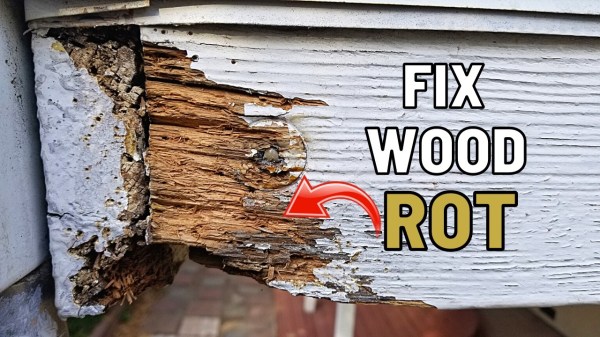
It’s never a good feeling to find a soft spot on your deck rail or notice paint peeling off your porch trim. For homeowners in Sacramento, dry rot is a common problem that often goes unnoticed until damage is done. If you want a clear overview, the Sierra Blog explains the basics well. Dry rot is a type of wood decay caused by fungi that grow where there’s moisture and poor airflow. It might seem minor at first, but dry rot can quickly weaken wood and turn a small issue into a real safety concern.

The science behind dry rot is straightforward. The fungus, known as Serpula lacrymans, needs moisture, oxygen, and wood to thrive. It sends out thin strands called hyphae that break down the wood’s structure. As a result, the wood crumbles, turns brittle, and changes color. Dry rot usually appears in dark, damp places such as under decks, behind trim, or inside porch posts. You might notice wood shrinking or cracking, paint bubbling or peeling for no clear reason, or even a musty smell. Sometimes, all it takes is a small leak for dry rot to take hold and spread fast.

Finding these warning signs early is important. Quick action can mean a simple repair. If you wait, you may face the cost and trouble of replacing large sections of wood. Dry rot is not something to ignore or put off. Acting fast can save you both time and money, and help avoid bigger structural problems later. Knowing what dry rot looks like is the first step before deciding whether to handle repairs yourself or hire a professional.

DIY Dry Rot Repair

Fixing dry rot on your own can be both rewarding and a bit risky. Some homeowners enjoy rolling up their sleeves, especially if they already have the right tools. Others might want to save money or time, especially for small jobs. Sometimes, a repair is simple enough to handle without outside help – if you know what you’re facing.

When DIY Is Enough

Here’s a quick story. Last spring, a friend in Citrus Heights found a soft spot on a stair tread leading to his deck. The damage was limited and he spotted it early, before it spread. With a little research and a simple repair kit, he cut out the bad wood, treated the area, patched it, and finished in just a few hours. He was back to grilling that evening. The main reason it worked? He caught the problem early and kept the repair small. For minor, easy-to-see patches like this, handling it yourself often makes sense.

DIY Checklist

Quick Tip: If you can see exactly where the rot stops, the damage is not deep, and the spot isn’t holding up a roof or deck, you can probably fix it yourself. If you have any doubts, reach out to a professional.

  • The rotten patch is smaller than a dinner plate
  • The wood is not part of a support beam or main structure
  • No mold, mushrooms, or deep crumbling wood are visible
  • You can reach and remove all of the damaged area

Here are the basic steps for a typical DIY dry rot repair:

  • Find and mark the rotten wood
  • Cut away all damaged material
  • Treat the area around the cut with a wood hardener or fungicide
  • Patch the hole with new wood or epoxy filler
  • Prime, paint, or seal the area to prevent future damage

These repairs don’t require special training, but you do need to work carefully. Gather a saw, chisel, dust mask, gloves, and take your time. Missing hidden rot or rushing the job could end up causing more trouble down the road. If you find the damage spreading, see signs of trouble near supports, or uncover anything unexpected, it’s safer to stop and contact a professional. The next section explains exactly when that’s the best move.

The Case for Hiring a Pro

Many homeowners feel confident grabbing a hammer to tackle dry rot repairs. Sometimes, a quick fix works. Other times, that small soft spot turns into a much bigger problem. Dry rot often hides beneath the surface, spreading quietly for years. What looks minor on the outside can mean major trouble deeper in the structure.

Dry rot doesn’t care where it starts. It can eat through support beams, posts, and joists. If you fix only what you see and miss the hidden damage, you risk bigger repairs down the line. I once met someone who replaced a few deck boards on their own. The next year, the main support beam gave out. Moisture had spread, and they ended up needing a full rebuild. If they had called a professional right away, they could have fixed just the problem area and saved a lot of money and hassle.

There’s another layer to think about: building codes and warranties. In many cities, repairs to structural parts – like beams, joists, or stairs – must meet local codes. If the work isn’t up to standard, you could run into trouble when selling your home. Professionals know the rules and make sure repairs pass inspection. Most also offer a guarantee on their work, giving you extra protection if issues come up later. That peace of mind matters.

Red Flags That Need an Expert

If you notice any of these warning signs, it’s best to call a professional:

  1. Dry rot shows up in support posts, beams, or joists (not just surface boards).
  2. The deck sags, shifts, or feels bouncy when you walk on it.
  3. Rot appears in hard-to-reach spots, like under stairs or behind siding.
  4. You’re unsure how far the damage goes, or the affected area keeps growing.
  5. The repair requires permits or inspections.

Trying to fix dry rot alone can easily turn a small repair into a major project. If you spot any of these red flags, or even just feel unsure, don’t risk it. A professional can find the real problem and fix it right the first time. Sometimes, the smartest choice is getting help from someone with the right experience.

Making the Right Choice

Choosing between fixing dry rot yourself or hiring a professional is often a balancing act. Think of it like spotting a stubborn stain on your shirt. You could try to fix it alone, but there’s always a risk of making things worse. The main things to consider are how much damage there is, your confidence with repairs, and how much risk you’re comfortable taking to save money.

If the dry rot is shallow, easy to reach, and you know your way around a chisel and some epoxy, trying it yourself can make sense. But if you see warning signs like crumbling wood, spreading soft spots, or anything from the earlier red flag list, it’s time to get help. Don’t ignore areas you can’t see or damage near stairs and railings. Safety comes first.

DIY repairs can save money and time, but only if the problem is small and you feel prepared. If anything feels off or the job seems bigger than you expected, reach out to a professional. Quick self-assessment helps: is this a simple patch or a bigger issue? When in doubt, ask for expert advice. The safest fix is the one that keeps your home strong and lets you spend your weekends doing things you actually enjoy. Listen to what the wood is telling you. If you aren’t sure, it’s always wiser to get help than to risk making the damage worse.

Call for Papers – 2026

📢 Call for Papers – 2026

International Journal of Research (IJR)

📧 Submit at: ijr@ijrjournal.com
🌐 Journal Website: https://www.ijrjournal.com

The International Journal of Research (IJR) invites original and high-quality research papers for publication in its 2026 issues. IJR is a peer-reviewed, open-access international journal committed to promoting multidisciplinary research and making scholarly knowledge accessible to researchers, academicians, professionals, and students across the globe.


🔍 About the Journal

The International Journal of Research (IJR) is a monthly, peer-reviewed academic journal that provides an inclusive platform for publishing original research articles, review papers, case studies, conceptual papers, and short communications. The journal follows a double-blind peer review process to ensure academic rigor, originality, and quality.

IJR strongly supports open-access publishing, allowing published articles to be freely accessible worldwide without subscription barriers.


📚 Scope of the Journal

IJR is multidisciplinary in nature and welcomes submissions from a wide range of academic and professional fields, including but not limited to:

  • Engineering and Technology
  • Architecture and Planning
  • Computer Science and Information Technology
  • Management and Commerce
  • Social Sciences and Humanities
  • Education and Psychology
  • Environmental Studies and Sustainability
  • Life Sciences and Agriculture
  • Health Sciences and Public Policy
  • Economics, Finance, and Development Studies

Interdisciplinary and applied research papers are highly encouraged.


✍️ Types of Papers Accepted

  • Original Research Articles
  • Review Papers
  • Case Studies
  • Conceptual and Theoretical Papers
  • Short Research Communications

All submissions must be original, unpublished, and not under consideration elsewhere.


💰 Publication Fee (APC)

To support affordable and inclusive academic publishing:

Open Access Publication Fee: Only USD 10
✅ No submission fee
✅ No hidden charges

This minimal APC makes IJR one of the most affordable peer-reviewed open-access journals, especially beneficial for students, early-career researchers, and scholars from developing countries.


🧪 Peer Review & Ethics

  • Double-blind peer review
  • Plagiarism check before acceptance
  • Ethical publishing standards followed strictly
  • Constructive reviewer feedback provided

IJR aims for a fast yet rigorous review process without compromising publication quality.


📅 Important Dates

  • Submission Open: Ongoing (for 2026 issues)
  • Review Time: Short and efficient
  • Publication: Monthly issues throughout 2026

Early submissions are encouraged for priority review and publication.


📤 How to Submit

Authors are requested to send their manuscripts via email:

📧 ijr@ijrjournal.com

Include:

  • Manuscript (MS Word format)
  • Author details and affiliations
  • Declaration of originality

Detailed author guidelines are available on the journal website:
🌐 https://www.ijrjournal.com


🌍 Why Publish with IJR?

✔ Peer-reviewed international journal
✔ Open access for global visibility
✔ Very low APC (USD 10 only)
✔ Monthly publication
✔ Multidisciplinary scope
✔ DOI assignment and proper indexing process
✔ Supportive editorial team


📌 Submit your research and be part of the 2026 scholarly community of IJR.

For queries, feel free to contact: ijr@ijrjournal.com

We look forward to your valuable contributions!