The role of Mass Media in Rural Development: A case study in District Rajanpur

Muhammad Samar, Hassan Ali & Muhammad Waqas

Department of Rural Sociology, Faculty of Social Sciences, University of Agriculture, Faisalabad-38040, Pakistan.

Abstract

Mass media refers to communication devices, which can be used to communicate and interact with a large number of audiences in different languages. In the current situation, the role of mass media is very import to upgrade the rural society. It can stimulate the rural people towards progress. The mass media have been used at once for transmission of development communications to the people of this society as in others. The aim of the present study is explore the role of mass media in rural development in District Rajanpur. This study was conducted in two tehsils of District Rajanpur (Tehsil Rajanpur and Tehsil Jampur). After choosing the Tehsils, four union councils, two from each tehsil (UC-21 and UC-22 from Tehsil Rajanpur and UC-1 and UC-2 from Tehsil Jampur) were selected through random sampling method. At the end a proportional sample 120 respondents were selected randomly and interviewed by using a well-designed interview schedule. The collected data were analyzed by using SPSS software. Descriptive and inferential statistical techniques were used for data analysis. It was found a huge majority (81.7%) of the respondents were watching TV without cable connection, whereas more than a half (55.0%) of the respondents had cable connection.  A substantial proportion (58.3%) of the respondents had perception ‘to a great extent’ that the mass media presents the awareness program about rural development. A huge majority (70.0%) of the respondents had thinking ‘to a great extent’ that the mass media presents the political awareness program. Majority of them were also agreed that mass media presents the information about the government/NGOs policies regarding rural development. More than a half i.e. 57.5 percent of the respondents had opinion ‘to a great extent’ and 25.0 percent of them had opinion ‘to some extent’ that the mass media presents the educational policies of the government for rural areas. The Government should take steps to raise literacy rate in the rural area.

 Introduction

The mass media included several media technologies that are envisioned to influence large viewers. Broadcast media (also called as electronic media) communicate the facts electronically and include television, radio, movies, and certain other media like cameras and video raise. Alternatively, print media use a fleshly item for sending their facts, such as a newspaper, magazines, brochures, newsletters, books, leaflets and pamphlets (Potter, 2008).

Internet media is capable to attain mass media rank in its personal right. The many services such as email, websites, blogging, Internet television are provided by this mass media. In this way, numerous mass media openings have a being there on the web. TV ads is also type of mass media that links to a website. The internet mass media introduce such programs which are helpful in several way of life of the people. The Internet has enough information which can simply be broadcast to several different areas of the worldwide instantaneously. Out-of-doors media is a usage of mass media that includes ads, symbols, posters internally or externally sited for marketable buildings and items like factories and workshops, airborne posters, airships, and skywriting. Community language and incident establishing can also be measured with the help of mass media (Manohar, 2011).

The development journalist is one who is industrious enough to look beyond the polished news releases and briefings put out by well endowed foreign organizations, and curious enough to find local sources of expertise. Such a journalist must be brave enough to present home-grown solutions to pressing development problems. Development journalists travel to remote areas to report on happenings there. This type of journalism acts as a tool for social justice, speaking for the voiceless, looking at the strengths and weaknesses of a country and in so doing identifying ways in which the nation can be helped (Fleury, 2008).

This stratification of distribution occurs not only between urban and rural areas, as much pervious evidence attests, but more important the areas themselves, television is the mass media with the greatest diet bias in most developing countries and radio is the most generally available however , even radio is quite the social strata. The majority of rural people in underdeveloped countries are found to live in a state of “under communication.” A great inequalities still hundred the potential use of mass media in availability in rural areas mirrors the unequal distribution of other resources. Even where mass media is widely available in serious reservation remains concerning the contribution of the information to a more equitable rural development (Pisal, 2014).

It also noted that only 51% of females over age 15 in Africa are able to read and write compared to 67% of males. This situation informed the assertion that women’s entrepreneurship represents an untapped reservoir for job creation, economic growth and social cohesion (Nwoye, 2007).

Some say mass media is opiate of masses and others say it is a vital aspect of human society. As we know we are living in a globalised knowledge world we have to change ourselves to cope up with this changing world. Sometimes mass media is criticized on ethical ground. Sometimes media publishes distorted news which creates imbalance in the society. It is the responsibility of the media persons to go deep into the matter before publication. They should publish real, judicious, true facts rather than polarized stories. It should be free from any bias. It should try to develop four types of citizenship political, economic, social and cultural citizenship (Pradipta, 2012).

Media is undoubtedly very fast, vast and powerful mode of communication. Nor does it only appeal a vast audience it has got a tremendous impact on the political run of a country and culture of a society. Films, TV shows, Journalism (newspapers and news channels) all come under short yet large “Media”. By “Ethics and Media” we generally discuss the ethics in journalism which influences the mindset of people and moulds the society. Starting from weather forecast to “what will be your future ?” It tells you anything and everything. With such an impact any misconduct or irresponsible act can not only affect but shake the very base on which we have laid out so much comfortable lives (Anwesha Mohanty, 2012).

Mass communication is any message sent by a person or a group of people through a medium to a large audience, and mass media is any medium used to transmit mass information. Until recently mass media comprised the eight mass media industries: books, newspapers, magazines, recordings, radio, movies, television, and the Internet, however, digital technology has expanded the scope of the term mass media (Lane, 2007).


OBJECTIVES

The main objective of the study is to identify the perception of people regarding mass media (electronic and print) and evaluate that which media (electronic and print) is more effective for rural development.


MATERIALS AND METHODS

Sample Size:

Sample can be defined as accurate envoy of the population, which has all the characteristics of preferred population. Tehsil Rajanpur and Jampur were selected from three tehsils of Distt. Rajanpur randomly. Four union councils, two from each tehsil (UC-21 and UC-22 from Tehsil Rajanpur and UC-1 and UC-2 from Tehsil Jampur) were selected through random sampling method, than four villages from each UC were selected randomly. 120 respondents were selected randomly from the study area.

Data collection:

Construction of data collection tool

Social science deals with human nature, Feelings, emotions and minds of human being. To study all these factors it was compulsory that data collection tool was very accurate and reliable. Interview schedule was prepared with open and close ended questions to collect the data from respondents. It was structured to get all the required information from the respondents.

Interviewing the respondents:

Interview was conducted from respondents to collect facts.  The investigator himself interviewed each respondent to make sure unbiased response and then rechecked each questionnaire for accuracy and uniformity because it was very difficult to approach the same respondent at any subsequent stage.

Analyzing of data:

Collected data was analyzed using the Statistical Package for Social Sciences. Descriptive statistics, including frequencies, percentages, means and standard deviations, were used to summarize different variables. Data was interpreted with the help of a computer software i.e. statistical package for social sciences.


Results and discussion


Table 1 here

Distribution of the respondents according to their interest in available mass media


N = 120

Items of mass media To a great extent To some extent Not at all NA
F. % F. % F. % F. %
TV 65 54.2 17 14.2 16 13.3 22 18.3
TV Cable connection 40 33.3 17 14.2 9 7.5 54 45.0
Radio 5 4.2 6 5.0 5 4.2 104 86.7
Internet 7 5.8 2 1.7 6 5.0 105 87.5
Newspaper 8 6.7 7 5.8 3 2.5 102 85.0
Magazine 14 11.7 3 2.5 4 3.3 99 82.5

Table 1 reveals that more than a half i.e. 54.2 percent of the respondents had interest in TV ‘to a great extent’ and 14.2 percent of them had interest ‘to some extent’ in TV, whereas 13.3 percent of them had no interest in TV.

About one-third i.e. 33.3 percent of the respondents had interest in TV with cable connection ‘to a great extent’ and 14.2 percent of them had interest ‘to some extent’, whereas 7.5 percent of them had no interest in TV with cable connection.

Only 4.2 percent of the respondents had interest in radio ‘to a great extent’ and 5.0 percent of them had interest ‘to some extent’ in radio, whereas 4.2 percent of them had no interest in radio.

Only 5.8 percent of the respondents had interest in internet ‘to a great extent’ and 1.7 percent of them had interest in internet ‘to some extent’, whereas 5.0 percent of them had no interest in Internet.

About 6.7 percent of the respondents had interest ‘to a great extent’ in newspaper and 5.8 percent of them had interest in newspaper ‘to some extent’, whereas 2.5 percent of them had no interest in newspaper.

About 11.7 percent of the respondents had interest ‘to a great extent’ in magazine and 2.5 percent of them had interest in magazine ‘to some extent’, whereas 3.3 percent of them had no interest in newspaper.


Table 2 here

Distribution of the respondents according to their purpose of using these digital items

Purpose To a great extent To some extent Not at all Total
F. % F. % F. % F. %
For entertainment i.e. drama, film, song etc. 109 90.8 6 5.0 5 4.2 120 100.0
For information 24 20.0 82 68.3 14 11.7 120 100.0
For education 13 10.8 62 51.7 45 37.5 120 100.0
For enjoyment e.g. playing games, SMS, facebook, etc. 7 5.8 2 1.7 111 92.5 120 100.0
Just time passing 40 33.3 24 20.0 56 46.7 120 100.0

Table 2 reveals that a huge majority i.e. 90.8 percent of the respondents used mass media ‘to a great extent’ for entertainment purpose i.e. drama, film, song etc, whereas 5.0 percent of them used mass media ‘to some extent’ for entertainment purpose, whereas 4.2 percent of them never used mass media for entertainment purpose.

About one-fifth i.e. 20.0 percent of the respondents used mass media ‘to a great extent’ for information purpose, whereas a majority i.e. 68.3 percent of them used mass media ‘to some extent’ for information purpose, whereas 11.7 percent of them never used mass media for information purpose.

Almost 11 percent of the respondents used mass media ‘to a great extent’ for education purpose, whereas about a half i.e. 51.7 percent of them used mass media ‘to some extent’ for education purpose, whereas 37.5 percent of them never used mass media for education purpose.

Only 5.8 percent of the respondents used mass media ‘to a great extent’ for enjoyment e.g. playing games, SMS, facebook, etc., whereas about 1.7 percent of them used mass media ‘to some extent’ for enjoyment e.g. playing games, SMS, facebook, etc., whereas 92.5 percent of them never used mass media for enjoyment purpose.

About one-third i.e. 33.3 percent of the respondents used mass media ‘to a great extent’ for just time passing, whereas 20.0 percent of them used mass media ‘to some extent’ for time passing, whereas 46.7 percent of them never used mass media for just time passing.


Table 3 here


Distribution of the respondents according to their thinking about the possible uses of print media in development

Possible uses of print media in development Yes No Total
F. % F. % F. %
To inform 65 54.2 55 45.8 120 100.0
To initiate dialogue and inspire confidence 54 45.0 66 55.0 120 100.0
To seek for consensus 57 47.5 63 52.5 120 100.0
Special pleading 60 50.0 60 50.0 120 100.0
Bring about social mobilization 67 55.8 53 44.2 120 100.0
To render account 45 37.5 75 62.5 120 100.0
Any other 24 20.0 96 80.0 120 100.0

Table 3 presents the possible uses of print media in development. More than a half i.e. 54.2 percent of the respondents reported that the media inform them for development, while 45.0 percent of them told that print media is a source to initiate dialogue and inspire confidence, 47.5 percent of them mentioned that the print media is a source to seek for consensus. About a half i.e. 50.0 percent of the respondents told that the print media s a special pleading, 55.8 percent of them said that the print media is a bring about social mobilization, 37.5  percent of them mentioned that the print media is to render account and 20.0 percent of the respondents reported that the print media presents the any others aspects of development.


Table 4 here


Distribution of the respondents according to their perception about the role of mass media in rural development


N = 120

Role of mass media in rural development To a great extent To some extent Not at all Total
F. % F. % F. % F. %
Do you think that the mass media present the awareness about rural development 70 58.3 33 27.5 17 14.2 120 100.0
Mass media presents the political awareness 84 70.0 27 22.5 9 7.5 120 100.0
Mass media presents the real pictures of our villages 45 37.5 48 40.0 27 22.5 120 100.0
Mass media presents the information about the government/ NGOs policies regarding rural development 57 47.5 42 35.0 21 17.5 120 100.0
Mass media presents the information about the development budget for rural areas 50 41.7 27 22.5 43 35.8 120 100.0
Mass media presents the educational policies of the government for rural areas 69 57.5 30 25.0 21 17.5 120 100.0
Media presents the role of political leaders in rural development 74 61.7 18 15.0 28 23.3 120 100.0
Media demonstrated the model villages 17 14.2 43 35.8 60 50.0 120 100.0
Do you think that the print media work well with participatory approaches? 37 30.8 42 35.0 41 34.2 120 100.0
Do you think that the mass media provide information related to health 68 56.7 33 27.5 19 15.8 120 100.0

Table 4 presents the role of mass media in rural development. A substantial proportion i.e. 58.3 percent of the respondents had perception ‘to a great extent’ and 27.5 percent of them had opinion ‘to some extent’ that the mass media presents the awareness program about rural development, while 14.2 percent of them never agreed with this perception.

A huge majority i.e. 70.0 percent of the respondents had thinking ‘to a great extent’ and 22.5 percent of them had thinking ‘to some extent’ that the mass media presents the political awareness program, while 7.5 percent of them never agreed with this opinion.

More than one-third i.e. 37.5 percent of the respondents had perception ‘to a great extent’ and 40.0 percent of them had thinking ‘to some extent’ that the mass media presents the real pictures of our villages, while 22.5 percent of them never agreed with this opinion.

A major proportion i.e. 47.5 percent of the respondents had perception ‘to a great extent’ and 35.0 percent of them had perception ‘to some extent’ that the mass media presents the information about the government/NGOs policies regarding rural development, while 17.5 percent of them never agreed with this opinion.

A major proportion i.e. 41.7 percent of the respondents had perception ‘to a great extent’ and 22.5 percent of them had perception ‘to some extent’ that the mass media presents the information about the development budget for rural areas, while 35.8 percent of them never agreed with this opinion.

More than a half i.e. 57.5 percent of the respondents had opinion ‘to a great extent’ and 25.0 percent of them had opinion ‘to some extent’ that the mass media presents the educational policies of the government for rural areas, while 17.5 percent of them never agreed with this opinion.

A majority i.e. 61.7 percent of the respondents had opinion ‘to a great extent’ and 15.0 percent of them had opinion ‘to some extent’ that media presents the role of political leaders in rural development, while 23.3 percent of them never agreed with this opinion.

About 14.2 percent of the respondents had opinion ‘to a great extent’ and 35.8 percent of them had opinion ‘to some extent’ that media demonstrated the model villages, while 50.0 percent of them never agreed with this opinion.

Less than one-third i.e. 30.8 percent of the respondents had thinking ‘to a great extent’ and 35.0 percent of them had thinking ‘to some extent’ that the print media working well with participatory approaches, while 34.2 percent of them never agreed with this opinion.

A majority i.e. 56.7 percent of the respondents had thinking ‘to a great extent’ and 27.5 percent of them had thinking ‘to some extent’ that the mass media provided information related to health, while 15.8 percent of them never agreed with this opinion.


Table 5 here


Distribution of the respondents according to their thinking about the extent of mass media effects on their political perception about the country and around the world


Respondents’ thinking about the extent of mass media effects on their political perception about the country and around the world Frequency Percentage
To a great extent 74 61.7
To some extent 18 15.0
Not at all 28 23.3
Total 120 100.0

Table 5 presentS that a majority i.e. 61.7 percent of the respondents had thinking ‘to a great extent’ and 15.0 percent of them had thinking ‘to some extent’ about the mass media effects on their political perception about the country and around the world.  Whereas 23.3 percent of them were never agreed with this opinion.


Conclusions

Based upon the results of the present study, some conclusions are given as the findings of the present study may not be considered as conclusive as the study was not based on a truly representative sample of rural population of district Rajanpur. It is, therefore suggested that more studies on higher level may be undertaken to draw generalizations about impact of mass media on the rural development. The Government should take steps to raise literacy rate in the rural area. A micro-credit program should be of immense importance in boosting the adoption of new agricultural technology for poverty reduction in the selected area. Government should arrange health awareness programme at village level. Government should promote the infrastructure and educational facilities in the rural areas. Mass media should be presented the actual picture of our villages and their needs.


References

Anwesha Mohanty, 2012, Mass Media and Rural Development,  D-7/F – Rail Vihar, Chandrasekharpur, Bhubaneswar-23.

Fleury, J. (2008). Development journalism or just good journalism, http://www.bbc.co.uk/worldservice/trust/. (Viewed 12 – 6 – 09).


Lane, B. (2007). What is mass media? The changing role of mass communications and the media industries. Retrieved May 15, 2008, from http://medialiteracy.suite101.com/article.cfm/what_is_mass_media_#ixzz0FebD3HI9&A.

Manohar, U.2011. “Different types of mass media”. Buzzle.com. Retrieved November 26.

Nwoye, M. (2007, November). Gender responsive entrepreneurial economy of Nigeria: Enabling women in a disabling environment. Journal of International Women’s Studies, 9 (1), 167 – 175. Retrieved May 15, 2008, from http://www.bridgew.edu/soas/jiws/Nov07/MayNwoye.pdf

Pisal Anita Sambhaji, 2014, Impact of the Media in Rural Development, Assistant Professor, Bharati Vidyapeeth University, Social Science Centre, Pune, India, International Journal of Management and Commerce Innovations ISSN 2348-7585 (Online) Vol. 2, Issue 2, pp: (339-340), Month: October 2014 – March 2015, Available at: http://www.researchpublish.com.

Potter, W.J.  2008. Arguing for a general framework for mass media scholarship.SAGE.p.32. ISBN 978-1-4129-6471-5

Pradipta Ku. Biswal, 2012, Mass Media and Rural Development, Pradipta Kumar Biswal, Lecturer, R.S. Mahavidyalaya, Odagaon, Dist- Nayagarh.


THE BANE OF SELLING GENERAL INSURANCE IN NIGERIA

 CHUKWUDEH Stephen Okechukwu

 Postgraduate Students, Department of Sociology, Faculty of the Social Sciences, University of Ibadan, Ibadan, Nigeria.

ABSTRACT

Background:  Insurance industry is the back bone of a country’s risk management system. Yet only few people purchase genuine insurance policies in Nigeria.  In Nigeria, most motorists do not purchase genuine insurance policy, thus endangering the lives of other road users. Despite frequent fire disasters in several markets in the country, small scale entrepreneurs are not aware of the importance of genuine insurance policies in Nigeria. Objective: the study investigates the challenges of selling genuine insurance policies in Nigeria. The study shall also design measures that can improve the sales of general insurance in Nigeria. Material and methods: this study was conducted in Nigeria. Trust theory and social system theory served as the basis of its theoretical underpinning for this study. Newspapers, journals, field observation and literature were reviewed. Result: delay in payment of genuine claims by insurance companies, numerous clauses on insurance policies, ridiculous cutting of rate by insurance companies, poor awareness of the importance of purchasing genuine insurance, and accessibility of insurance companies by rural dwellers are among the challenges of selling genuine insurance in Nigeria. Conclusion: insurance companies should employ grassroots marketing to enlighten the public on the importance of purchasing genuine insurance policies in Nigeria. Micro insurance products should be introduced, Insurance policies should be a requirement for bank transactions, enrolment of students in school and the federal government of Nigeria should enforce the purchase of genuine insurance by motorists in Nigeria.

Key words: Insurance, Selling, Small scale entrepreneurs, Risk, Motorists.

 INTRODUCTION

Insurance industry is the backbone of a country`s risk management system, since it ensures financial security, serves as an important component in the financial intermediation chain, and offers a ready source of long term capital for infrastructural projects (Ujunwa, 2011). Yet, insurance has remained one of the least purchased items in the Nigeria financial market and records revealed that only about 10% of Nigerian population has insurance of any sort (Ebitu, et al, 2012; Wilson, 2004). This low patronage of insurance products has become a problem not only to the insurance industry, but has also affected economic development (Ibok, 2006), and growth of small and medium scale industries in Nigeria.

            Insurance is a major financial intermediary and a key source of long term capital which encourages growth in the capital market (Catalanetal, 2000; Impavido and Musalem, 2000). Globally, the insurance industry has witnessed a significant growth as reflected in the number of policies done each year (Beck and Webb, 2003). In Nigeria, insurance serves as a catalyst which mitigates the volume of risk associated with loans and transactions in the financial industry. This implies that, insurance is meant to indemnify a client who uses his/her property as collateral for collecting loan from a financial institution. This gives the financial institution confidence to give out loan to small scale traders. Insurance is, therefore, in tune to promote the growth of small and large scale industry as it provides stability by allowing large and small businesses to operate with minimal risk of failure.

            The contribution of the insurance industry to Nigeria`s Gross Domestic Product (GDP) rose by 40% between 2010 to 2012; going up from 0.5% in 2010 to 0.7% in 2012. The number of insurance policies also grew from 0.5million in 2010 to 1.5million by 2011 (Fintell. 2016).In spite of this growth, when compared with other advanced economies in the world, there is still room for growth in the Nigerian insurance market considering Nigeria population size. According to Oshinloye et al, (2009) in Elundu, (2013), the importance of insurance in any nation`s economy cannot be undermined as no country can experience any meaningful development without the presence of formidable insurance industry. This makes Nigeria insurance industry indispensable irrespective of its quota to the Gross Domestic Product (GDP).

            In the view of Ezirim and Maoghalu (2002), the insurance industry is a tool for economic growth and development. It is vital to the wellbeing of and smooth functioning of a modern economy. In addition, Oba (2003) opined that insurance is a major indices for measuring the level of development of a nation`s wealth and plays very significant roles in the mobilization of investible resources of an economy. Considering the benefit of insurance to individuals, small scale entrepreneurs, national growth and development, it is therefore pertinent to examine the causes of low patronage of insurance in Nigeria. This shall be discussed as the challenges of selling general insurance in Nigeria. This paper will also recommend measures for tackling the challenges of selling general insurance in Nigeria.

            In Nigeria, insurance can be divided into 2 major categories. The life insurance in Nigeria has several schemes. The life insurance is designed to compensate the family of the insured on occasion of death before the expiration of the life insurance policy. But if the policy expires while the insured is still alive, the insured will be given his/her contribution after the insurance company has collected their premium. In Nigeria, there are various life insurance schemes or products which could be obtained by private individuals and corporate organizations. The monthly or quarterly cash saving plan is the most popular and accepted life insurance policy in Nigeria. It is designed in a way that the insured makes a monthly or quarterly cash contribution to the insurance company through it agent(s) with the aim of collecting the contribution after a specified period of time (minimum of 1year). The monthly or quarterly cash contribution life insurance policy/scheme is most often obtained by individuals. If the insured dies while the policy is on-going, the contribution will be given to the beneficiary. But when the beneficiary is less than 18year old, the insurance company will have to wait until he/she gets to 18years.

            While corporate organizations often obtain key-man life insurance policy for their executive and management staff. Group life insurance policy is also obtained by corporate organization for their general workers especially those at technical positions. With the group life insurance policy, the medical bill of the insured is paid by the insurance company in time of accident, however when a worker dies while on duty or on the course of performing his/her duty, the insurance company pays a compensation to the company where the individual has worked. The company in turn remit such compensation to the family of the diseased depending on the company`s policy of operation.

            The second category of insurance in Nigeria is the general insurance. The general insurance is all non-life insurance policies. The general insurance unlike the life insurance is meant to indemnify the client in time of loss. While the life insurance is meant to compensate the family of the insured if the insured dies while the life insurance policy of the insured is still active, the general insurance is meant to indemnify the client in time of accident. Most time, it has been observed that general insurance is meant to better the lot of the insured/client. For example, in time of fire disaster of an old building with a genuine fire insurance cover, the insurance company will pay for loss based on the estimate of repair which will have been collated from current prevailing market prices. In such case, modern equipment would be used for construction of such building as against the outdated equipment that was used by the insured for construction of the insured building. By such act, the insurance company has not only paid the required claim, but also improved the condition of the insured.

            Another example is the case of vehicle accident. If the vehicle has genuine insurance policy, the client would be indemnify based on the current prevailing market prices of the vehicle parts. The parts that would be purchased at this point are new parts and not outdated ones that were on the vehicle before such loss occurred. Some insured whose vehicle does not have certain accessories often include those accessories when filing claim. When insurance company pays such claim, then insurance can be said to have improved the condition of the insured vehicle. The general insurance includes the following; vehicle insurance, fire and special peril insurance, marine insurance, burglary insurance, householder insurance, public liability insurance, plant all risk and machinery breakdown insurance, cash in transit insurance, goods in transit insurance, bond insurance, group personal accident insurance, teen personal accident insurance, and others.

            The high number of business closure due to fire disaster and frequent car accident is a signal that basic infrastructure to mitigate peril and to indemnify individuals after loss of goods, cash, vehicles or other type of accident is grossly inadequate. Researchers more recently have begun to look at how to improve insurance patronage in Nigeria (Atubi, 2016; Ebitu et al, 2012; Ibok, 2006). It is against this background that the following research questions were addressed by this study. What are the challenges of selling general insurance in Nigeria? What are the necessary measures for curbing the low patronage of general insurance in Nigeria? Thus, this study seeks to (1) examine the challenges of selling general insurance, and (2) propose solutions for tackling the low patronage of general insurance in Nigeria.

HISTORY OF INSURANCE IN NIGERIA

The history of Insurance in Nigeria could be approached from three phrases; before the coming of European traders, the early presence of European traders, and after Nigeria independence in 1960. Before the coming of European traders into Nigeria territory, there were some forms of traditional, social and mutual insurance scheme in Nigeria. This entails collectively supporting a victim of an accident to bring him/her back to the state he/she was before an accident. If an individual has an accident, the extended family, friends, clan and community members were sorely responsible for assisting the person back to his former state (Obasi, 2010). This form of traditional social insurance also involves cash donation, organized collective labour of assisting one another especially for those that suffer accident (Usman, 2009).

            The second phase of the origin of insurance in Nigeria could be traced to the coming of European traders into Nigeria. The increase in population, migration, trade expansion, and banking encouraged the exportation of cash crops to European countries. In order to protect the commodities/ goods of the European traders, there was need for foreign insurance companies to handle some of the risks in Nigeria which was associated with trade (Adeyemi, 2005; Uche and Chikeleze, 2001). Insurance agency licenses were later granted to trading companies in Nigeria by foreign insurance companies. Such licenses made it possible for trading companies in Nigeria to issue insurance cover and process claim. The Royal Exchange Assurance Agency was the first insurance agency in Nigeria that came into existence in 1918. Other agencies that later came into existence includes Patterson Zochonis (PZ) Liverpool, London and Global, BEWAS`s Legal and General assurance, Law Union and Rock (Jegede, 2005). Transportation of cash crops from Nigeria to Europe was the major risk at that time, thus marine insurance was necessary.

            The third phase of the history of insurance in Nigeria was after Nigeria independence in 1960. After independence in 1960, there were only four (4) indigenous insurance companies and twenty one (21) foreign insurance companies in Nigeria. The Obadan commission was set up in 1961 to review the reasons for existence of only few indigenous insurance companies in Nigeria. The outcome led to the establishment of Insurance Company Act of 1961. By 1976, there were a little above 65% indigenous insurance companies in Nigeria. The Obande.J.C commission of 1961 also led to the establishment of department of Insurance in the Ministry of Trade, which was later transferred to the Ministry of Finance. The Nigerian Insurance decree 1976 was enacted to regulate insurance activities in the country during the military era. Currently, the National Insurance Commission (NAICOM) is responsible for regulating the insurance companies in Nigeria. They are responsible for making policies guiding the operation of insurance in the country. They also fine or penalize companies that do not oblige to the rules and regulation of insurance operation in Nigeria.

            The Nigerian insurance industry became the most capitalized in Africa for underwriting business after it recapitalization in year 2007. In year 2005, the Federal Government had introduced the compulsory recapitalization for the sector, ordering the firms to raise their capital base by November 2007 if they must remain in business. Life, non-life, and composite firms were asked to shore up their capital from the initial capital base #150million, #200million, and #350million to #2billion, #3billion, and #5billion, respectively. Four reinsurance firms were asked to recapitalize from #350million to #10billion. The regulation sought to enhance their capacity to undertake bigger risks as well as engender more confidence in the eyes of the insuring public. Many firms embraced the merger and acquisition options, while others turn to the stock market to raise the required capital. After the exercise, 7 firms were liquidated out of the 104 insurance companies, leaving 49 insurance firms and 2 reinsurance companies. Some years after, some of the composite underwriting firms split their operations into life and non-life, which brought the current number of insurance firms in Nigeria to 58. Out of the current 58 insurance companies in Nigeria, there are 15 life insurance companies, 29 non-life insurance companies, 12 composite companies, and 2 re-insurance companies. There are currently 577 insurance brokers in Nigeria, 54 loss adjusters, 1900 registered insurance agents and numerous non-registered insurance agents in Nigeria.

STATEMENT OF THE PROBLEM

Many motorists in Nigeria carry fake insurance certificate simply to present it to Federal Road Safety Corps in pretense of complying with the rules of insurance Act in Nigeria. More than 12 million motorists carry fake insurance papers in Nigeria (The Punch Newspaper, February 8, 2016. Pg 33). It is estimated that between 16 million to 17 million vehicles are on Nigerian roads. Out of this number, only about 4.3 million vehicles had at one point done genuine insurance certificate. Vehicles with genuine insurance certificates are automatically registered on the Nigerian Insurance Industry Data base. Some of the motorist who had done genuine insurance at one point in time had expired and probably had not renewed their vehicle insurance (The Punch Newspaper, February 8, 2016). This implies that motorists are endangering the lives of other road users by driving vehicles on Nigerian roads without appropriate genuine insurance certificates.

            In Nigeria, a large number of motorists are not convinced that insurance companies will pay claim when accident occurs. Thus, instead of purchasing genuine insurance certificates that would provide insurance cover and compensation for road users in time of road accident, large number of motorists buy cheap and fake insurance certificate from fraudsters and agents in licensing offices across the country (Punch Newspaper, February 8, 2016).The patronage of fraudsters to purchase fake insurance certificate is a signal that the Nigerian insurance sector is grossly untapped. Nigeria insurance sector has also not appealed to the informal sector, which constituted over 80 percent of the population (Nigerian Guardian, January 25, 2016).

            Nigeria road is responsible for the injuries and death of several road users in the country with about 33.7 percent per 100,000 population affected every year (sun newspaper, June 10, 2014). The number of vehicles on Nigeria roads is increasing on a daily basis without adequate safety mechanism in place to control the growing number of road traffic crashes and injuries (Atubi, 2015). Among the countries under World Health Organization in Africa, more than one in four traffic accident deaths in Africa occur in Nigeria. Road accident is the 3rd leading cause of death in Nigeria (Sun Newspaper, June 10, 2014). The number of road accident in African countries is about 30 to 50 times greater than those in the countries of Western Europe (Atubi, 2015).

            The frequent fire outbreak in Nigeria is a serious challenge not only to small, medium and large scale business enterprises but also to the general public in Nigeria. The report of fire disaster at market places, residential houses and religious centre in Nigeria is a common occurrence. According to the World Life Expectancy report, Nigeria currently ranks number one globally for deaths by fire (WHO, 2014). In 2015, Lagos State recorded 1,898 fire incidences in which 80 people died (Business Day, December 30, 2015). The Lagos State Fire Service recorded an incredible 64 emergency responses to fire incidence in just one i.e. on January 1, 2016 (Punch Newspaper, January 8, 2016). The fire disaster in Nigeria markets is alarming as fire has destroyed goods worth billions of cash at markets in Lagos State, Kaduna, Ibadan, Sapele, Benin, Kano, Sokoto, Minna, Yola, Nsarawa, Onitsha, and Ado-Ekiti state (The Punch Newspaper, February 22, 2016).

            Churches are not left out as Christ Embassy`s headquarters in Oregun, Ikeja-Lagos state was gutted by fire in January 2016. Majority of the buildings that were burnt by fire disaster in Nigeria do not have genuine insurance policy. Considering the harsh economic reality in Nigeria due to the fall in global oil prices and the persistent inflation in the country cum high rate of poverty, it is obvious that those who do not have genuine insurance cover but whose property were burnt by fire disaster may face more severe poverty. It is therefore pathetic that most small scale business owners fail to take adequate measure to cushion the effect of unforeseen occurrence such as fire disaster.

            The few Nigerians who has genuine insurance policy may not report and file for claim when disaster occurs probably because they do not know the process of filing for claims. Risk decision is best taken when one has a clear understanding of the cost benefit implication. It is against this background that this study attempt to provide answers to the following research questions: (1) what are the challenges of selling general insurance in Nigeria. (2) What factors can improve patronage of general insurance in Nigeria? It is important to note that this study shall focus on general insurance which includes vehicle insurance, fire and special peril insurance, marine insurance, burglary insurance, householder insurance, public liability insurance, plant all risk and machinery breakdown insurance, cash in transit, bond, goods in transit, group personal accident etc.

OBJECTIVES FOR THE STUDY

This study attempts to achieve two objectives, to;

  1. Examine the challenges of selling general insurance in Nigeria.
  2. Propose strategies for tackling low patronage of general insurance in Nigeria.

SIGNIFICANCE OF THE STUDY

This study is significant in order to mitigate the frequent loss of money and life due to road accident on Nigeria roads. The frequent loss of property due to fire outbreak and motor accident is a challenge in Nigeria. This study is of utmost relevance to the current understanding of the dynamic nature of insurance and it significant impact to economic growth and development in Nigeria. It is sacrosanct for Nigerians to be aware that genuine insurance cover can improve the saving rate in Nigeria through indemnity of loss. Understand the role and functions of insurance companies and the process for filling genuine claim should also be known. Insurance companies indemnify individuals and companies who suffer loss in order to stabilize their financial position by transferring their risk to the insurance companies. Insurance also help to sustain demand and supply of goods which in turn encourages production and employment of large number of people.

            Insurance companies employ people for the operation of it daily activities. This in turn helps to reduce the number of unemployment in the country. Insurance companies also help sustain production by indemnify clients who experience loss during the course of performing their job. For example, insurance company indemnify client who experience fire disaster by paying their claim which is used to reconstruct or rebuild the burnt structure. This is good for continuity of productive activities and sustenance of economic activities.

            Small scale enterprises play a crucial role in development and have propelled industrial development in many countries. Insurance industry provides saving and back up to small scale industry in time of accident. This in turn helps to improve economic development in a country. Thus, insurance is a major tool to savings, economic growth and development in any country.

THEORETICAL BACKGROUND AND LITERATURE REVIEW

This research is anchored on trust theory and social system theory. Trust is characterized by the following aspects: one party (trustor) is willing to rely on the actions of another party (trustee); the situation is directed to the future. In addition, the trustor abandons control over the actions performed by the trustee. As a consequence, the trustor is uncertain about the outcome of the other`s actions; they can only develop and evaluate expectations. The uncertainty involves the risk of failure or harm to the trustor if the trustee will not behave as desired.

            Trust theory is used among several discipline including sociology, psychology, computing etc. in sociology, trust theory was first applied in 1950’s. Trust can be attributed to relationships between people. It can be demonstrated that humans have a natural disposition to trust and to judge trustworthiness. Trust between organizations and clients arise from the belief that trust enhances business performances. Trust is also attributable to relationships within and between social groups (history, families, friends, communities, organizations, companies, nations etc.). It is a popular approach to frame the dynamics of inter-group and intra group interactions in terms of trust (Hardin, 2002).

            Fukuyama (1995) associates national industrial competitiveness to trust as a societal level cultural norm and a social capital. To sociologist, trust can be viewed from individual and societal perspectives. Trust is the expectation that the trust or has towards the trustee that the trustee will fulfill such expectation on future date. To sociologist, trust is measured by the degree of belief in honesty and fairness to another party. Cook et al, (2007), presents one sociological perspective on relational trust focusing on trust at the interpersonal level and arguing that it is much more difficult to trust organization and large scale institutions such as government given the knowledge that would be required to trust and entity of this size. The tenet of the trust theory is that the trustor must have confidence on the honesty of the trustee before committing his/her belonging to the trustee.

            Many Nigerians do not have trust in Nigeria insurance industry. They do not believe in the honesty of Nigerian insurance companies. One of the major complaints among Nigerians is that insurance company gladly collects premium at the inception of cover but when it comes to payment of claim, they most often introduce many clauses in order to avoid payment of genuine claim. Such complaints over the years have made it difficult for many Nigerians to trust Nigerian insurance companies. In Nigeria, the awareness level of insurance is very low. This is because a large proportion of Nigerians see insurance as intangible which does not add any value to their lives. Some Nigerians do not believe that they would even have claim during the period of cover, thus they find it challenging to purchase insurance policies.

            Akpan (2005) and Ibok (2006) argued that the poor insurance patronage in Nigeria is due to delay in payment of genuine claim. They also state that the low patronage of insurance in Nigeria is also due to lack of awareness of the importance of insurance. However, Ebitu, Ibok, and Mbum (2012) assert that the low patronage of insurance in Nigeria is due to lack of proper education and fraudulent activities by those selling insurance in Nigeria. Based on the tenet of the trust theory, Nigerian do not purchase genuine insurance because of lack of confidence towards insurance industry. Many motorists in Nigeria will rather purchase cheap and fake insurance certificate because they do not believe that they can get claim if accident occurs.

            The social system theory by Talcott Parson (1970) explains how the society is interdependent on each other in order to be successful. Parson (1970) used the theory to explain that society is like human being. Humans are made up of different parts but for the whole body to be active and sound, the various parts need to be healthy and functional for a collective whole. The social systems are used to identify relationships that connect people and organizations, which ultimately contribute to a larger institution. Talcott parson used the AGIL (Adaptation, Goal attainment, Integration, and Latency) paradigm to identify the four basic conditions that societies needed in order to survive.

The tenet of the social system is that the society is made up of several institutions. These institutions cannot operate alone. The social system represents the integral part of the action system and in this was only a subsystem within the greater whole of system. The society depends on each of this system for effective functioning of the collective whole. Thus, the absence of each of the subsystem may affect the whole system. This implies, that, each of the subsystems depend of other subsystem to make a collective whole.

            Nigeria as a country has various institutions and framework that combine to make it stable. The economic institution is one of the subsystems that make up Nigeria. The economic subsystem is further broken down to several other subsystems. For an effective economic development, various institutions that make up the economic institution must be functioning efficiently and effectively. The insurance industry is one of the major institutions that are needed for effective economic growth and development in Nigeria. The level of insurance patronage is still low in Nigerian states. Though, with the increasing consciousness and awareness of insurance in Nigeria, the claim volume has continued to increase from #70.71 billion claims paid in 2011 to #72.209billion claims paid in 2012 and #89.945billion claims paid in 2013, and between #90 to #100 billion claims paid in 2014 (The Guardian, January 25, 2016).However, when considering over 8million population in Nigeria (Population Reference Bureau, 2015) and the number that needs insurance in Nigeria, it can be concluded that the awareness level and of the relevance of genuine insurance is still low and enforcement is still a challenge.

            Urbanization is an important factor for the development and sales of insurance (Kalra, Fan,and Sinha, 2013). The study of Hwang and Gao (2003) further analyzed the impact of urbanization on insurance. They found a positive correlation through saving from retirement of the urban population. This situation is also found in Nigeria where all insurance companies are located in urban localities. There is no location of insurance companies at the rural environment in Nigeria and this is a challenge to the purchase of genuine insurance cover for rural dwellers. Most rural dwellers have to travel to urban environment in order to purchase insurance policies. In addition, most motorists at the rural environment get discouraged and may decide not to care about genuine insurance due to the distance from rural to urban centers where genuine insurance cover can be purchased. These motorists would thus be endangering the lives of other road users in Nigeria. The situation is not restricted to a particular state in the country.

            The general education level of Nigerian population is most likely to influence the patronage and consumption of insurance in Nigeria. Curak, Dzaja, and Pepur (2013) suggested that education increases risk aversion and encourages people to demand for insurance. In Nigeria, insurance policies are too complex and this serves as a challenge for insurance consumers since they are not able to comprehend the clauses on the insurance policies (Ebitu, Ibok, and Mbum, 2012). Non educated small scale traders in Nigeria may not understand the content in insurance policies, thus comprehending the insurance policies which they need may be challenging to them. They have to depend on a 3rd party to comprehend the need and type of insurance cover which they will need for their business organization. Treerattanapun (2011) had earlier asserts that education increases the awareness of risk and threat to financial stability, thus facilitating the understanding of insurance benefits. This implies that the more education is acquired, the more the likely awareness of risk in the environment. This in turn may encourage purchase of genuine insurance in Nigeria.

THE CHALLENGES OF SELLING GENERAL INSURANCE IN NIGERIA

  1. The failure of government to enforce the provision of Insurance Act as it relates to compulsory insurances has contributed to the non-achievement of goals of increasing insurance penetration in Nigeria. Section 68 of the Nigeria Insurance Act, 2003 states, “No person shall use or cause or permit any other person to use a motor vehicle on a road unless a liability, which he may thereby incur in respect of damage to the property of third parties, is insured with an insurer registered under this Act”. It is unfortunate that this Insurance Act is not totally adhered to by most Nigeria road users. Only few organizations and individuals adhere to this Act and the failure of the government to enforce the law is in itself a disaster to the efficient sales of general insurance in Nigeria.
  2. Poor awareness of the relevance of genuine insurance is still low in Nigeria. For example, there is hardly any location for purchase of genuine insurance cover at rural environment in Nigeria. Thus, most road users and small scale entrepreneurs would have to depend on certificates which they can obtain from dubious agents. Due to distance of genuine insurance offices where genuine insurance cover can be obtained, many motorists ignorantly took fake insurance certificates from unregistered companies in Nigeria. The practice is so pervasive that it has become difficult to convince road users that the insurance certificate with them is fake and not genuine. Most time it is difficult to distinguish between genuine insurance certificate and fake insurance certificates in Nigeria as most of the fake insurance certificates are designed to look like genuine insurance certificate. The difference could only be identified through the insurance policy number. The insurance policy number on fake insurance certificate will not be located on the National Insurance Industry Database’s (NIID) website. While the insured details will be located immediately a policy or insurance certificate is purchased on the Nigeria Insurance Industry Desk (NIID). The poor or lack of awareness of the populace on how to confirm genuine insurance in Nigeria is a challenge to the sales of the product in Nigeria.
  3. Most Nigerians do not believe in Insurance. This is because the negative marketability of insurance products has become a problem not only to the insurance industry but also affect economic development in Nigeria (Ibok, 2006). Poverty is a major reason why Nigerians do not believe in Insurance. Since insurance is an intangible product, Nigerians do not see it as a necessity. They prefer to do without it.
  4. Delay in settlement of genuine claim is another problem associated with selling general insurance in Nigeria. Only few companies can pay claim in just five working days. Payment of genuine insurance claim takes months and this makes it unbearable to the insured that depend on the facility insured for daily income. For example, a motorist who uses his vehicle for commercial purpose. He depends on the vehicle for daily income. The motorist would hope that if the vehicle has an accident, it will be indemnified in the shortest time possible, so that he can continue his daily activities. However, delay in settlement of his claim can unsettle him for months and years. This would dampen his belief in the insurance industry in Nigeria.
  5. In Nigeria, there are too many insurance intermediaries. Aside from the 58 insurance companies in Nigeria, there are 577 registered insurance brokers in Nigeria, 1900 registered insurance agent in Nigeria, 54 registered loss adjusters in Nigeria and numerous unregistered insurance agents and brokers in Nigeria. Some insurance brokers delays payment of premium to insurance companies, while some insurance brokers do not remit insurance premium to insurance brokers with the belief that the insured would not experience any claim during the 1year period his policy will run. Some brokers even believed that the insured would not file for claim when they experience any accident, so they may not remit the insured premium to the insurance companies. So at the point of claim, insurance companies will not pay for claim they had not receive the premium. This in turn may result to distrust between the insured, the broker and the insurance company.
  6. Numerous illegal commission and rebate between and among insurance players. The National Insurance Commission has band the collection of Over Riding Cost and Public Relation (PR). However due to severe competition in the industry, insurance brokers still collect ORC and PR. Insurance companies that do not pay ORC and PR to insurance brokers and agent, may not get insurance transactions from them and this is a serious challenge to the industry survival and development.
  7. Insurance companies are said to be risk takers, however insurance companies technically avoid huge risk that is prone to claim. They may turn down insurance transaction by increasing the rate for transactions; so that the client would be discourage to make payment due to high premium. Insurance companies can also reach their limit or volume of a particle risk which they want to receive. This in turn may make them increase the rate for the transaction in order to discourage customer from doing that particular transactions.
  8. Another challenge of selling general insurance in Nigeria is delay in remitting commission to insurance agents and staff. Retail insurance staff has been design to collect commission which serves as their salary. However, they experience delay in receiving their commission which can serve as a discouragement to retail insurance marketers in Nigeria. Religion is also a challenge of selling insurance as some religious group belief in the supernatural as their insurer. In doing so, they exposed themselves to risk.
  9. Ridiculous rate cutting due to unhealthy competition among and between insurance brokers, insurance companies, and it agents. In a quest to get insurance transaction, insurance companies would reduce it rate and increase the excess clause on the insurance policy. They reduce the rate to convince the client that insurance is not expensive, and they then increase the excess clause on the policy. Excess clause is the owner’s liability and responsibility for care of the property insured. When claim is been processed, the insurance company deduct excess before making the net payment to the client. Since most client do not read their insurance policy as inception of the transaction, they become angry when insurance companies deduct excess. This often leads to complain and distrust from the insured to the insurance companies.
  10. Non-disclosure of fact by the customer and the insurance companies at the inception of business. The insurance companies are meant to carry the risk of the insured. However, there is limitation to claim payment of a particular loss. This may not be revealed to the insured at the inception of insurance transaction which may lead to distrust and argument in time of claim payment. The insured too may not disclose all the necessarily detail of the subject of insurance at the inception of the policy in order to reduce the premium. This may also be a challenge if loss occurs.


STRATEGIES FOR IMPROVING SALES OF GENERAL INSURANCE IN NIGERIA

  1. Provision of unique micro insurance services. Micro insurance services would help reduce the number people who shy away from genuine insurance cover. The micro insurance scheme is design to protect low income earners. With the frequent fire outbreak in Nigeria, insurance companies should make their micro insurance policies flexible in order to accommodate small scale traders in lock up shops on the street and at the local market places.
  2. Intensive capacity building and greater expertise in micro insurance. People have to be trained on the importance of obtaining genuine insurance policies in Nigeria. This would help alleviate poverty and improve the economic welfare of Nigerians.
  3. There is need for insurance companies to develop of people friendly products. Most Nigerians has the perception that it cost a lot to have genuine insurance cover. Insurance companies need to employ an aggressive approach to selling their products. They can do this through advertisement on the social and print media. However, this can only be achieved when insurance companies develop people friendly products that appeals to all categories of people irrespective of the socioeconomic cum cultural characteristics.
  4. Innovative distributive system. The insurance companies and its sales representative should design a unique method of selling it product considering the peculiarity of Nigeria market. There is need for insurance marketers to employ house to house selling of insurance product. Many Nigerian are familiar with annuity and vehicle insurance. But annuity and vehicle insurance are just about 1% of the available insurance products in Nigeria. Since Nigerian insurance sector has not appealed to the informal sector, which constituted over 80 percent of the population (Nigerian Guardian, January 25, 2016). There is need to restructure the distributive system of selling insurance in the country. In view of the above, this researcher is advocating to house to house marketing and attention should be focus on small scale retail traders. The Insurance firm has to pay more attention to the informal sector in the society.
  5. The Federal Government of Nigeria should make the ownership of genuine insurance certificate as a prerequisite for opening of bank account, payment of school fees and construction of building in Nigeria. This will persuade Nigerians to purchase genuine insurance policies.
  6. Insurance companies need to rebrand their marketing strategies and be more proactive and sincere to the insured at the inception of the insurance transaction. This would help bread confidence between both parties.
  7. One of the best ways to sell insurance in Nigeria is through seeking for referrals from people. Those who had done genuine insurance can give referrals to others who truly need insurance. Another way to sell insurance is through the financial institutions and corporate organizations. This is because financial institutions would need insurance cover when giving out loan to their clients.

CONCLUSION

Amidst the frequent fire disaster and vehicle crashes in the country, Nigerians need to be educated on the importance of genuine insurance cover. This can be done through aggressive door to door marketing by insurance marketers, the use of social media, bill board, and referrals. The regulatory agency of insurance in Nigeria has to partner with the federal government of Nigeria to make insurance compulsory to all Nigerians. Genuine insurance should be made as one of the compulsory documents needed for every bank transaction, enrolment of students in all level of education and motorist should be educated on how to confirm the authenticity of their vehicle insurance through the National Insurance Industry Desk (NIID) website.

REFERENCES

  1. M. 2005. “An Overview of the Insurance Act 2003”. Issues in Merger and Acquisition for the Insurance Industry. Pp. 61-78 (ED) Ezekiel. O.C. Being Proceeding of the 2003 NIA workshop on Insurance Act 2003. Nigeria Insurance Association.
  2. I. 2005. Principles of Insurance and Risk Management, Uyo: Abaam publishing company, pp. 68-90.
  3. Atubi, A. O. 2015. Epidemiology of Deaths from Road Accidents in Nigeria: A baseline study of Lagos State. International Journal of Science and Technology. Vol 4 (1). 5/No 9. February 2015:24-36. Ethiopia. Doi: http://dx.doi.org/10.4314/stech.v41/.3.
  4. Augustine Ujunwa and Nwanneka Judith, 2011. Repositioning Insurance Industry for Operational Efficiency. Vol 1, No. 3, pg 15-32.
  5. Beck, I. P., and Grace, M. F and Skipper, H. D. 2002. The effect of banking and insurance on the growth of capital and output. Centre for risk management and insurance working paper. No 2-1. Robinson College of business, Georgia State University, Atlanta.
  6. Business Day Newspaper, December 30, 2015.
  7. M., Impavido. G, and Musalem. A. 2000. Contractual Savings and Stock Market Development: Which leads? Policy Research Paper. No 2421. World Bank, Washington.
  8. Ebitu, E. T, Ibok. N. I, and Mbum. P. A. 2012. Factors affecting Insurance Consumption in Akwa Ibom State, Nigeria. Journal of Research in International Business and Management. Vol 2 (12), pp 323-328.
  9. N. C. 2013. The contribution of insurance industry to Gross Domestic Product (GDP) in Nigeria. (1985-2010).
  10. B. Chinedu and M. I. Maoghalu. 2002. “Investment Behaviour of Financial Institutions in Nigeria: Theory and Emperical Evidence. Academy of Economics and Finance (AEF) papers and proceedings. Vol. 25, pp 116-127.
  11. F. 1995. The Social Virtues and the creation of prosperity. Hanish Hamilton, London. Gbede. G.O. 2003. Marketing Insurance Services. Westbourne Business School. Lagos.
  12. 2016. Insurance Industry: Contribution to Gross Domestic Product rises by 40%. http://www.myfinancialintelligence.com/markets/insurance-industry-contribution-gdp-rises-40.
  13. Hardin Russell. 2002. Trust and trustworthiness. http://books.google.nl/books?id=D7QN1cG0EQsC
  14. T., and Gao,S. 2003. The determinant of the demand for life insurance in an emerging economy-The case of China. Journal of Managerial Finance. 29, 82-96.
  15. N. I. 2006. Determinant of Insurance Consumption in the South-South Zone, Nigeria. Unpublished Ph.D thesis, Faculty of Management Sciences, University of Calabar, Nigeria. Pp. 16-24.
  16. G, and Musalem. A. 2000. Contractual Savings, stock and asset markets. World Bank Policy Research Working Paper. (12):46.
  17. M.I. 2005. “A comprehensive Analyses of the Insurance Act”. Issues in Merger and Acquisition for the Insurance Industry. A proceeding of the 2003 NIA workshop on Insurance Act 2003. (ED) Ezekiel. O.C, pp 61-78. Nigerian Insurance Association.
  18. Kalra, A., Fan,I., and Sinha, N. 2013. Urbanization in Emerging Markets: Boon and Bane for insurers. SwissRe Sigma, 5. http://media.swissre.com/documents/sigma5_2013_en.pdf.
  19. Nigeria Guardian Newspaper, January 25, 2016. Why claim profile is on the rise.
  20. Oba, O. 2003. Insurance a vehicle for revitalizing the economy. The insurer’s perspective. The Nigeria insurance association. November, 2003.
  21. Obasi, N. 2010. Policies, Challenges and Nigerian Disposition to Insurance Contracts. The Fronteira Post. 1-6.
  22. Oshinloye, M.O. 2009. The Impact of Insurance Activities on Economic
  23. Sun Newspaper, June 10, 2014. Culled from http://sunnewsonline.com/news/troubling-road-accient-statistics/
  24. The Punch Newspaper, February 22, 2016. Pg 13.
  25. The Punch Newspaper, February 8, 2016. Pg 33. 12million Nigerians motorists carry fake insurance papers.
  26. The Punch Newspaper, January 8, 2016. Rasak Fadipe. Director of Lagos State Fire Service; Fire Gut Alaba Market, Kill Octagenarian in Ikorodu. punchng.com-january 8, 2016.
  27. Treerattanapun, A. 2010. The impact of culture on non-life insurance consumption. Paper presented at Wharton Research Scholars Project. The University of Pennsylvania.
  28. Uche, U. and B. E. Chikeleze. 2001. Reinsurance in Nigeria: The Issue of Compulsory Legal Cession. The Geneva papers on Risk and Insurance, 26(3), (2001), 490-504.
  29. O.A. 2009. Scale Economics and Performance Evaluation of Insurance Market in Nigeria. The Social Sciences, 4(1), (2009), 1-1.
  30. H.O 2014. Le Duc Media, World Life Expectancy.’http://www.worldlifeexpectancy.com/country-health-profile/Nigeria (World Health Organization. WHO: May 2014).
  31. R. 2004. Modern Business Budgeting. New York: Alexander Hamilton, pp 75-80.

English Language: A Global Medium of Literal, Technical and Professional Communication

    DHRUV SHANKAR

                          (Ex-Lecturer) ,Department of Applied Science and Humanities

     Naraina College of Engineering and Technology & Krishna Institute of Technology,

                                         Kanpur, Uttar Pradesh, India


Abstract: English is a Germanic language which has its multidimensional roots sprouting and blossoming with communicative fruits. Broadly speaking, it would be difficult to thrive in the modernistic mechanism of this world without adopting the knowledge of English as it is an international language spoken and written in most of the countries both as a native and as a second language. Moreover, it has a remarkable impression of sharing different literatures, techniques and professional facilities prevalent and predominant in various nations. In the prevailing scenario of the 21st century, English language has been a lingua franca of the whole developing world that is passing through a tunnel of spherical amelioration. As a matter of fact, English has achieved the status of the root language through which the process of worldwide communication whether it is concerned with business, medicine, transport, technology, trade, culture, literature or marketing is carried out successfully. In the existing circumstances, it is the master key to unlock or analyse socio-cultural, literal, technical and professional conceptions of both national and international growth. So far as the matter is concerned, the revolutionary impact of modernization as well as westernization is spreading all over the world under the shade of a triangular umbrella of three-dimensional communication ‒ literal, technical and professional. Thus, this paper, fundamentally, focuses on the specific characteristics of English language that is, nowadays, a dominating and fascinating medium of literal, technical and professional communication.

Keywords: English, communication, literal, technical, professional and global etc.

Introduction: The term ‘English’ is derived from the surname ‘Angle’, the name of a Germanic tribe which is thought to be originated from the Angeln area of Jutland, a part of northern Germany. In fact, Germanic people invaded Britain and settled there in the fifth century A.D., and, thus, Britain became the main originating source of English language. Shorter Oxford English Dictionary defines the term ‘English’ as ‘the language spoken by the Germanic invaders of Britain in the 5th cent. A. D. Now, the language descended from this, used in Britain, Ireland, Australia, New Zealand, the U.S., Canada, and many other countries.’1 Similarly, Webster’s Encyclopedic Unabridged Dictionary of the English Language specifies the term ‘English’ as ‘the Germanic language of the British Isles, widespread and standard also in the U.S. and most of the British Commonwealth, historically termed Old English (c 450–c 1150), Middle English (c 1150–c 1475), and Modern English (after c 1475)’.2

            By the time the Germanic tribes had settled down in Britain, the land included Scotland, which had hitherto been unknown as a region. Britain thus became a land that accommodated the Scots from Ireland, the Britons concentrating in Wales and the Germans in its southern part. The Angles, Saxons and Jutes soon had accepted a common name for their identity and came to be known as Angles which term came to fix as English, after transformation into Engles and Englese. The southern land became almost their property and was called Angles land which became Engles land, and Engle land and England at last. Their dialects namely Jutic, Saxon and Angles respectively were called by a common name Angles which became English because of the interrelatedness of the dialects.3

Nowadays, English is striving to achieve the status of the most popular language of the world. It passes through multi-dimensional routes sprinkling almost all significant tracts of human offshoots. In the present circumstances, it is not easy to make the stem of human race stronger and longer without the watering of English language. In some countries, it is spoken and written as a native language and in many others as a second language. Moreover, it has an observable impact of dealing with different literary features, technical properties and prevailing professionals which are efficacious in the existing scenario of the 21st century. As a matter of fact, English language is nothing but a lingua-franca of the whole globe developing under the impression of versatile betterment. The process of communication whether it is related to any profession, transportation, medication, science, technology, culture or literary structure is executed successfully with the assistance of English language. More or less, it has all the functional properties of a master key that can open or analyse all the literary, technical and professional aspects of human development. Consequently, it has got the credit of an international language.

            English has rather grown enormously during the last few decades because of many scientific inventions. The gramophone, the telephone, the wireless and the tape-recording machine have, to some extent, done for the spoken language what printing did for the written. It is often said that the popularity of broadcasting is leading to an extension of the use of Standard English and a decline in the use of dialect. Because of its inventiveness, territorial expansion, numerical strength of speakers, immense power and influence, richness of vocabulary and expressiveness, and lastly, its fitness for purposes of trade, travel, modernity and culture, its Spanish, Italian, German and although new rivals, such as Russian, Chinese and Hindustani have appeared, they are still in no position to challenge the supremacy of English. 4

In point of fact, English is the most useful and fruitful language in the world. In addition, it has its deep roots in each and every part of the colonial construction which was erected by the Britishers. With the enlargement of British sovereignty, it stepped into India, Africa, South Asia, Australia, New Zealand, America and many other countries with the marks of indelible impression. In the earlier stages, it came to these countries as a language of trade and commerce, traffic and traverse, and exploration and expedition, but, with the passage of time, it became the sole medium of instruction in most of the countries. Nowadays, it has become the official language of the international affairs such as business, air-traffic, shipping, United Nations Diplomacy, world banking, academic research, space travel, worldwide networking and all other disciplines of science and technology.

            Undoubtedly, the modernistic world is stepping forward with the advancement of science and technology. It is the role of English language through which scientific and technical inventions of England, America, Germany, France and Russia are brought into the territories of India. Moreover, the modern system of education has intensified the role of English language at the international level because the most famous universities of the world utilize English as the medium of instruction, transmission and communication.

Importance of English Language in Literal Communication: When the process of communication is carried out literally, textually or verbally, literal communication takes place. Indeed, literal communication whether it is concerned with the form of oral or written communication is the basis of conversational, translational and professional transmission between two poles or parties. There are thousands of languages spoken in the world, and none can be able to adopt the knowledge of so many languages; therefore, the utilization of English is needed extensively. In reality, English is the bridge-language that can cover the gap between two different language speakers. It may be used as a common language between two distant speakers though their native or regional languages may be different.

          As a matter of fact, the whole world is just like a theatrical stage on which dramatic play of human beings through the medium of literal communication is being showed. So far as the matter is concerned, literal communication plays a dominant role in both human movement and improvement because the existence of human life cannot take place without the exchange of ideas, facts, money and goods; and it is the function of literal communication which carries out all these activities. In a local area, a native or regional language is used to execute this process, but, when the process of communication is carried out at the national or international level, literal communication through English medium is required unanimously.

Significance of English Language in Technical Communication: With the technocratic revolution prevailing in the globular stratum, the significance of English language has become stronger. The technological platform of the world refers to the international market that transfers technological concepts and outlets from one country to the other one through the medium of English language. Since the international market has been more radiative, competitive and aggressive, the importance of English language goes on augmenting. More or less, English language is having a profound influence on the multidimensional features of technical communication, and there is a pressing requirement of English communication which may generate fruitful foundation of universal unification.

            Technical communication is a special stalk of general communication and there is no fundamental fluctuation between the two. Shorter Oxford English Dictionary specifies the term ‘technical’ as ‘pertaining to, involving, or characteristic of a particular art, science, profession, or occupation, or the applied arts and sciences generally’.5 Moreover, it is ‘pertaining to or connected with the mechanical or industrial arts and the applied sciences’.6 In this way, it is explicit that the technical communication is the sort of communication in which scientific and technical contents are transferred from pillar to post. Simply stated, technical communication is the transmittance of scientific and technical tenors from one person to another. In this connexion, M. Ashraf Rizvi rightly comments:

            “Technical communication is the transmission of scientific and technical information from one individual or group to another, and it includes all the methods, means and media, channels, networks and systems of communication used for the exchange of the information…. In other words, technical communication is a multi-dimensional, dynamic and interactive process that involves the effective transmission of facts, ideas, thoughts, and a systematic understanding of scientific and technical subjects.”7

            Broadly speaking, there are three dominant components on which the worldwide movement of human development is founded. The first component is the stream of science; the second one is the gleam of technology; and the third one is the dream of English language. Science provides new inventions to human race, technology offers new techniques to human face while English language is the medium through which useful and profitable knowledge of advancement is transferred immediately from one part of the globe to the other one. As a result, it can be inferred that the real human preferment is based on a triangular shape which is made up of science, technology and English language. In this reference, S. C. Mundhra’s thematic analysis is quite revealing:

“Ours is the age of science and technology, with a small portion of time allowed as leisure. So English will have to make itself more scientific, precise and brief…. Let us remain content with the present English speech and wish for the dawn of a better future. Let us also hope that the flourishing societies, like the Philological Society, the English Place-Name Society, the linguistic Society of America, and the Society for pure English will be able to brave the weather arising from time to time on the horizon of English and steer it through without failing.” 8

Dominance of English Language in Professional Communication: One may be called professional if he is ‘engaged in a specified occupation or activity for money or as a means of earning a living, rather than as a pastime’.9 In this way, professional communication is the stream of communication in which exchange of ideas pertaining to any profession or occupation is done illustriously. Indeed, the term ‘technical’ is concerned with any branch of science and technology whereas the word ‘professional’ is a wider term and relates us to the any branch of science, technology, commerce, trade and business. If any profession is carried out at a large scale, English language is needed as the whole world has thousands of native, regional and local languages which cannot be learnt simultaneously for the communicative purpose. In this case, English plays the role of a mediator between two distant communicators or transmitters. As a whole, English is rather a professional language as it is used in most of the domestic and nationalistic occupations. Moreover, it is the main communicable language of the international transportation.

Conclusion: English is the only language that has the capacity to link one country with the other one. Besides, it is the language that is able to unite the human beings at the international level. We can talk to the persons of the U.K., the U.S.A., Canada, Australia, New Zealand, and many other countries if we are expert in the stream of English. In the existing world, it is the most dynamic language that can be used as a means of communication for any purpose. It is rather a multidimensional traffic-platform on which the vehicles of human development are running smoothly. Indeed, it has got the momentum of circulation in most of the universities, colleges, schools, Courts and many other official departments which are playing a prominent role in the field of literal, technical and professional advancement. Taking into consideration the aims of English language, S. C. Mundhra rightly states:

“The general aims of learning English have been three: English being a world-language promotes international understanding; it is a medium to come into contact with the best in cultural terms, that is, a medium for the study of arts and science; and lastly, it furthers our vocational or professional interests, like law, medicine, engineering and technology.”10

In these days of globalization, it is explicit that English has become the universal language for literal, technical and professional communication. In spite of numerous cultural and traditional movements in support of vernacular languages, it has been growing and developing without any obstruction for the ages. In order to be successful in the global market, one must be proficient in the communicative skills of English language ‒ Speaking, Listening, Reading and Writing. In the concluding scenario, H. S. Bhatia’s analytical observation is noticeable:

“The knowledge of English is also essential for understanding the modern science, trade, commerce, technological and industrial languages. In Information Technology, all computer language is based on English, though there might have been some influence thereon of several other languages also in various ways.”11

            In fact, the whole world is nothing but a market place where exchange of concepts, techniques and things is done unintermittedly. This interchange of goods cannot be done without active participation of English language. Undoubtedly, it is a living and vibrant language which has conquered all the worldly languages with its popularity, beauty and importance. It has held the potential performance in any sort of communication whether it is literal or techno-professional. In addition, it has sowed the communicational seeds of aroma which are about to flourish into the form of global modernization with lingual unification. However, it is the youngest of all the languages of the world, it has been the leader of all the languages. Admittedly, the revolutionary impression of global evolution is extending everywhere under the umbrage of a triangular umbrella of tri-dimensional communication ‒ literal, technical and professional. Finally, it is right to argue that we cannot communicate literally, technically and professionally without the knowledge of English language if we want to impart something globally.

                                                        References  

  1. Lesley Brown, et al., Shorter Oxford English Dictionary, 6th ed. (New York: Oxford University Press, 2007), p. 834.
  2. Webster’s Encyclopedic Unabridged Dictionary (U.S.A.: RHR Press, 2001), p. 645.
  3. R. Venkataraman, A History of the English Language (New Delhi: Rama Brothers India Pvt. Ltd., 2012), p. 8.
  4. C. Mundhra, A Handbook of Literature in English for Competitive Examinations (Bareilly: Prakash Book Depot, 2009), p. 403.
  5. Lesley Brown, et al., Shorter Oxford English Dictionary, 6th ed. (New York: Oxford University Press, 2007), p. 3194.
  6. Webster’s Encyclopedic Unabridged Dictionary (U.S.A.: RHR Press, 2001), p. 1950.
  7. Ashraf Rizvi, Professional Communication (New Delhi: Tata McGraw-Hill Publishing Company Ltd., 2007), p. 3.
  8. C. Mundhra, A Handbook of Literature in English for Competitive Examinations (Bareilly: Prakash Book Depot, 2009), p. 405.
  9. Lesley Brown, et al., Shorter Oxford English Dictionary, 6th ed. (New York: Oxford University Press, 2007), p. 2360.
  10. C. Mundhra, A Handbook of Literature in English for Competitive Examinations (Bareilly: Prakash Book Depot, 2009), p. 406.
  11. S. Bhatia, English Literature (New Delhi: Ramesh Publishing House, 2009), p. 613.

Notification: Dr. Dhruv Shankar presented this paper in 10th International & 46th National Annual ELTAI Conference entitled Learning and Teaching English in India: Setting Standards at Raj Kumar Goel Institute of Technology for Women, Ghaziabad on 10th July, 2015.

AUTHOR PROFILE: Dr. Dhruv Shankar (b. 1976) has carried out his higher education ‒ B.A. (English Language & Literature), M.A.(English), B.Ed. and Ph.D. ‒ from C.S.J.M. University, Kanpur and collected the teaching experience of grammatical, literary and communicative English from S.M.L.K.S.D. Inter College, Naraina College of Engineering & Technology and Krishna Institute of Technology, Kanpur, Uttar Pradesh. As a matter of fact, he has got the credit of numerous research articles, four poems and two short stories published in prestigious national and international journals. Moreover, he has contributed, participated and presented papers in many national seminars and international conferences.

Best Practices for Ensuring Total Sanitation

Shashikant Nishant Sharma*& Dr. Arindam Biswas**

*Research Scholar, Department of Architecture and Planning, IIT Roorkee, India

**Assistant Professor, Department of Architecture and Planning, IIR Roorkee, India

Abstract

The large majority of Indian urban population is living without access to adequate water, sanitation, drainage and solid waste disposal services provides strong evidence that conventional approaches to environmental sanitation are unable to make a significant change in the living condition.

The need for searching for better and improved sanitation measures both “bottom-up” or “top-down” approaches is the need of the hour.

The study of the best practices like Community Led Total Sanitation (CLTS) and Household-Centred Environmental Sanitation (HCES) reveals that the community can be motivated and trained to use better sanitation facilities on their own efforts. The toilet tripod suggest good measures that can be used to ensure adoption of sanitation measures on a large scale and maintaining the balance between the community aspirations and available sanitation practices.

Integrated approaches must be developed through the scientific and systematic research and rational planning approach. This research work is an attempt to understand the best practices of the sanitation which can be replicated with due modifications in the small town.

Political will, model legislation and institutional development and change in the mind-set of people are necessary for increased awareness. As such, urgent redressal is important to ensure inclusion of all habitations with safe drinking water and safe disposal of wastewater.

Keywords:

Best Practices of Sanitation; Public Toilets; Community Toilets; Toilet Tripod; Total Sanitation; Sanitation Practices; Hygiene and Health

Introduction

The study of the best practices in the field of the sanitation gives us an overview of the practices that are currently used. This study aims to compare and study them so as to evolve a framework for developing sanitation programme for small towns. There are many best practices undertaken in different countries and some of them are very popular. We will study some of them which are population and which can be used for the sanitation in community. The sanitation planning at community level is the best option to engage the users and make them aware about the various dimensions of the sanitation like, types of the toilets, different models, sanitary market, toilet construction, bio-toilets, eco-toilets etc.

This study will help us in developing a workable framework for the sanitation in the slums and community.

Methodology

This research is based on the literature study. The articles relevant to the urban sanitation and best practices of sanitation were studied. The research papers written in Indian context has been given priority over similar papers for others countries is to ensure that right balance of ethnographic perception and acceptance of the sanitation can be taken into account. The author has used these research papers as a basis for developing suitable best practices for the small town in India.


Aim and Objectives of the Study

The aim of the study is to develop a framework for assessing sanitation in urban areas.

The objectives of the study are as follows:

  • To analyse the best practices of sanitation
  • To assess the gap in the current practices and develop a framework for sanitation planning.

This research work intends to make aware the professionals, decision makers, planners and sanitation engineers who are responsible for city planning and management and those who are involve in some manner for urban infrastructure provision including Non-Governmental Organizations (NGOs).

Literature Review- Indian Context

The planned development of the sanitation in urban areas though the provision of the effective sanitary arrangements that can be linkedto sustainable collection and transport and treatment of the excretato the point of re-use. Luthi et. Al (2011) suggest,  “The ecological approached wherein it is suggested that the smaller urban centres, closer to therural hinterland, can use make provisions for re-cycle of the nutrients back to the agricultural fields”.

Figure 1 Mumbai’s Shadow City. Some call the Dharavi slum photo dated May 2007 (Source: ngm.nationalgeographic.com accessed on Sep 7, 2014

The population in Indian towns are increasing due to the economic opportunities available in the urban system. The increasing population leads to increasing generation of waste in the urban areas. The ecological recycling of the waste is not possible in urban areas then hence the excessive waste accumulation leads to environmental problems,water pollution and problem to healthy living conditions. .

“Poor sanitation facilities have impact on health and social life too. It has been observes that the lack of toilets makes women and girls vulnerable to some form of harassment when they are forced to defecate only after nightfall and in secluded areas”(UNICEF, 2008).

“The sanitation facilities in slums and squatters settlements is not adequate and majority of the urban population living in low income settlements use some form of on-site sanitation but many of these facilities are rudimentary and poorly maintained”(Lüthi, et al., 2011). Often the slums mushroom near the drains or water bodies of the outskirts of the urban settlements where excreta flows out from cesspools into the streets, is dropped indiscriminately through open defecation.

“Sanitation is one of the most neglected component of the urban system. The low priorioty of the sanitation has been attributed to the low prestise associated with it. Many people shy away from this topic. It has been observed that at the policy and implementation levels, sanitation continues to be neglected by municipal, national and international decision-makers”(Lüthi, et al., 2011).

“There are some good schemes and measures taken by some of the municipalities to ensure better sanitation. The Slum Sanitation Program (SSP) constructed 328 toilet blocks with more than 5,100 toilet seats in slums across Mumbai. At design capacity, these facilities serve the needs of 250,000 people. Empirical observations suggest that the actual number of users exceeds 400,000 people”(World Bank, 2006).

There are 1544 Community Toilet Complexes (CTCs) located in all the 12 zones of MCD(Sheikh, 2008). Whereas a study reveals that Water and sanitation facilities in unorganized colonies, particularly JJ clusters, are poor. “Only 21 % of colonies are covered with piped water supply and 10% are covered by sanitation. Though there is satisfactory level of infrastructure availability in unplanned settlements, but these facilities are non – functional in around 75-80% of the settlements.  Further, around 85-90% of JJ clusters did not have even community toilets, forcing habitants to defecate in the open near the water bodies or drainage channels”(Centre for Environmental Planning and Technology, 2006).

There are some good public toilets complexes built during Common Wealth Games. One of such toilets can be seen in the given image.

Figure 2 Public Toilets in Delhi: A Modern Look (Access on 7 Sept 2014(Qumbet, 2014).

The National Slum Development Programme (NSDP) was launched by the Prime Minister in August 1996. The introduction to the guidelines of the programme says: “as far as slum improvement and upgradation are concerned. Experience shows that virtually none of the “State Governments have been able to provide sufficient funds for the scheme as a result of which there has not been much improvement and upgradation work in urban slums \except, perhaps, where external funding agencies like the Department for International Development (UK) were involved”(Sheikh, 2008).

“The Ministry of Urban Development and Poverty Alleviation, Government of India finalized the National Slum Policy Draft in April 1999. One point under the ‘Physical Infrastructure Development’ heading says that “ULBs (Urban Local Bodies) should avoid constructing community latrines within slum/informal settlements as these quickly degenerate on account of poor operations and maintenance (O&M) thus becoming counterproductive to public health. Where there is insufficient space for individual sanitation options (mostly where on-site disposal systems have to be adopted) group or cluster latrines with clearly demarcated and agreed household responsibility for O&M may be a suitable alternative option”(Ministry of Urban Development and Poverty Alleviation, 1999-2001).”

One of the Mission Objectives of Basic Services to the Urban Poor (BSUP) states that, “Provision of Basic Services to Urban Poor including security of tenure at affordable prices, improved housing, water supply, sanitation and ensuring delivery through convergence of other already universal services of the Government for education, health and social security(JNNURM, 2005).”

“This sub-Mission is being taken up in only 63 selected cities: 7 cities with a 4 million plus population as per 2001 census population, 28 cities with 1 million plus but less than 4 million population and another 28 cities of religious/historic/ tourist importance”(JNNURM, 2005).

In spite many such schemes and programmes the sanitation condition in many towns are not good. This necessitate the search for better option and practices of sanitation which are successful in some countries. The next few sections will try to explore such options.

Best Practices for Sanitation

When the best practices of the sanitation for study where selected then it was kept in mind how operates and key factors or propositions that drive this theory into practice. Also, waste management and sanitation should turn waste into a useful resource and keep the urban system free environmental pollution. Here some of the best practices of the sanitation has been presented.

Toilet Tripod

According to a study conducted by (Reilly & Louis, 2014)“The toilets tripod seeks to make use of the integrated approach to motivate public in using sanitation facilities. Their research shows that successful toilet adoption depends on three factors”:

(1) Multi-scalar political will on the part of both governmental and NGOs);

Figure 3 Toilet Tripod (Reilly & Louis, 2014)

(2) Proximate social pressure;

(3) Political ecology

In this method of sanitation adoption, the community has to initiate person-to-person contact between when there is the political will for promotion of sanitation. The adoption can be accelerated through the initiatives of the NGOs and community based organizations (CBOs).

The research study was conducted in rural villages of West Bengal and Himachal Pradesh over the period September 2012 to May 2013.

This toilet tripod take into account the political will for change, social or peer pressure and the programmes and policies which can be beneficial in adoption and promotion of the sanitation. The researchers have given analytical study and the framework is more theoretical in nature than practical in use.

Community Led Total Sanitation (CLTS)

|”Community led total sanitation practices can ensure sanitation adoption among community as whole and the this being a collective work, all get benefited in long run in terms of better living conditions and hygiene.  The community as whole decides to adopt and practice sanitation to make a clean and hygienic environment that benefits everyone”(Kar & Chambers, 2008).

The following are the basic steps for this sanitation promoting practice proposed by Kar & Chambers

Pre-triggering

Selecting a community

Triggering

Ignition moment

Post-triggering

Figure 4 Basic Steps for adopting CLTS (Kar & Chambers, 2008)

Action planning by the community

Follow up

Scaling up and going beyond CLTS

“Many communities in many counties are adopting this sanitation practice under the guidance of the Plan UK is a child-centred community development organization”(Kar & Chambers, 2008).

The simple to follow technique of this practice can be promoted at community level through the incentivizing of the community efforts through proper training and guidance.

Figure 5 ODF community of Vidyasagar colony inKalyani Municipality inWest Bengal, India proudly declared sanitation status of their neighbourhood (Kar & Chambers, 2008).

CLTS is now being implemented in at least eight of the 24 provinces of Cambodia(Kar & Chambers, 2008).

This technique of sanitation promotion practice has been used and promoted among countries like Bangladesh, India, Cambodia, Indonesia, Mongolia, Nepal, China and Pakistan in Asia; in Uganda, Zambia, Ethiopia, Tanzania, Kenya and Sierra Leone in Africa; in Bolivia in South America; in Yemen in the Middle East; and in other countries. It was started in 1999 and used for a long time. This sanitation promotion is still ongoing in some countries.

“The best thing that one find in this sanitation promotion practice is the engagement of the local people and assisting them in understanding the need for sanitation and training them in using the locally available construction techniques for making toilets. They first of all lay stress on ‘triggering’ which will surely help in gaining the support of the NGOs and other individual and organisations which are working in the field of sanitation and community development. This is evident from the case of Cambodia where government is supporting this campaign”(Kar & Chambers, 2008).

Open Wastewater Planning

Open Wastewater Planning is a methodology developed in Sweden by (Bodik & Ridderstolpe, 2007).  “The framework for this method is derived from the “Best-Available Technology” principle in which the technology which is most economical and feasible should be chosen”(Dijk, Mwalwega,, & Ssempebwa, 2014). This practice tries to develop a better understanding of the objectives for having a sanitation system in the specific local context. The various options can then be compared based on the stated objectives for the system and a selected solution that will best meet them. Through this process it promotes locally adapted solutions and the development of new technologies as it encourages planners to consider the whole system and its functionality rather than only one specific technology.

“Open Wastewater Planning encourages a participatory approach that is led by an independent expert who has a good knowledge of sanitation solutions and the local policy context.  Although it takes extra time and money in the early planning phase, it can be argued that such an approach is more cost-effective and leads to more sustainable choices in the long run”(Bodik & Ridderstolpe, 2007).

Figure 6Open dialogue with stakeholders on requirements and means (Rivera, 2008).

The process is performed in five steps suggested by (Kvarnström & McConville, 2007):

  1. Problem identification
  2. Identification of boundary conditions
  3. Terms of requirement
  4. Analysis of possible solutions
  5. Choice of the most appropriate solution

An analysis of SWOT (Strengths, Weaknesses, Opportunities and Threats) is undertaken by experts and community members as a team(Rivera, 2008). The practical considerations are more geared towards user concerns and include costs, technical reliability, user satisfaction, and management issues(Lüthi, et al., 2011).

Open Wastewater Planning (OWP) framework led the municipality to explore a wider range of solutions to problems with the water supply and sanitation services in the island of Lambarö in Sweden.

Household-Centred Environmental Sanitation (HCES)

HCES was developed in the year 2000 by a representative expert group under the auspices of the Water Supply and Sanitation Collaborative Council (WSSCC) in Geneva. HCES is based on the Bellagio Principles(Water and Sanitation in Developing Countries (Eawag), 2005) which focus on human dignity and quality of life, involvement of all stakeholders in decision-making, and waste considered as a resource with maximum use of recycling and reuse potential. The HCES planning approach deals with the most immediate social priorities of rapidly urbanizing areas of the developing world, for example sanitation, water and waste. It is a radical departure from the centralized planning approaches of the past and recalibrates decision making to include those who count most: the users.

A precondition for adopting the HCES approach includes understanding and working towards a so-called enabling environment(Lüthi, et al., 2011).

Figure 7 Household-Centred Environmental Sanitation Model (HCES Model) (EAWAG, 2005)

The HCES approach has recently been field-tested in several towns in Africa, Asia and Latin America, with a focus on unserviced urban and peri-urban settings.

The HCES has been successfully implemented in urban areas include a dense informal settlement in Kangemi, Nairobi, a peri-urban settlement on the city fringe of Dodoma, Tanzania; an inner-city unserved settlement in Vientiane, Laos and a small town setting in Burkina Faso.

The basic stages or steps for HCES(Lüthi, et al., 2011)(EAWAG, 2005)

Step 1; Process ignition and hygiene promotion

Preparing the ground and “triggering” the community for action, initial stakeholder assessment.

Step 2; Launching of the planning process

Identify key actors at each level. Assess the range of interest groups, carry out stakeholder analysis, and agree on project committee or task force.

Step 3; Detailed assessment of the current situation

Analysis of existing services/infrastructure and the enabling environment. Diagnosis of main problems and deficiencies.

Step 4; Prioritising and Validation

Figure 8 Images of HCES process in Dodoma, Tanzania. Simple Pit then workeshop and the result is improved toilets in next few weeks. (Lüthi, et al., 2011)

Assessment of people’s priorities using a variety of tools (pocket voting, participatory assessments, focus group discussions, etc)(EAWAG, 2005).

Step 5; Service options for environmental sanitation

Identify possible solutions and technology options based on systems perspective. Build pilot technologies to give beneficiaries the opportunity to test and assess pre-selected options. Allow informed choice before making final selection.

Step 6; HCES action plan

Produce planning document which details how to implement the agreed objectives including institutional, financial, and technological and maintenance considerations.

Step 7; Implementing the action plan

Implementation of the environmental sanitation service plan using measurable indicators and benchmarks

Biogas toilets

Figure 9Sulabh biogas toilet system in India: public toilet linked to a digester (Pathak, 2009).

“The anaerobic digestion of faecal matter has been applied in India and Kibera slum (Kenya) for economic gain from the produced biogas as energy source. An innovative Sulabh biogas toilet that utilises anaerobic digestion to produce biogas from human excreta was developed in India and has been recognized for contributing towards the sanitation MDG target” (Pathak, 2009). The facility consists of a toilet connected to a digester and biogas is stored under the fixed dome by hydraulic displacement of the digesting slurry inside the digester (Sulabh International Social Service Organisation, 1999). “This technology has been implemented in slums in India at households for excreta disposal and for use in slums as public toilets linked to a biogas plant or effluent treatment systems for nutrient recycling” (Jha, 2005).

Figure 10Sulabh biogas toilet system in India: public toilet linked to a digester and effluent treatment part of the system (Pathak, 2009).

This sanitation practice is more common in rural areas in India and some of the African countries are adopting this technique of sanitation.

Sulabh flush Compost Toilet

The Sulabh flush compost toilet is one of the sanitation systems that have been used in urban slums (Sulabh International Social Service Organisation, 1999). It is a two pit pour flush toilet made of brick work and concrete and has been developed in India for safe disposal of human excreta (Pathak, 2009).

Figure 11 Sulabh Toilet Complex in Raipur. Photo Coutersy Indiawaterportal.org accessed on 7 Sept 2014

“Sulabh toilets have sludge holding pits that are not water proof to allow for exfiltration and should not be built in areas with a high water table and less than 30 m upstream of a drinking water source. Sludge stored in a pit for a period of 2 to 3 years undergoes composting after which it is safely removed as a dry manure or soil conditioner with low levels of pathogens that may not pose a risk during handling” (Sulabh International Social Service Organisation, 1999). This type of sanitation facility can also be used in urban slums located in areas with low water table since it is simple and inexpensive in terms of construction and operation and uses less water.

Peepoo bag

“Peepoo bags were developed as a result of the unhygienic practices of disposing human waste in polythene bags commonly referred to as “flying toilets” because they are used and disposed of indiscriminately. The peepoo bag has outer dimensions of 15 × 40 cm2 with a gauze liner and is coated on the inside with a film of urea (4 g) as the sanitising agent” (Vinnerås, Hedenkvist, Nordin, & Wilhelmson, 2009)(Katukiza, et al., 2012).

Figure 12The peepoo bag with the outer bag folded down; holding the bag with hand covered by inner foil; and the used bag and use of peepoo bag in slums (Kenya) (Vinnerås, Hedenkvist, Nordin, & Wilhelmson, 2009).

“The concept is that by the contact between urea and faeces, breakdown of urea into ammonium and carbonate raises the pH and triggers hygienisation resulting in elimination of viruses, bacteria and parasites over time, depending on the environmental conditions”. (Vinnerås, Hedenkvist, Nordin, & Wilhelmson, 2009).

This sanitation practice has been widely used in Kenya and it has been successful in creating awareness and adoption of safe sanitation practices.

From the study of the above practices of the sanitation system, it can be interpreted that it is important to find indigenous solutions to problems rather than just importing existing solutions of developed nations. Cost-effective and culturally acceptable solutions with less human and financial resources and easy maintenance are required as per local conditions of the area where the project has to be implemented. The evolution of water and wastewater management technologies and practices is a continuous process. Water resources of the world, particularly in the developing countries like India, are no more in plenty, rather in many situations it has become a scare commodity. Hence, adoption of better alternatives for sanitation are required. Increasing urbanization, unplanned development, over-exploitation of groundwater resources and deterioration in the quality of surface water have thrown enormous challenges in the sanitation.

Discussion

“The world has celebrated and forgotten the International Year of Sanitation 2008, when the world leaders pledged to ensure the reach of sanitation facilities to 40 per cent of the world’s population who continue to live without improved sanitation”(UNICEF, 2008).

The sanitation development strategies outlined in the ‘Sustainable Sanitation for Cities’ (Lüthi, et al., 2011) encourages the development of sanitation systems:

  • Based on the principles of a closed loop recycling economy and the 3 Rs (reduce, reuse, recycle);
  • Resource efficient and reduce long-term dependency on energy and transport costs;
  • Open up new options and opportunities for local job creation; and
  • Based on the multiple use of urban space and integration of sanitation and reuse systems in urban design.

We can anlalyse that how this framework talks in a holistic manner. First of all, addresses the basis problem of sanitation i.e. how to manage the liquid waste of the urban centres. The proposition for use of the techniques for reducing, reusing and recycling the waste is a viable solution. The waste water from the bathrooms i.e. grey water can be separated from the black water (latrine and sewer). The use of the eco-toilet papers can reduce the consumption of water. The facilities like biogas plants and decentralized waste management system can be used to recycle the waste in a productive manner.

The sanitation facilities which are resource efficient need to be explored. The training of the local people for managing and maintaining the sanitation facilities can generate employment too. The best way to use the urban space is the multiple use of the same space. The public toilet complex can be good spot for advertising for commercial and awareness campaign for keeping city neat and clean.

In this content it will be good to recall the four Bellagio Principles namely

  • Human dignity and demand responsiveness,
  • Good governance and effective participation,
  • Integrated waste management processes
  • And the maxim that waste should be managed as close as possible to its source and diluted as little as possible(Water and Sanitation in Developing Countries (Eawag), 2005).

Scholars have highlighted that toilet adoption comes from providing the right kinds of toilet designs

(Devine, 2009), community involvement(Kar & Chambers, 2008), involvement of the state innovating location specific solutions. top-down” and “bottom-up” planning approach by incorporating both the participatory approaches of collaborative planning and expert-led thinking needed for criteria planning(The Water and Sanitation Program, 2005).“Another scholar lays stress on the need for more public toilets especially for women.  There is no denying the fact that adequate facilities with regard to public toilets need to be provided to the vast population living in slum and resettlement areas and more so for women. The provision of basic facilities like toilets would ensure quality health, both physical and mental, which is the foundation of a developing society”(Sheikh, 2008). The researcher further adds that only 4% of the public urinals in Delhi have facilities for women. Women face a constant risk of being sexual harassed while going to the toilet outside (ibid).

When private service providers are given contracts for running and maintenance of the sanitation then they should be allotted area wise and not sector wise like construction to one, maintenance to other and revenue collection to another one. “The policy of contracting out the whole sanitation package, integrating health and hygiene education, community organization, planning, design, construction and community capacity building for operation and maintenance under a single contract”(World Bank, 2006).The study of the Slum Sanitation Programmeundertaken in Mumbai demonstrated the importance of adopting an integrated approach to slum sanitation.

Poor sanitation in urban slums results in increased prevalence of diseases and pollution of the environment(Katukiza, et al., 2012).

“There are so many technological options that most social and economic conditions can be met. Creativity is needed to find the appropriate technology and the best way of implementing, operating and financing”(Langergraber & Muellegger, 2005).

Framework for Sustainable Sanitation Practices

“The sustainable sanitation system should ensure that the nutrient rich organic wastewater is returned to urban or peri-urban agricultural land(Lüthi, et al., 2011). When improving an existing and/or designing a new sanitation system, context specific sustainability criteria should be identified that refer to ecological, economic and social aspects”(SuSanA, 2007).

Based on the best sanitation practices and understanding from the study of different research papers on sanitation. It is natural to evolve a framework that can be used for assessing or evaluating the sanitation practices in a town. Different cities of different sizes can afford and implement sanitation plan which can be which might be centralized or decentralized, conventional or closed-loop, high-tech or low cost, centralized large treatment or decentralized smaller treatment plant.

Appropriate solutions can be developed based on the adjustment of the local basic conditions with available technologies, enabling environment such the social, legal and institutional framework.

Health and Hygiene

“One of the criteria for assessing the sanitation is the condition of the health and hygiene in the locality or town this includes the risk of exposure to pathogens andhazardous substances that could affect public health at all points of thesanitation system from the toilet via the collection and treatment systemto the point of reuse or disposal and downstream populations”(Lüthi, et al., 2011).

Technology and Operation

The sanitation can be high tech or low cost and this has to be studied to see if the technology adopted for sanitation is appropriate or not. “The cost of the operation and maintenance is crucial as this will decide the replicability of the system in other areas or towns. There must be consideration for reduce life-cycle costs by facilitating operation and maintenance” (O&M)(Jorgensen, et al., 2008). “One need to assess the functionality and theease with which the entire system, including the collection, transport,treatment and reuse and/or final disposal, can be constructed,operated and monitored by the local community and/or the technicalteams”(Lüthi, et al., 2011).

Financial and Economic issues

“The cost of the operation and maintenance of the sanitation system often demands for the payment of the user fee or monthly tarrif by individual households or communities. Here the one need to assess the construction, operation, maintenance of sanitation services”(Lüthi, et al., 2011).

Such external costs are for example environmental pollutionand health hazards, “While benefits include increased agriculturalproductivity and subsistence economy, employment creation, improvedhealth and reduced environmental risks. There should be cost recovery prospect of the sanitation system”(Dijk, Mwalwega,, & Ssempebwa, 2014).

Socio-cultural and Institutional aspects

The sanitation system get socio-cultural acceptance and appropriateness(Bolaane & Ikgopoleng, Elsevier). “Positive perceptions, gender issues and impacts on human dignity need to be considered. Such systems should be in compliance with the legal framework andinstitutional set-up of the town”(Lüthi, et al., 2011).

Environment and Natural Resources

The sanitation system should be constructed from the locally available materals as this will reduce the cost. “This will involve the required energy,water and other natural resources for construction, operation andmaintenance of the system”(Lüthi, et al., 2011).

There should be assessment of the degree of recyclingand reuse of the wastewater; “Returning nutrients and organic material to agriculture. In this regard the production of renewable energies such as biogas can be explored. Some traditional pit latrines are designed to let the liquids percolate into the soil which may cause pollution of soil and groundwater”(Katukiza, et al., 2012).

Conclusions

The study of the various reports and articles show us the real scenario of the urban sanitation and the available best practices for managing the urban sanitation in suitable manner.

The toilet tripod can be a tool for better understanding the road blocks in the adoption of the toilets and sanitation practices and it points the necessary connections between environmental and political will for promotion of sanitation(Reilly & Louis, 2014).

The study of the Community led total sanitation practices can ensure sanitation adoption among community as whole and the this being a collective work, all get benefited in long run in terms of better living conditions and hygiene.

Open Wastewater Planning is a methodology developed in Sweden by (Bodik & Ridderstolpe, 2007).  The framework for this method is derived from the “Best-Available Technology” principle in which the technology which is most economical and feasible should be chosen (Dijk, Mwalwega,, & Ssempebwa, 2014).

HCES was developed in the year 2000 by a representative expert group under the auspices of the Water Supply and Sanitation Collaborative Council (WSSCC) in Geneva. HCES is based on the Bellagio Principles (Water and Sanitation in Developing Countries (Eawag), 2005) which focus on human dignity and quality of life, involvement of all stakeholders in decision-making, and waste considered as a resource with maximum use of recycling and reuse potential.

The anaerobic digestion of faecal matter has been applied in India and Kibera slum (Kenya) for economic gain from the produced biogas as energy source. An innovative Sulabh biogas toilet that utilises anaerobic digestion to produce biogas from human excreta was developed in India and has been recognized for contributing towards the sanitation MDG target (Pathak, 2009).

The Sulabh flush compost toilet is one of the sanitation systems that have been used in urban slums (Sulabh International Social Service Organisation, 1999). It is a two pit pour flush toilet made of brick work and concrete and has been developed in India for safe disposal of human excreta (Pathak, 2009).

Another commonly used sanitation practices prevalent in African countries is Peepoo bags were developed as a result of the unhygienic practices of disposing human waste in polythene bags commonly referred to as “flying toilets” because they are used and disposed of indiscriminately.

References

Bodik, I., & Ridderstolpe, P. (2007). Sustainable Sanitation in Central and Eastern Europe – addressing the needs of small. UVTIP Nitra, Slovakia: Global Water Partnership Central and Eastern Europe.

Bolaane, B., & Ikgopoleng, H. (Elsevier). Towards improved sanitation: Constraints and opportunities in accessing waterborne sewerage in major villages of Botswana. Habitat International, 486–493.

Bracken, P., Kvarnström, E., Ysunza, A., Kärrman, E., Finnson, A., & Saywell, D. (2005). Making sustainable choices — the development and use of sustainability oriented criteria in sanitary decision making. Durban, South Africa: Third International Conference on Ecological Sanitation.

Brundtland Commission. (1987). Our Common Future. Oxford, UK: Oxford University Press.

Centre for Environmental Planning and Technology. (2006). The Appraisal Report of the Delhi City Development Plan, 2006. Ahmedabad: JNNURM.

Dijk, M. P., M. B., & Ssempebwa, J. (2014). Habitat International. Habitat International, 43, 206–213.

Drangert, J.-O., & Nawab, B. (2010). A cultural–spatial analysis of excreting, recirculation of human excreta and and health—The case of North West Frontier Province, Pakistan. Health & Place, 57–66.

EAWAG. (2005). Household-Centred Environmental Sanitation: Implementing the Bellagio Principles in Urban Environmental Sanitation. Swiss Federal Institute of Aquatic Science and Technology.

Franceys, R. (2008). Running institutions or walking the talk. Stockholm: Stockholm Water Week.

Jha, P. (2005). Recycling and reuse of human excreta from public toilets through biogas generation to improve sanitation, community health and Environment. New Delhi: Sulabh International Academy of Environmental sanitation.

JNNURM. (2005). Basic Services to the Urban Poor (BSUP). New Delhi: Jawaharlal Nehru National Urban Renewal Mission.

Jorgensen, G., Isaac, G., Arbour, R. (., Arhontes, N. J., Cronin, R. J., & Arbor, R. (2008). Pumping Station Design (Third Edition). United Kingdom-: Butterworth-Heinemann | Elsevier.

Kar, K., & Chambers, R. (2008). Handbook on Community-Led Total Sanitation. Brighton, BN1 9RE, UK.: Institute of Development Studies at the University of Sussex.

Katukiza, A., Ronteltap, M., Niwagabab, C., Foppen, J., Kansiime, F., & Lens, P. (2012, October ). Sustainable sanitation technology options for urban slums. Biotechnology Advances, 30(5), 964–978.

Kvarnström, E., & McConville, J. (2007). Sanitation Planning – A Tool to Achieve Sustainable Sanitation. Germany: Proceedings of Water Supply and Sanitation for All conference held in Berching.

Langergraber, G., & Muellegger, E. (2005). Ecological Sanitation—a way to solve global sanitation problems. Environment International, 433–444.

Lüthi, C., Panesar, A., Schütze, T., Norström, A., McConville, J., && Parkinso, J. n. (2011). Sustainable Sanitation in Cities. Rijswijk | The Netherlands: Papiroz Publishing House.

Mara, D. (2008). Sanitation now: what is good practice and what is poor practice? Wageningen, the Netherlands: Proceedings of International IWA Conference.

Ministry of Urban Development and Poverty Alleviation. (1999-2001). National Slum Policy. New Delhi: Government of India.

Paterson, C., Mara, D., & Curtis, T. (2007). Pro-poor sanitation technologies. Wageningen, The Netherlands: Proceeding of sanitation challenge: new sanitation concepts and models of governance.

Pathak, B. (2009, October 18). World water week-opening plenary session Stockholm Water Prize Laureate. Retrieved from Sulabh International: http://www.sulabhinternational.org/downloads/pathak_opening_plenary_session_sulabh_17aug09.pdf

Qumbet. (2014). Finalized Projects. Retrieved 2014, from Qumbet: http://www.qumbet.com/casestudies.htm

Reilly, K. O., & Louis, E. (2014). The toilettripod:UnderstandingsuccessfulsanitationinruralIndia. Health &Place, 43-51.

Rivera, M. P. (2008). Planning for sustainable sanitation-Open Wastewater Planning. Uppsala, Sweden: WRS Uppsala.

Sheikh, S. (2008). PUBLIC TOILETS in Delhi: An emphasis on the facilities for Women in Slum/Resettlement Areas. New Delhi: Centre for Civil Society.

Sulabh International Social Service Organisation. (1999). Sanitation is the key to healthy cities — a profile of Sulabh international. Environ Urban, 221–230.

SuSanA. (2007). Towards more sustainable sanitation solutions. Eschborn,: Sustainable Sanitation Alliance.

The Water and Sanitation Program. (2005). The experience of condominial water and sewerage systems in Brazil: case studies from Brasilia, Salvador and Parauapebas. Lima, Peru: edited by Jose Carlos Melo.

UNESCO. (2006). Capacity Building for Ecological Sanitation: UNESCO Working Series. Paris, France: UNESCO-IHP.

UNFPA. (2007). World Population Prospects: The 2006 Revision. New York, USA: The United Nations Population Fund.

UN-Habitat. (2008). State of the World’s Cities 2008/2009: Harmonious Cities. London, UK: Earthscan London.

UNICEF. (2008). International Year of Sanitation 2008. Retrieved from Unicef.org: http://www.unicef.org/india/wes_3950.htm

Vinnerås, B., Hedenkvist, M., Nordin, A., & Wilhelmson, A. (2009). Peepoo bag: self-sanitising single use biodegradable toilet. ater Sci Technol, 1743–1749.

Water and Sanitation in Developing Countries (Eawag). (2005). Implementing the Bellagio Principles in Urban Environmental Sanitation. Swiss Federal Institute of Aquatic Science and Technology.

WHO. (2014, September 7). Sanitation. Retrieved from World Health Organization : http://www.who.int/topics/sanitation/en/

World Bank. (2000). Entering the 21st Century, World Development Report 1999–2000. Washington, DC: The World Bank.

World Bank. (2006). Reaching the Poor through Sustainable Partnerships: The Slum Sanitation Program in Mumbai, India. Water Supply and Sanitation Feature Stories: World Bank.


Environmental Awareness Among Farming Community in Rural Areas of Tehsil Sammundri Faisalabad Pakistan

Hassan Ali1, Ashfaq Ahmad Maan1, Ghazanfar Ali Khan2, A.R.Shahzad1

1Department of Rural Sociology, Faculty of Social Sciences, University of Agriculture, Faisalabad-38040, Pakistan.

2Institute of Agri. Ext. & Rural Development, University of Agriculture, Faisalabad-38040, Pakistan.

Abstract

The rapid technological advancements and industrialization have resulted in an increase in negligence and insensitive behavior, leading to the destruction of environmental balance in district Faisalabad. Pollution, annihilation of species, depletion of energy resources, reduced usable agricultural land are some of the environmental destructions This study was carried out in one tehsil of district Faisalabad. One tehsil (Sammundri) was selected randomly. Two union councils (UC-119 and UC-124) were selected randomly and subsequently four villages (two from each UC), i.e.,Chak No. 52/GB and 228/GB from UC-119 and Chak No. 136/GB and 373/GB were selected using random sampling technique. Moreover, 120 respondents were selected randomly from the selected villages. It was found that 28.2 % of the respondents had primary-middle level education, 36.4 % respondents had up to Rupees. 10,000 per month income, and 58% of the respondents were unaware of such information. Majority of the respondents used electronic media for information (90.8%) and (39.2%) educational purpose, while 60.8% of them used ‘to a great extent’ for entertainment purpose. Of the total, 49 % farmers knew the word of climate change and 51 % of the farmers were unaware of this term or concept. Therefore, government should take reasonable steps to enhance environmental awareness among farming community to cope with its challenges in near future.

Keywords: Farmers, Awareness, Climate change behavior, Socio-economic, Greenhouse gases.

Introduction

The United States of America (USA) provide the largest contagious irrigation system on the planet. Woods along with grazing countries cover concerning 4% along with all around 31% will be unsuitable pertaining to agriculture with large spots connected with waterlogged along with saline countries. With this qualification, climate alter influences just about all the actual groups in the nation especially influencing upon its normal water resources, energy, health, forestry, biodiversity along with a serious influence on agricultural productivity( Guodong et al., 2012).

Any improvement in temperatures adjusts the actual bio‐physical human relationships by means of modifying increasing periods in the herbs, altering booking connected with showing conditions, growing plants tensions (thermal and moisture stresses), modifying irrigation normal water specifications, altering garden soil qualities, along with increasing the possibility connected with infestations along with ailments, hence negatively affecting the actual garden productiveness (Khan et al., 2011).

Technology experience about environment industry seemed to be carried out within the direction connected with Pakistan Technology Mother Board about the style “Environment 2025: Our own foreseeable future, our choices”. Societal, engineering, environmental, affordable, political along with prices (STEEPV) is usually an internationally known device pertaining to brainstorming utilized in doing technological know-how experience around the world along with seemed to be utilized by environment cell pertaining to a number of difficulties along with owners, opinions, procedures along with tasks pertaining to foreseeable future connected with environment in Pakistan (Caciuc et al., 2013).

. Greater than 20 professionals were inside the professional cell brainstorming workshops. A new varied cell seemed to be formed having manifestation via 3rd or along with Debbie agencies, Ministry connected with setting, scientists along with mentors in colleges, NGO along with exclusive industry agencies. A new consensus seemed to be realized from the cell number one a number of most significant difficulties in environment industry as well as; (a) normal water (b) loss of biodiversity, (c) reliable throw away along with (d) energy. On top of that, delimits, solutions, policy suggestions along with venture proposals were identified pertaining to all the number of difficulties (Ahmed et al., 2009).

Identifying the exact direct, indirect, or existence benefit provided by DFS methods is a first step, and combining rigorous evaluation of ES with evaluations of willingness to pay for these services is crucial (see Glebe 2007 for a discussion on the environmental benefits of agriculture in the European context). For example, in the case of pollination services, neighboring farmers may receive a direct benefit from increased production due to improved pollination from a landowner who maintains a healthy native bee community as part of a DFS (Brosi et al., 2008).


Fare of subsistence farming families may be quite severe, especially if the subsistence component of productivity is reduced. Changes in quality and quantity of production may affect the labor productivity of the farmer and negatively influence his/her family health (Muhammad Khan, 2007).

Global warming is predicted to result in a variety of physical effects including thermal expansion of sea water, along with partial melting of land-based glaciers and sea-ice, resulting in a sea level rise which may range from 0.1 to 0.5 meters by the middle of the next century, according to present IPCC estimates. The IPCC has projected potential impacts of climate change which could adversely affect agricultural production and food security (Wei Min, 2011).

 A sea level rise could pose a threat to agriculture in low-lying coastal areas, where impeded drainage of surface water and of groundwater, as well as intrusion of sea water into estuaries and aquifers, might take place. In parts of Egypt, Bangladesh, Indonesia, China, and other low-lying coastal areas already suffering from poor drainage, agriculture is likely to become increasingly difficult to sustain. Some island states are particularly at risk (Rosenzweig and Hillel, 2008).


Pakistan was over two cropping seasons in 2008 and 2009. This study used reduced-form panel models to determine the average effects of Bt cotton technology on short-run profits, yields and farm inputs. This reduced form approach controls for biases resulting from self-selection and endogenous farm inputs. The study shows that farmers grow Bt cotton because it provides resistance against cotton boll worms infestations and gives higher yields. On average, econometric estimation suggests that Bt adopting farmers receive 10 percent higher yields per hectare, reduce per hectare pesticide use by some 22 percent, and increase per hectare use of irrigation water by 8 percent as a result of a conversion of 78% of cropped area into Bt cotton. Our estimates of the increase in cotton yield are below estimates from previous studies conducted in Pakistan and India, which do not use panel methods. Allowing more Bt cotton varieties and ensuring the availability of quality Bt cotton seeds in the market is likely to lead to further increase in the private benefits from Bt cotton, but raises legitimate concerns related to irrigation water availability and biodiversity losses (Bakhsh, 2013).

Farmer’s use of different sources of information is an important way in the adoption-diffusion research in extension education. Most of the studies called awareness as pre-requisite to every technology and the first step toward adoption. It is generally believed that the source of knowledge is an important tool for awareness and guidance of respondents towards adoption to modern technologies (Steinfeld et al., 2011).

A variety of sources of information would make it easy to the farming community in consulting and providing opportunities to contact different sources of knowledge for awareness and increasing their interest. In this paper we look at the relative significance of various sources of available information factors affecting the role of Public Sector and NGO in NWFP, Pakistan. Farmers are getting information from print media, institutional sources, NGOs, local mobilize,  hujra and pesticides and seed dealers. It is depicted from the results of previous studies that the respondents prioritized the source of information as Public extension department (1st), NGO (2nd) and radio (3rd) (Ahmad et al., 2009).

Objective:

The main objective of this study is to gauge the environmental awareness among farming community in rural areas of district Faisalabad.


MATERIALS AND METHODS

Sample Size:

Sample can be defined as accurate envoy of the population, which has all the characteristics of preferred population. One tehsil was selected randomly out of six tehsils. Two Union Councils were selected from the selected tehsil randomly. Four villages (two from each UC) were selected randomly. 120 respondents were selected randomly from the study area. 30 respondents were selected from the each village.

Study Area:

This study was carried out in one tehsil of District Faisalabad. Tehsil Sammundri was selected randomly, two union councils (UC-119 and UC-124) were selected randomly at the third stage four villages (two from each UC) i.e. Chak No. 52/GB and 228/GB from UC-119 and Chak No. 136/GB & 373/GB were selected randomly.

Data Collection:

The required data was collected from 120 randomly selected farmers from two union councils of Sammundri tehsil.. The data included all types of respondents i.e. age below 30 years(26%), 30 to 40 years (24.67%) and above 40 years (49.33%), with educational status illiterate (39.67%), literate up to primary (15%), middle (27.33%), metric and above (18%) and having land below 20 acres (50%), 20 to 40 acres (16.67%) and above 40 acres (33.33%).

Construction of data collection tool

Social science deals with human nature, Feelings, emotions and minds of human being. To study all these factors it was compulsory that data collection tool was very accurate and reliable. Interview schedule was prepared with open and close ended questions to collect the data from respondents. It was structured to get all the required information from the respondents.

Interviewing the respondents:

Interview was conducted from respondents to collect facts.  The investigator himself interviewed each respondent to make sure unbiased response and then rechecked each questionnaire for accuracy and uniformity because it was very difficult to approach the same respondent at any subsequent stage.

Data analysis:

Collected data was analyzed using the Statistical Package for Social Sciences. Descriptive statistics, including frequencies, percentages, means and standard deviations, were used to summarize different variables. Data was interpreted with the help of a computer software i.e. statistical package for social sciences.

Table 1

Responses Frequency Percentage
Yes 40 33.3
No 80 66.7
Total 120 100

Table 1 shows segregation of respondents according to the environmental education at different levels. The obvious sources of environmental education are at school, college or university levels. Further analysis showed that those who attained high qualification got more information on environmental education. Contrary to those who were less educated unable to provide information on the above mentioned question. Therefore, this information revealed the information of farmers on environmental education at different academic levels. Thus, need exists to enrich the masses on environmental education by all means so that they could handle the different environmental problems in the fields.


Table 2

Responses Frequency Percentage
Yes 60 50
No 60 50
Total 120 100

Table 2 shows the responses of farmers against the question on climate change keyword. Different farmers in the study area were asked that have they heard of climate change or not? Majority of the farmers knew this keyword. The answer were received in the form of No and Yes. Almost 50 % of the total farmers knew this word and they heard it from different sources such as TV, newspapers and from different discussants here and there. On the other hand, 50 % of the farmers were unaware of this keyword which is most likely a fair distribution. The trend of knowing this information was correlated to the education levels. Those farmers who attained a higher degree than high school are aware of this situation while those who studied matric or under matric were unable to answer this question in Yes form.

Figure 1

Fig. 1: Number of respondents who have the knowledge about environmental impact on farming activities.

In figure 1 is another explanation of the question that was raised to the farmers during questionnaire survey. They were asked to answer that do they know about environmental impacts on farming activities? This was quite interesting to know from the farming community. However, answers were more interesting than expected. Only 37.5% of the farmers could answer yes against the above mentioned question. Rest of the 62.5% said No, they do not have any idea regarding environmental impacts. Thus, such situation declares the information levels of farming community in the district Faisalabad. It also shows that the community which is involved in the farming is not so educated. Most of them are under graduation in education degree and few of them are graduates.

Figure 2

Fig.2: The observation of farmers regarding changing in weather pattern especially in the form of rain.

In figure 2 questions was inquired about the changes in the weather related to the rain especially. Results of the analysis showed that 70 % of the farmers agreed that environmental impacts are observed in the form of rains in the past few years. However, what is the extent of those impacts, yet to be known. Farmers explained that rains affected the crops in the study area time to time, however, rains have been increased from past to date. Meanwhile 30 % of the farmers answered about the raining pattern were same. They witness the changes in the rain patterns that ultimately affects the cropping pattern and vice versa.

Conclusions

The conclusions based on the present research study is, the Government should take steps to raise literacy rate in the rural area. Government should include environmental syllabus from the matric or intermediate educational level. Electronic media should play important role in the environmental awareness. Talk shows with environmental experts should provide awareness to the people. Government should make a team who visit the rural areas and spread the environmental awareness among farming community. Being a researcher, it is our responsibility to conduct such studies and provide information to the policy makers regarding real situation.


References

Ahmed, I., M. Idrees and N. Shah (2009).An investigation into the awareness regarding the source of information among the farming community through public sector and NGOs in NWFP, Pakistan.Sarhad J. Agric. 25(3): 487-493.


Aslam Khan, Malik Amin, Dr. Pervaiz Amir, Shakeel Ahmad Ramay, ZuhairMunawar, Dr. Waqar Ahmad (2011). National Economic & Environmental Development Study ; Executive Director of ENVORK: A Research and Development Organization.(Email :amin.attock@gmail.com).

Brosi, B., P. Armsworth, and G. Daily. 2008. Optimal design of agricultural landscapes for pollination services. Conservation Letters 1:27-36. http://dx.doi.org/10.1111/j.1755-263X.2008.00004.x

Caciuc Viorica – Torii (2013). Aspects of environmental awareness training in the elementaryteaching system; The Teacher Training Department,”Dunărea de Jos” University of Galaţi, strGarii, no 63-65, 800003, Romania. (E-mail address: caciuca@yahoo.com).

GuodongYan , Jiancheng Kang, Guodong Wang, Hai Lin, Jiong Zhu, ChaoLiu, Wenzheng Sun, Yan Li, Tao Jin (2012). Change trend of public environmental awareness in shanghai (2007 to 2011). Urban ecology and environment research center, Shanghai Normal University, Shanghai, 200234,China. (E-mail address: kangjc@126.com.).

Muhammad khan (2007). Using health belief model to understand pesticide use decision; PhD student in Federal Urdu University of Arts Science & Technology, Islamabad(mkhan-490@hotmail.com/mkhan_490@yahoo.com).

Khuda Bakhsh (2013). Economic and Environmental Impacts of Bt Cotton: Evidence from Pakistan Institute of Agricultural and Resource Economics, University of Agriculture, Faisalabad, Pakistan Email: kbmultan@uaf.edu.pk

Rosenzweig, C. and D. Hillel. 2008. Climate Change and the Global Harvest: Impacts of El Nino and Other Oscillations on Agro-ecosystems. Oxford University Press, New York.

Steinfeld, Henning, Pierre Gerber, Tom Wassenaar, Vincent Castel, Mauricio Rosales and Cees de Haan. “Livestock’s Long Shadow: Environmental Issues and Options.” Food and Agriculture Organization of the United Nations. 29 Nov. 2006. Web. 10 Nov. 2011.

Wei Min (2011).An analysis on environmental awareness and behavior in chinese hospitality industry. A case of xiamencity.School of management,XiamenUniversity,Xiamen (361005,China). (E-mail address: xiada2000@126.com).


 “The Political Affiliation of TV News Anchor and Viewers Opinion”

Saleem Akhtar

M.Phil Research Scholar in Institute of Communication Studies, University of Punjab, Lahore, Pakistan

 Abstract

Electronic media has grown quickly in Pakistan and has become a successful business. In this regard, it is basically the media itself, which holds an important concern towards socio-economic growth including poverty improvement, education, health and many other change fields. This responsibility can only be fulfilled when the professionals representing the „fourth pillar of the state‟ work delivering material to the public with utmost transparency, responsibility and accuracy. Therefore, the present study aims at exploring the role of TV anchorpersons in influencing public insight in the republic. This research study mainly motivations the irresponsible role of the anchorpersons working in different news and current affair channels as an emerging marvel in electronic media. The study was intended to investigate the perceptions of students regarding the role of anchorpersons in different TV talk shows and political affiliation. The discussion shows that the students thinks that the anchors person have political affiliation.

Introduction

People are mainly affected by the news and news talk shows that are on air on different news channel of Pakistan around the clock.  People may or may not agree with the conclusion drawn by the anchor. Opinionated news has always been a hard pill to swallow in any society. People who do not agree with the opinion will call that anchor to be biased. Then comes the policy of channels, which is originally never exposed, on the face of it every channel claims to have the policy of nondiscriminatory, unbiased anti racialism and non-prejudice but widely held believe remains that different channel support different political parties and social group. Today, every one of us is spending more of our leisure time watching TV, listening to the radio or reading newspapers and magazines. The shows on the TV and the articles in the newspapers influence our decision process, shaping our perceptions for the world. Besides the positive fact that we are better informed and in touch with the latest news, we should be aware that accepting this enormous flow of information and allowing it to make our mind can be dangerous. The TVs infiltrate our lives, guiding us what are we supposed to wear, how we are supposed to look and act.  Media coverage is life blood of politics because it shapes the perception that forms the Reality on which political action is based. Media depict the political environment (www. webworld.unesco.org, retrieval date: February 12, 2012).

 Media has become more powerful and its importance is growing in modern societies. Media is a source of information; they have power to influence truth. Far from it continuously gathers and reshapes information and then presents them as reality. Dominantly, it is also driven by specific interest individuals or groups that follow their agendas by controlling and spreading facts. In private TV channels news coverage is mostly focused on political and social issues and also focused on conflicts; some media persons argue in the defense of the media that political issues and the prevailing conflict have been intense because of that all the journalists pay more attention and cover the political and conflict issues (Alam, 2007).

In today print, broadcast and electronic media is performing very important role in the life of every member of the society. One of the most important functions of media is shaping, reshaping and transforming the societies at micro and macro level. Media is also significant in term of bringing changes in human lives. Sociologist refers to mass media as prime and electronic instrument of communication that is used to disseminate messages as mass level. Prime instrument of communication is known as electronic media which includes radio, television, motion pictures and internet. Today media has become the state of metamorphosis. Field of media technologies is changing day by day. After the advent of cable, TV has been entered in the global level as the most significant source of information and entertainment. Satellite TV has given as an easy access to the viewers and it connected the whole world. In short the world has been shrunk into remote (Schaefar, 2004). Television programs have great impact on politics, social values, life styles of people, relationship of masses and foreign policy. People watch TV as major source of information and entertainment (Narula, 2006).

Mass media always had been an important means of communication. Over a period of time it has passed through various changes and has gradually acquired a new significance and importance in the present times. Earlier it used to be small in size and in the strict control of the authoritarian governments to “Control Public Mind”. Pakistan too has its share, along with the government channels; there are several private channels available on cable TV network. Channel like (GEO, ARY, AAJ, Indus Vision, Duniya, TV One, DM Digital, Al-Noor, and QTV Digital etc.) are busy round the clock on regional and national level showing great variety of programs of Entertainment, Information, Religious, Discussions and Talk Shows etc. The rapid increase in viewing satellite T.V programs during the last decade is an example of the cultural change that has taken place in the media of mass communication and has produced a cultural pattern of behavior and in prescribed ways of doing things. Although its effect vary according to the socio-economic conditions from country to country, but no one can deny the process of rapidly changing orientation that it has operated after having been installed in a society. Various researches have been conducted to delineate the role of this news programs on people thought it is extremely difficult to identify its exact effects on audience behavior.

Literature Review

Aleena, Mahurhk and Rana (2006) conducted the research “Level of interest in T.V programs channels and its impact on personal aspiration of youth”. For the conducted research, the greater the level of interest in TV programs, the greater will be the impact on personal aspiration of the students. Further, to find out the relationship, if any, between the level of interest in TV programs and its impact on personal aspiration. Political talk shows always remained the focus of discussion among the audiences. The inauguration of private news and current affair channel in Pakistan has brought innovative change in landscape of Pakistani media and revised the concepts of political talk shows. Today, hot political talk shows have become the part and parcel of news and current affair channels where critical socio-political issues are being discussed and analyzed by the different anchorpersons.

Cheema noted that political talk shows have created sense of political awareness in the society. He believed that today people are better inform and aware about the political scenario of the country. He further argued that private channels through talk shows are not only providing political information but also have power to change the political opinion of the people. Media is moving the political mood of its audience toward particular direction. Today people are more critical and choosy in their choices regarding political parties. Following political talks shows hosted by famous anchorpersons are regarded the most influential talk shows among the audiences:-

Anchorperson has a key role in developing the mood of society to bring change in socio-political ambiance. In fact, he/she is one who developed and proliferate an opinion in society. So anchorperson has a key importance in electronic media. The new chapter of electronic media was introduced by the General Pervaiz Musharaf. Pakistan electronic media regulatory authority
(PEMRA) was established in 2002. Private sector was promoted to launch new TV channel in the country. Experts believed that this liberation policy was the result of two major incidents (i.e. Kargil War and hijacking of the Indian Airliner by the Pakistani militants) when
strong Indian media launched full fledge media war against Pakistan and weak Pakistani state-owned media was failed to respondent precisely to encounter the Indian propaganda. Today Pakistan has strong and vibrant electronic media. More than 80 national and regional TV channel are working in the country. This positive change in media developed openness in the society and provide greater choice of entertainment and information. Especially news and current affairs channel has brought revolutionary change in political perception of the audience regarding political affairs of the state. Geo News, Express News, Duniya News, ARY News, Saama News and Aaj News are regarded most influential news and current affair channels in the
country.

Uks  stated in its report that lower income segment and youth of Pakistan think that anchorperson wants to dictate audience minds. They believe that anchorperson instead of
resolving the issues, make them more complicated. Rizvi asserts that mostly anchorpersons in their talk shows trying to create controversies on the issues of public interest which they perceive the way to get better rating for his/her program. He suggests that information should be disseminated only when it passes through strong professional editorial judgment and its societal impact must be ensured. Gillani quotes Dr. Mehdi Hasan, Chairman, Human Rights Commission of Pakistan, by saying “Anchorpersons have every right to criticize the government, but many time they do it without proper research or evidence and without realizing how their
‘declarations’ will be received by the general public.”

A well known TV anchorperson tells in an interview to “The Daily Jinnah” that the anchorpersons of Pakistan are camels without bridle (Shutr-e-bemahar).” However the same anchorperson was blamed for a planted interview with Malak Riaz against judiciary in
the case of Arsalan Iftikhar (son of Muhammad Iftikhar Choudhray, Chief Justice of Pakistan Suprem Court). A famous TV anchorperson and columnist, Saleem Safi  has asserted in his column in the daily “Jang” that TV anchorpersons have become aql-e-kul (knowing-all)
and start striking the pose of a mufti. Instead of taking and giving news they start creating news. Instead of analyzing the news they start giving dictation.

some of the communication experts believe that anchorpersons have their own agenda and some time they even follow the agenda of their owner who always look into their financial benefits. They believe anchorpersons come up with preplanned agenda to align the public
opinion with their own opinion about different cultural, religious and critical socio-political issues. Some of the anchorpersons openly declare that they have personal opinion about an issue to disseminate in the public. They believe people like or dislike them due to their diverse
opinion on different crucial social and political issues.

METHODOLOGY
Since the main purpose of the study is to explore the viewer’s opinion abbot political affliction of
TV anchorpersons and develop due to media nurturing, therefore, we opted for qualitative method in order to get a deep insight of the research study.  The convenience sampling technique was used for the selection of 20 respondents (five anchor persons and thirty general public
members). The research study was conducted through semi structure interviews for the purpose to get a deeper understanding of TV anchors‟ political afflictions.

Research Questions

  1. What is an anchorperson’s political affiliation  with political parties or political leaders
  2. What is the viewer’s opinion about anchorpersons political afflation?
  • Weather anchorpersons set agenda according to the  political leaders?

Anchors Role for Media

The role of the TV anchorperson is very important in opinion making of the audience members. The literacy rate is low in the developing societies like Pakistan. People usually believe in the media wherever awareness level is not so high. There is a serious debate among the politicians and even the media persons themselves: i. whether or not the anchorpersons are biased and partisan towards some social, political, religious and economic issues; ii. What should be their legitimate role as media persons during conducting talk shows on different issues? However, very few studies have been conducted to inquire audience’s perception towards the role of the anchorpersons. So the need is immense to scientifically inquire the audience’s perception regarding this new phenomenon. The anchorperson is an important entity in news media. The role and importance of anchorpersons has remained the center of talks in the west. However, this phenomenon is new in Pakistan. Therefore, it is the right time to understand, evaluate and analyze the role of anchorperson, which is holding the most important place in
news media. The role of an anchorperson is like a life line between the information and audience. He/she is like gatekeeper who control the in and out flow of information.

Anchorperson as Analyst

Javed Choudary, a famous TV anchorperson and columnist in Pakistan claims (personal communication, July 12, 2010) that anchorperson is an opinion maker. He/She has his/her own opinion about an issue. So anchorperson can never become impartial. He/She always has his/her own personal opinion and people likes or dislikes him/her on basis of his/her position on critical issues. Shahid Masood, a renowned TV anchorperson also asserte (personal communication, July 12, 2010) the same point of views in the TV talk show “Views on News” that anchorperson has his/her own opinion. He believes that anchorperson should analyze the critical issu and give his/her opinion about the issue. Moeed Pirzada, a renowned journalist argues (personal communication, July 12, 2010) that every\ anchorperson has his/her own line on the issue and nobody is neutral, anchorperson run a program, organized a program and also gives a sense of direction to that particular program. Mubashir Lucman affirms (personal communication, January 13, 2011) in his own TV talk show “Point Blank” that anchorperson is nothing himself/herself but has a quality of professional team behind him/her. An anchorperson personality drives the direction of talk show. When an anchorperson is in front of camera, he/she looks very independent. But this is not the case; his/her production team controls him/her, often stop him/her and also give him/her new lines etc. Katrina Hussain, a well-known TV anchorperson asserts (personal communication, January 13, 2011) his point of views in the same TV talk show that anchorperson is not a solo flight. There is a complete team work behind him/her. However the final call is from the anchorperson. Work of an anchorperson is different from a reporter who task is to report the facts only but anchorperson has to discuss the issue whether it is right or wrong according to his/her own perspective. The job of anchorperson is to probe behind the news and also analyze the pros and coins of the issue. She further elaborate that anchorperson task is to create understanding and awareness in the people about an issue and
educate them how this issue will affect their lives. Anchorperson must criticize government because his/her role is like a watchdog

Role of Anchorperson

The role of anchorperson has become controversial in Pakistan. Different communication experts/media practionar views the role of anchorperson differently. Some of powerful voice are as under.

Anchorperson as arbitrator

According to American Heritage® Dictionary of the English Language (2009), “anchorperson is a person who narrates or coordinates a newscast in which several correspondents give reports.” Today, no doubt anchorperson has become the face of news media and possessing the most important place in new electronic media. He/She is playing the role of blacksmith who can mold the iron the way he/ she wants. Similarly an anchorperson has again power through his/ her charismatic personality to mold the public opinion the way he/she presents the facts. Therefore his/her role should be like a mediator. He/ She should facilitate the discussion between the participants in way to help and facilitate the audience to reach on the opinion of their choice. He/She should analyze the facts in impartial way and should put forward the both side of the opinion rather to impose his/her own opinion and thought on the audience. Ahmed suggests that anchorperson job is to conduct the discussion between the participants in way to facilitate the audience to reach on the conclusion. He/She should not accentuate on what he/she think is the right opinion to support

Anchorpersons and Student Perception

The association between the media and the public has been debated for decades. Starting with the work of Marcuse whose study revealed that public can easily get off the track by images and ideals of popular culture. This means that public includes all the individuals of a society whose buying behaviors are affected by different channels that exist in a culture and can easily be fooled into culture of consumerism. This has been further agreed by through the cultivation theory. According to this, people who were involved in watching violence on television were more likely to think of the world as a violent place as compared to those who did not watch violence on television. This is supported by study conducted by which revealed correlations between highly publicized prize fights and homicides and also high correlation between highly publicized suicides and the general suicide rate. The same reveals that whatever is shown in movies, on television, or in any form of tabloid, people tend to copy it and get moved by it in one way or the other. One of the important entities that play a significant role in changing public perception is the TV anchors themselves. The word “Anchor Person” is often known as news anchor, anchorman or anchor woman in the media industry. The role of an anchor person is to deliver material prepared for a particular news program and if necessary must be able to
manage commentary for a live presentation. For the first time the term “anchor man” was used for Walter Cronkite for his role in the Democratic as well as Republican National Conventions. The term anchor was first used in 1952 to describe the most famous or well-known person from a panel of reporters or experts. Whereas the role of a journalist is to collect and distribute information about current events, people, trends, and issues. It has been argued by  that media personnel have the strength to bring into public attention the issues prevalent in the society. However, they argue that people think differently about these various issues. This has been agreed by  whose study reveals that media plays an important and influential role in developing the attitudes of people towards the current issues of a country, when people have less knowledge on an issue and one will expect to see them participating actively in complexes situations like the conflicts in the Middle East. Such an approach is known as the agenda-setting approach and has gained a lot of popularity and has a strong linkage between the media  anchors and the public. People who work in this perspective may not claim that they are able to predict the views of opinions of the public, but they still argue that what is being shown in the media will be surely discussed in the public. However, Morley argues that the society includes public
who are not much interested in various issues addressed by the media, even though the issues maybe of vital importance and newsworthy according to the experts. People have been found ignoring the issues which they consider have little impact on their lives. Another study
exposed that the number of people who owned television or radio sets in a particular country was positively related to the amount of demonstrations and strikes  . This shows how
different occasions are dealt with by the public, hence, adding to the media influence on the public. However, Baum argues that media researchers should go out in the streets and look
for the truth and present that truth to the public, since mostly,
the truth presented is usually a fictional account of the reality. People are affected by the media researchers and not the media The results show that people are affected differently by the media content. Another argument suggests that media is a reflection of public views. This is supported by an argument by that reporters feel that they represent the public so they try to find
ways to report not only the current affairs but also bring into light the issues that can help them in improving their lives. Talking about improving lives, media can contribute
immensely towards development by bringing about countless changes in the behavior of individuals, groups and organizations. This is agreed by some authors that media has the ability and the inability to change views. In this regard targeted social exchange campaigns are used where an effort by one group is organized to persuade the targeted audience to accept, to modify or to abandon some ideas, attitudes, practices, or behavior. While in the developed
countries the media can also create behavioral change which
in return produces results in the developing countries. A few
examples include the “Make Trade Fair” campaign which
was sponsored by Oxfam International; “The Child Slavery
and Chocolate Production Campaign”, which was sponsored
by Global Exchange; these campaigns were centered at the
developed countries which later on affected the developing
countries .
Therefore, such public perceptions and the role of an anchor
person can mould the way people think or behave in a
particular society. Sometimes, inducement can also influence
the story of a journalist, anchor or a broadcast.

Program Name with  Anchor Person

  • Aaj Kamran Khan Kay Saath (Geo) – Kamran Khan
  • Capital Talk (Geo) – Hamid Mir
  • Aapas Ki Baat (Najam Sethi Kay
  • Choraha (Geo) – Hassan Nisa
  • Kal Tak (Express) – Javeed Chaudar
  • Aaj Ki Khabar (Aaj) – Absar Alam
  • Off The Record (ARY) – Kasif Abbasi
  • Islamabad Tonight (Dunya) – Nadeem Malik
  • Jirga (Geo) – Saleem Safi

Conclusion and Discussion

The growth of news media in Pakistan in last few years has traumatized media landscape in the country. Specially, the audience gained by the private news channels in very short span of time is
incredible. Private news channels have increased political awareness among audience through political talk shows. Thus the role of anchorpersons hosting these political talk shows has become very important. The purpose of the qualitative study was to explore the role of anchorperson in influencing students  perception. Therefore, semi-structure interviews and focus group discussion were conducted with anchorpersons and general public. The analysis was conducted into two phases: the first phase addressed the anchorpersons, in order to understand their perceptions, feelings and opinions towards media they are working in, PEMRA as the regulatory authority and influence of prime time talk shows on public perception. Similarly, the second phase consists of focus group discussions with general public in order to check the effects of these talk shows on them. The major findings for the first phase of the analysis was that the role of PEMRA should be defined more precisely whether it is just a regulatory authority for issuing licenses to those who want to invest in media business or it has some other functions to perform as well, like censorship and code of conduct for these channels or anchorpersons etc. whether all such matters fall in the domain of PEMRA or the ministry of information. It is to be decided by the concerned ministry that where media is to be taken more seriously by.  The students has perception about this Anchorperson develops and maintains par asocial relationships with viewers due to his eye-catching personality. These par asocial relationships then help them to influence loyalty of viewers and also influencing the selection of the content of media. The role of anchorperson as agent provocateur was also studied in this research studies

References

  • Alam, S. Asif 2007, “Media awareness is the challenge”. Article available at aopp.org.
  • DeMarzo P, Vayanos D, Zwiebel J (2003) Persuasion Bias, Social Influence, and Uni Dimensional Opinions. Quarterly Journal of Economics 118: 909-968. 17.
  • http://webworld.unesco.org/download/fed/iraq/english/media_elections_en.pdf, retrieval
    date: Feb 12, 2011.
  • Mubashir L (2010) Interview with Lucman, Daily Jinnah, Islamabad.
  • Narula, Uma. (2006) Dynamics of Mass Communication: Theory and Practice, Atlantic
    Publishers, New Delhi.
  • Iqbal (2012) Pakistan media faces outcry over air crash coverage. BBC Asia News
  • Uks (2010) Pakistan ma Talk Show ka tajzia” Awam sa Guftagu, Uks- a research, resource & publication centre of women and media, Islamabad.
  • Cheema, Adnan B (2011) Exploring the impact of talk shows on private TV channels: A case study of Geo and Express TV Channels, MS level thesis, presented in Allma Iqbal Open University, Islamabad.
  • Rizvi, Hasan A (2010) Democracy and media, SAFMA National Conference-VI, Media, Democracy and Good Governance, Islamabad 13-14.
  • Miller, P. (1994) „Made-to-Order and Standardized Audiences: Forms of Reality in Audience Measurement‟, in J.S. Ettema and D.C. Whitney (eds) Audience making, pp. 57 – 74. Thousand Oaks, CA: SAGE.

United Nations involvement in India – Pakistan question of Kashmir

   Arief Hussain Ganaie

    Research Scholar, School of Studies in Political science Vikram University, Ujjain-M.P (India)

Abstract

Kashmir Conflict is the oldest unresolved international conflict in the world today.  The conflict of Kashmir with its origin in the partition of the subcontinent by the British in 1947 with the passage of time has turned into a bitter legacy. The first war over Kashmir between India and Pakistan in 1948 activated the United Nations which produced a plethora of resolutions.  These resolutions formed the important part of UN’s involvement in the Kashmir.  The article focuses on the Peacekeeping missions mandated by the Security Council to investigate and mediate in the dispute between two countries. The article outlines the Security Council mandates and evaluates its operational achievements and limitations.

Key words: UN, UNSC, Peacekeeping, India, Pakistan, Kashmir, UNCIP, UNMOGIP,

Background of Kashmir Conflict

The partition of British India in 1947, which resulted in the emergence of the states of India and Pakistan, created many loopholes and gaps which from time to time influenced the relations of both countries. Of the many legacies of partition, one and the most sensitive issue was the Kashmir dispute.

Upon the partition in 1947, the British Indian Empire was divided into two separate entities, the predominantly Hindu nation of India and the almost exclusively Muslim nation of Pakistan. At the time of independence there were more than 560 Princely states in the Indian sub-continent that were left to choose between becoming a part of one of two greater nations; the Dominion of Pakistan or the Union of India or could live as independent states by making suitable political arrangements with their more powerful neighbouring Dominions”.[1]

The state of Jammu and Kashmir, which had a predominantly Muslim population but was subject to the rule of a Hindu Maharaja, shared borders with both India and West Pakistan. This religious dispute made it substantially more difficult for the Dominion of Pakistan to appeal to Kashmir. Pakistan was worried about the Maharajah deciding to join India. With these worries, Pakistani tribesmen invaded Kashmir. The Maharajah asked India to intervene in Kashmir and signed an “Instrument of Accession” with India ceding control over foreign and defence policy to India. Thus, the conflict between India and Pakistan became direct and violent, and the value of Kashmir rose significantly.[2]

Following the outbreak of the Indo-Pakistani War of 1947, Viceroy Louis Mountbatten flew to Lahore on 1 November 1947 for a conference with Muhammad Ali Jinnah to pursue a peaceful resolution to the conflict. He proposed that, in all the princely States where the ruler did not accede to a Dominion corresponding to the majority population (which would have included Junagadh, Hyderabad as well Kashmir), the accession should be decided by an ‘impartial reference to the will of the people’. Jinnah refused this offer, as the nature of the vote necessitated its enactment in Hyderabad and Junagadh as well as in Kashmir. [3]

India later decided to pursue a resolve by referring the ongoing conflict to the United Nations Security Council under article 35th of the UN Charter, which allows the  UN member states to bring to the Security Council attention situations ‘likely to endanger the maintenance of international peace’[4]. As a result, the Security Council established the United Nations Commission for India and Pakistan (UNCIP) where it worked on resolutions to prevent the First Indo–‐Pakistani War from advancing further[5].

UN Military Observer Group in India and Pakistan (UNMOGIP) and its role

Kashmir, along with the Israeli-Palestinian conflict and the war in Korean Peninsula, was among the first crisis that the United Nations had to confront in the post-World War II period.[6] To investigate the dispute and mediate between the two countries, the UN Security Council by its resolution 39 (1948) established the United Nations Commission on India and Pakistan (UNCIP). At that time there were Pakistani tribal attacks and both Indian and Pakistani military were present in Jammu and Kashmir. The justification of the India’s presence in the Jammu and Kashmir was based on the validity of Maharaja’s accession to India. However Pakistan denied the charges and held that conflict in Kashmir was a revolt against the Maharaja’s tyrannical rule.

Led by Britain and the United States, the UN Security Council passed a resolution 47 (1948) on 21, April 1948 and decided to enlarge the members of UNCIP from 3 to 5. The UNCIP reached Kashmir in July 1948 and after deliberations with Indian and Pakistani leadership, produced a proposal, which called for an immediate ceasefire and called on the Government of Pakistan to secure the withdrawal from the state of Jammu and Kashmir of tribesmen and Pakistani nationals not normally resident therein who have entered the state for the purpose of fighting.  It also asked the India to reduce the bulk of its forces to minimum strength, after which the two countries would hold a plebiscite which should be put into effect on the question of accession of the state to India or Pakistan. However, both the countries failed to arrive at a truce agreement due to differences over interpretation of the procedure for and the extent of demilitarization.

In November 1948, although both countries agreed to the plebiscite but Pakistan refused to withdraw their forces from Kashmir on the grounds that India was allowed to retain some of its troops to maintain order, which could potentially lead to compulsion or coercion of voters by Indian forces to influence the outcome of the proposed plebiscite.

Over the next few years, the UN Security Council passed four new resolutions, revising the terms of Resolution 47 to include a synchronous withdrawal of both Indian and Pakistani troops from the region. To this end, UN arbitrators put forward eleven different proposals for the demilitarization of the region. All of these were accepted by Pakistan, but rejected by the Indian government, which maintained that the State had become a part of the Indian Union.

In December 1949, UNSC President General A. G. L McNaughton tried to seek a mutually satisfactory solution between India and Pakistan. His proposals for the demilitarisation of Kashmir to ensure an impartial Plebiscite in Kashmir were rejected by India.

After the failure of Mc Naughton proposals, the United Nations on 14 March 1950 replaced the UNCIP by a single U.N representative Owen Dixon, a judge from Australia to seek the UN objective of demilitarisation. He suggested two plans including the division of the state. The government of India rejected both the proposals as these provided for the establishment of an UN authority in the state.

After the failure of Dixon, Dr. Frank Graham was appointed as the UN representative by a UN resolution (30 March 1951) to mediate between India and Pakistan to get them to agree on holding a Plebiscite in Kashmir. Dr. Graham worked from 1951-53 without meeting any success.  Frank Graham was followed by Gunnar Jarring in 1957 who also failed to make any headway on Kashmir.[7]

Following the termination of the mandate of UNCIP, the Security Council, by its resolution 91 (1951) on 30, March 1951, established the  United Nations Military Observer Group in India & Pakistan (UNMOGIP) to supervise the ceasefire in Jammu and Kashmir. UNMOGIP functions were to observe and report, investigate complaints of ceasefire violation and submit its findings to each party and to Secretary General.[8]

In 1965, the second war broke out between India and Pakistan and the question of India- Pakistan was once again at the forefront of Security Council. The number of observers was doubled as the hostilities spread to Kashmir. At the end of 1971, the third war broke out between India and Pakistan and by the time the war ended, number of positions on both sides of original ceasefire line had changed. The Security Council (SC) on 21 December adopted resolution 307 (1971) by which it demanded that a durable ceasefire in all the areas of the conflict remain in effect until all armed forces had withdrawn to their respective territories and to positions which fully respected the ceasefire line in Jammu and Kashmir supervised by UNMOGIP.

In July 1972, India and Pakistan signed an agreement defining line of control which, with minor deviations, followed the same course as the ceasefire line established by Karachi agreement. The Simla Agreement of 1972 between India and Pakistan obliged both the states to deal with their issues bilaterally. India has since argued that this preludes thirds party intervention, including that of UNMOGIP.[9] On the basis of Simla Agreement India ignores UNMOGIP and took that the mandate of UNMOGIP had lapsed. However Pakistan did not accept this position.

The military authorities of Pakistan have continued to lodge complaints with UNMOGIP about ceasefire violations. The military authorities of India have lodged no complaints since January 1972 and have restricted the activities of the UN observers on the Indian side of the Line of Control. They have, however, continued to provide accommodation, transport and other facilities to UNMOGIP. However, Pakistan continues to welcome the UNMOGIP mission based there. Speaking in Islamabad, Pakistan Foreign Secretary Aizaz Ahmad Chaudhury said “Pakistan will continue to facilitate the UNMOGIP, which is a source for providing credible information to the U.N. Security Council through its regular periodic reports. We have noted with concern that there were some administrative issues for the UMMOGIP in New Delhi but we believe it needs to be facilitated in the performance of its very important role.”[10]

India has asked a United Nations military observer group on Kashmir to vacate a government provided bungalow in New Delhi, in a toughening stance against a mission that Indians have long opposed.  New Delhi considers the whole of Kashmir as an integral part of the country and has bristled against external involvement in the region including the U.N. Military Observers Group on India and Pakistan (UNMOGIP) that was set up in 1949 after their first war. India maintains that the U.N. had no role to play after India and Pakistan signed the Shimla Pact in 1972 under which the two countries agreed to resolve all disputes including Kashmir bilaterally.[11]

On the basis of disagreement between India and Pakistan over UNMOGIP’s mandate and functions, the secretary General’s position has been that UNMOGIP could be terminated only by a decision of Security Council. In the absence of such an agreement, UNMOGIP has been maintained with the same arrangements as established following December 1971 ceasefire. This clearly suggests that while Indian government can bulldoze the UN body out of its office building, it cannot ask the group to leave the country, if it has to follow the international law.[12] In addition the closing down of UNMOGIP’s operations would break UN’s promise to the Kashmiri people made in 1948 and would also break down the principles enshrined in the United Nations Charter.[13]

India and Pakistan have fought two of their three wars since independence in 1947 over Muslim-majority Kashmir. Tension between the nuclear-armed neighbours often escalates in cross-border firing in the region. Both sides often accuse each other of violating a ceasefire agreement that kills dozens of people including civilians.  The UN was most active in the Kashmir dispute in the very first months of India’s and Pakistan’s existence, when the two countries were at war. The role of UN has been very limited in recent decades.  Even during the popular Kashmir uprising in 1989-90, when hundreds of thousands of Kashmiris marched in pro-freedom processions in Kashmir Valley and when thousands crossed the LOC to receive arms training, the UNMOGIP remained in hibernation in its Srinagar office.

The UNMOGIP has played virtually no role in the conflict after 1972.  When a popular uprising broke out against Indian rule in Indian-administered Kashmir in 1990, large pro-Independence processions of Kashmiris would often lead to the UNMOGIP headquarters in Srinagar to lodge protests and call on the U.N to implement its resolutions on Kashmir. Millions of Kashmir’s marched up to UNMOGIP headquarter in Srinagar on 1 March, 1990, submitted memoranda to UN Secretary-General urging him to intervene and push India into granting Kashmiris their ‘right to self-determination’. Although it is now becoming the common practice in Kashmir to send memoranda to the UNMOGIP, demanding implementation of U.N resolutions in Kashmir or the fulfilment of the right of self-determination of Kashmiris. On August 18, 2008, responding to the call of separatist leaders for a mass march up to UNMOGIP office, hundreds of thousands of people from every nook and corner of the Kashmir valley converged near the Tourist Reception Centre, close to the UNMOGIP office in Sonwar, locality of Srinagar to urge on the U.N to intervene in Kashmir. The sea of people comprising students from schools, colleges and universities, doctors, teachers, para medics, thousands of Kashmir government employees, professionals and peasant masses carried placards which read, “Stop Genocide of Kashmiris, Intervene UNO”, “ Ban ki Moon, Come soon”, “We want Plebiscite” etc.[14]

The state is very strict regarding the protests outside the UN building in Srinagar. The government uses different means to block the protesters before they reach to UN office.[15]    UNMOGIP has not been able to stop human right violations in Kashmir.  The UN has not been able to resolve the Kashmir conflict but it represents the international dimension of the Kashmir issue. The past involvement of UN in Kashmir Conflict has undoubtedly provided legitimacy and strength to the separatist argument in Kashmir but on the other hand the framing of the Kashmir Conflict as an India-Pakistan (Inter-State) Conflict in the U.N has prevented international recognition of the Kashmiri nationalist movement as the defining characteristic of the present day Kashmir Conflict.[16]

Conclusion

The UN was most active in the Kashmir dispute in the very first months of India’s and Pakistan’s existence, when the two countries were at war. After the 1972 Shimla Agreement UNMOGIP has been rendered completely ineffective in solving the Kashmir conflict between India and Pakistan.  The non implementation of various UN resolutions passed from time to time regarding the Kashmir issue reminds that international body is yet to play its full role as far as the issue of Kashmir is concerned.  The UN involvement needs to focus on getting the two sides to the table to resolve the issue. The small arm firing across the line of control has became the norm and has started to affect the civilians more than what typically is the case.  Even though the U.N’s complete failure in Kashmir, the presence of UNMOGIP office in summer Capital of Jammu and Kashmir continues to symbolically affirm the Kashmiri sentiments that their land is not yet another Indian State but an internationally recognized disputed territory and that their cause is a historical and just one.

[1]  Mangrio, Naghma, A Historical and Political Perspective of Kashmir Issue, The Dialogue, Volume  VII, Number 3

[2] Kashmir Conflict: Study Guide, Kumun 2016 Model United Nations Conference

[3] “India-Pakistan Background” -UN News Center.

[4] Schofield, Victoria (2003) [First published in 2000], Kashmir in Conflict, London and New York: I. B. Taurus & Co, ISBN 1860648983

[5] “Resolution Adopted by the United Nations Commission for India and Pakistan on 13 August 1948”Resolution Adopted by the United Nations Commission for India and Pakistan on 13 August 1948.

[6] Wajahat Ahmad, Kashmir And The United Nations http://www.countercurrents.org/ahmad270808.htm

[7] ibid

[8]  UNMOGIP- Historical background http://www.un.org/en/peacekeeping/operations/early.shtml

[9] The Oxford Handbook of United Nations Peacekeeping Operations

[10] India to ask U.N. Military Observer Group to wind up ,The Hindu, July 25, 2014

[11] Modi govt asks UN Military Observer Group on J&K to vacate rent-free office in Delhi, Times of India, Jul 11, 2014

[12] Is Role of UN Military Observer Group in Kashmir Dispute Really Over?, International Business Times, July 12, 2014

[13] Monish Shah, The Forgotten Mission”: An Assessment of the United Nations Military-Observer Group in India and Pakistan,  North Carolina Consortium of South Asian Studies, Volume 1, Issue 1 (Fall, 2010)

[14] Wajahat Ahmad, Kashmir And The United Nations

[15]Monish Shah,  “The Forgotten Mission”: An Assessment of the United Nations Military Observer Group in India and Pakistan,  North Carolina Consortium of South Asian Studies, Volume 1, Issue 1 (Fall, 2010)

[16] Wajahat Ahmad, Kashmir And The United Nations

Water Quality Evaluation of the Eastern Euphrates Drainage (Iraq) Within Frame of Agricultural Sustainable Development Process.

Mr. Zaid A. Aljenaby

Assistant Lecturer, Environment Science Faculty,  Algreen Alkasim University, Iraq

.Prof. Dr. Abdul Zahrah A. Aljenaby

Professor, Education Faculty, Babylon University, Iraq

  1. Wo. (Drainage Water Agricultural Sustainable).

Abstract:

   The Eastern Euphrates Drainage is locate in Babylon province -Iraq, and extend for more than 120km., exceeding it to Al-Qadesia prov.. It’s actual average escape has been estimated in July and August as water shortage, high temperature, and Dec., at the 24th k. from its beginning at about 5m3/s, at middle 7m3 /s, and the end 17m3/s.. Results of water samples analysis that have been taken from, on the same months showed that they are very high salty in the first and second locations of drainage, and relatively high in the third, but it can be modification, then to be used in irrigation by mixing them with fresh water, or by using the procedure of magnetization, or both ways, in addition to farming low sensitive crops concering saltiness.

   Researchers advice erecting a pivot of sustainable development agriculture lying with drainage extent consisting of two locations: the first at k. 64th include adding fresh water to Kifil creek with 2m3/s. capacity, and magnetic water station with 3m3/s. to farm about 20 thousand hec. .The Scound is in the k. 119th consisting of: expanding the additional channel exist near to exceed its capacity from 0.5 m3/s. to 3m3/s., then adding it to 12m3/s. from drainage water to farm more than 60 thousand he. in Babylon, Qadesia, Najaf prov., combining widespread settlements in resent villages.

Introduction:

  The Tigris and Euphrates rivers in Iraq and their tributaries had   seen a sharp decline in there receipts from Turkey, Iran and Syria. The large quantity of storage projects and irrigation which have held in nutrition basins, results a damage to the gross acquired rights of Iraq on them, and vast agricultural lands in the plain of Mesopotamia turned to  deserts because of  scarcity of irrigation water. That required rationalizing water consumption, searching for non-traditional sources, and one from this sources is water drainage. The advantage of water drainage in agriculture represents multi-target benefits: firstly reduced pressure on scarce surface water resources, and secondly, to find rational ways to get rid of unwanted water.

    Research comes as an attempt to find a partial solution to the problem of shortage of irrigation water in one of the country’s agricultural areas through knowing characters and the quality of drainage water, to demonstrate the potential benefit for them in making sustainable agricultural development with its extent which described as vacuum population and economic area.

    The researchers supposed that there is availability to benefit from this drainage water to grow a few crops sensitive to salinity, especially in area suffer from shortage of water resources, and was characterized by low population densities, and needs to establish agricultural and industrial projects which would help to achieve sustainable agricultural development in .

     The eastern Euphrates drainage extent begins from north Babylon province (Fig. 1) between Euphrates and Hilla rivers, and agricultural lands between them get benefits from it, these lands were located within three major irrigation and drainage projects: Hilla- Kifil, Kifil- Shinafia and Hilla- Dewaniyah with extension up to 121 km. within the territory of the province, then go beyond to Qadisiyah, Muthanna , then Thiqar province, where it meets the Main Drainage. The area which served by the drainage in the province estimate about 300 thousand acres of agricultural lands.

    In order to complete requirements of research three locations have been choosen along the drainage to take water samples, samples have pulled according to approved contexts consecutively on three stages in months July, August and December. The first two are the most scarcity of water, and perhaps salinity also, the other regards as one of cold winter months.

     After water samples analyzing, the research discussed the results of analysis, and then concluded a set of findings and recommendations.

                                                     Fig. (1)

                    The Eastern Euphrates Drainage in Babylon Province

Source: Urban Planning Department in Babylon province

  1. Declining water supplies in Iraq:

    It was known that the earth’s climate is moving towards warmth, leading to declination of condensation process, which relies on the low temperature of the air saturated with water vapor, and therefore rainfall rates were declined, especially in nutrition areas in arid and semi-arid regions. This applies to the case of Iraq, both from the point of clear decline in rainfall rates on its territory and of the feeding to the rivers Tigris and Euphrates basins and tributaries in Turkey, Iran and Syria, reflected to a sharp receipts in Iraq’s water revenues, and what increased the severity of the problem that the upstream countries to establish many of the projects, control, storage and irrigation on these rivers without taking into account the actual needs of Iraq or acquired rights in its waters. On the other hand, the temperature rates rising in general region leads to raise the rate of evaporation , the long path to the Iraqi rivers in a dry environment and misuse, salinity and pollution increased in the rivers water of Iraq , this adds another face to the problem of water in Iraq.

    Tigris river revenues water declined from more than 49 billion m3 annual in last century to less than 30 billion currently, and  Euphrates from 29 billion m3 to less than 14 billion currently, whereas down to less than 7 billion some years, so scored water deficit sharply in Mesopotamia plain, vast agricultural lands turned to deserts. It is estimate that if the tone of decline continue as the same values Alrafidan will disappear in 2040.

     At a time when water revenue get to Iraq were declined, the need for water is increasing by growing number of residents and their industrial, agricultural, commercial, the other service and progress of civilization in general. If the number of Iraq’s population is about 4.8 million people, in the middle of the last century, it has exceeded 35 million currently, which will double the deficit in the provision of adequate water resources and threatens to difficult problems to be solute.  Being of the problem impact on most of arid and semi-arid regions experiencing, including Iraq, attention has turned toward the possible scientific and practical solutions to mitigate the impact of this problem, and took the following action trends and solutions:

First: water conservation consumption, particularly in agriculture by using techniques which reduce waste, such as drip and sprinkler irrigation.

Second: establishment of dams and reservoirs on the permanent watercourses and valleys.

Third: irrigation channels lining to reduce their leaching.

Fourth: The management of available water resources with more efficiently.

Fifth: take advantage of non-traditional water resources such as sea water, groundwater, sewerage, and drainage water.

2  .Theoretical framework:

.2 1.The usage of drainage water in irrigation:

    Many studies have been completed at the global level in the usage of saline water for irrigation, or in the reclamation of high soil salinity, including studies in United States (Boover and Reeve 1960, Doering and Reeve 1966), and similar studies in Egypt (El Gabaly study 1971), and in the Former Soviet Union (Kovda study 1973).

   In Iraq ,the search has taken in this regard three pivots:

The first: proceeding laboratory studies and analyzing the quality and characteristics of drainage water to determine their suitability for use in agriculture or other uses, from these studies (Hanna and Al-Rawi 1970, Al- Dagestani 1977, Al-Zubaidi 1978, Al-Hadithi 1997,Al-Hamdani, 2001, Al-Qaisi 2001, Omran 2010, Qahtan 2012 , Safa 2012).

The second: conducting procedure field experiments on the cultivation of certain crops and to know the extent of their response to irrigation with saline water drainage, from these: (Saadawi and Dahash 2000, Muhannad et al. 2000, Hammadi  2001, Huda 2012).

The third: attempts to gain access to means can be adopted to reduce the drainage water salinity, such as mixing it with fresh water or magnetizating it so as to be used in irrigation, from these studies (Al-Moussawi 2000, Hammadi 2001, Taj Al-Din et al. 2009, Bakhli 2013.

   Various studies mentioned above and others had led to the confirmation of the possibility of using drainage water in irrigation on the whole, but for each case individually, and that success of use seem to be associated with actions to be taken some or as a whole, namely:

First: drainage water can be used alternately or mixing with fresh water.

Second: adoption of drip irrigation method to reduce accumulation of salts near the plant roots.

Third: use of salt water in the least sensitive growth stages to salinity, for example, the emerge stage regarded the most delicate for most crops, which requires using non-saline water through it.

Fourth: make washing and drainage operations of agricultural land irrigated with that water periodically for the purpose of maintaining soil from salinization and pollution.

Fifth: magnetic treatment of drainage water before use for irrigation, where the magnetic field cracking salt crystals and reducing the viscosity of the water and its surface stretching, which helps the penetration of roots in the soil and increases plant growth. Numerous laboratory tests had been confirmed the positive role of the magnetization of drainage water to increasing germination rates and its speed, and a clear improvement in leaves and root growth, increasing the winning fruiting in comparison with the non-magnetized water irrigation.

Sixth: crop cultivate witch nun sensitive or a few sensitive to salinity, such as barley, alfalfa, cotton, peas, onions, rape, cabbage, lettuce, carrots, certain varieties of wheat, yellow corn, from moderate sensitivity to salinity: sunflower, potato, tomato, split peas, millet, calabash, peppers, beans, and from trees: palm, sidr, eucalyptus, olive, pomegranate, fig.

Seventh: establishment of desalination projects and make use of them in other fields, including human and industrial and livestock for example.

Eighth: if drainage water were few or even intermediate salinity it is possible to use it in washing saline soils.

2.2. Drainage water classification:

   No drainage water quality similar to another in terms of contents of salts and minerals and other components, also identically along the watercourse, and temporally among the months per year.

   Scholars , concerned and interested come in to line in this matter determine set of indicators used to evaluate water quality, namely:

First: Total Dissolved Salt: measured with ml/ Lt-1, may be expressed of in Electrical Conductivity EC, measured with milmosz / cm -1, or dismosz / m -1 at 25 ° c.. Usually drainage water divides in accordance with its content of salts to: low(0.250 <  ), moderate (< 0.750 ), high (2.250 < ),and very high salinity (<2.250  ) (Aqidi 1990), and this had been adopted by the USA rating to the salinity of the water USRS too. The salt concentration determines whether the water quality is good or not good.

Second: the concentration of sodium Sodicity,. The rule of sodium element dominancy leads to the viscosity of the soil texture when wetting, and agglomeration when drought. The high percentage of sodium in irrigation water (more than 50%) lead to a burning of the edges of the leaves in sensitive plants.

Third: Al carbonate and bicarbonates concentration indicator in the water: where a high concentration in the water lead to precipitate calcium and magnesium.

Fourth: the presence of chlorine and sulfates: in spite of its being useful to plant, but the high concentrations of chlorine have a toxic effect on plants, especially fruit trees, which causes burning of the edges of the leaves and then becoming yellow and death.

Fifth: boron concentration ratio: which is toxic if present in high concentrations in water (more than 2 mg /L for medium sensitive plants to salinity, and more than 3 for non-sensitive).

3 . Geographical characteristics of the study area:

   Babylon province which the drainage serves a large part of locate in the center of  Iraq, between latitude 32° 7¯-  33°  8¯  n., and between longitudes 43° 42¯ – 45°  50¯ e.. Its total area about 5119 km2 .

    The eastern Euphrates begins from the north of the province, and extends about 123 km in districts:  Saddat Al-Hindia, Abi Qaraq, Al-Hilla Center, Al-Qasim, Al-Taliaa, , and serves areas between Hilla river from east and Euphrates in the west with total area of more than 300 thousand acres in province of Babylon , that is  more than 25% of the total area of the province.

    Flume capacity design allows discharge of 15 m3 / s, at the beginning of its trajectory, but it is increasing towards the south. The actual discharge varies between 6-12 m 3 at the beginning of its trajectory, but it increases with its course towards the south until reach 15-20 m3 / s, whereas actual capacity were vary between summer and winter.

    The study area covered by three irrigation and drainage projects:

– Hilla- Kifil irrigation and drainage project: the project locates on the right side of Hilla river. It serves 27 minor flume drainage connect with the main drainage which extend in about 59.5 km, and most of their lands were corrigible.

–  Hilla-Dewaniyah irrigation and drainage project: their  lands locate on the right side of Hilla river also, starting from the previous project until the southern border of province.

– Kifil-Shinafia irrigation and drainage project: the project lands locate on the southern part of the Euphrates river basin, and on both sides of Al-Shamiya and Kufa river.

The project extend on the land of the provinces of Babylon and small parts of Najaf and Qadisiyah. The project currently lacks a regular network drainage, causing high water salinity of groundwater and soil degradation and low productivity.

4 . Laboratory analysis:

4.1. Substances and working methods:

Three locations were selected for sampling, as follows:

– Location A in Abi-Qarak mediates Hilla-Kifil irrigation project at km. 24th of the drainage.

– Location B near Kifil town at the end of Hilla- Kifil project at km. 56.

– Location C in Tliaa district at the end of Hilla- Diwaneyah project at km. 119th.

   Three replicates were pulled from each location at July, August and December months 2014 as the first two months the warmest months, testify the scarcity of irrigation water , low relative humidity, high evaporation and thus reducing water drainage flowing, which means the worst characteristics of the water drainage during the year,  the third month considered one of the cold winter months which are characterized with lowering temperature and increasing humidity ratios with a remarkable increase in water revenues in Iraqi rivers, as well as rainfall although it is scarce in the study area and which is not enough to rely on in agriculture but it is help for surface water irrigation.

   In the laboratory analysis, which took place in the laboratories of the Department of Soil and Water Resource- Faculty of Agriculture, University of Kufa, the following elements  were measured B, Cl, So4, Hco3, Co3, K, Ca, Mg, Na, SAR, TDS, PH, Ec , Hardness, Turbidity, Boron.

4.2.Results:

The results of chemical analysis, as contained in Tables 1, 2 and 3:

                                      Table (1)

      Results of eastern Euphrates water drainage analysis in July 2014

Locations Ec ds/m PH TDS gm/l Hardness Turbidity SAR
Lo. A 4.1 7.6 3.0 11.3 0.0 6.46
Lo. B 5.0 7.5 3.2 13.7 0.0 6.65
Lo. C 2.2 7.6 2.1 9.9 0.0 5.11
Lo. Calcium Mag Potas. Sod. Chlori. Sulfate Carbo. Bicar. Boron
Lo.A 8.7 7.8 1.1 6.2 25.1 13.5 0.0 0.6 nil
Lo. B 11.2 8.5 1.4 7.1 31.4 14.7 0.1 1.2 nil
Lo. C 5.4 4.0 1.0 3.5 11.4 9.3 0.0 0.8 nil

                                                      Table   (2)

       Results of eastern Euphrates water drainage analysis in August 2014

Locations Ec ds/m PH TDS gm/l Hardness Turbidity SAR
Lo. A 3.5 7.6 2.8 7.5 0.0 4.79
Lo. B 4.3 7.6 2.6 9.8 0.0 5.22
Lo. C 2.1 7.7 2.1 7.0 0.0 4.07

Lo. Calcium Mag. Potas. Sod. Chlori. Sulfate Carbo. Bicar. Boron
Lo. A 7.8 6.1 1.2 3.4 20.3 13.8 0.0 0.7 nil
Lo .B 9.1 8.3 1.3 5.8 26.5 15.6 0.1 0.8 nil
Lo. C 5.4 3.2 1.4 2.8 10.8 9.5 0.0 0.5 nil

                                         Table (3)

  Results of eastern Euphrates water drainage analysis in December 2014

Locations Ec ds/m PH TDS gm/l Hardness Turbidity SAR
Lo. A 2.7 7.8 1.3 4.8 0.0 1.29
Lo. B 3.2 7.8 1.3 5.3 0.0 1.41
Lo. C 2.0 7.9 0.9 4.0 0.0 1.18
Lo. Calcium Ma. Potas Sod. Chlori Sulfate Carbo. Bicar. Boron
Lo. A 6.4 4.8 0.2 3.6 13.0 11.4 0.0 0.2 nil
Lo. B 7.7 6.0 0.2 3.2 16.8 13.5 0.0 0.2 nil
Lo. C 5.0 4.2 0.1 1.8 10.5 7.3 0.0 0.1 nil


4.3. Discussion:

    From tables above and field observation the following can be concluded:

  1. 1. The drainage water salinity increases from its beginning until km. 64th (2.7-4.1 ds/m), then gradually decreases to (2.0-2.2 ds/m), because of the arrival of large amounts of drain water from rice farms in Kufa, which relatively low salinity, so improve salinity case in the drainage at edges of Babylon province .
  2. The amounts of water arrived to increase until reaches more than 17 m3 / s, which is worthy amount to be used in agricultural projects .
  3. The amount of water also increasing in the drainage during winter months until some suffering appears where drainage discharged up to the maximum, which means a significant improvement in the quality of its water, and farmers often use it in the irrigation of their winter crops.
  4. 4. Salinity are declining as average from (3.7ds/m) in July to(3.3) in August, then (2.6) in September, which means a clear improvement in their proportions in winter months because of increasing the actual drainage discharge, then a better possibility to be used in irrigation at winter.
  5. The salinity of drainage water according to the analysis indicated to be relatively high(2.0-2.2 ds/m), but it could be reduced with a regarded degree, by adding fresh water or magnetizing it or both methods together.

6.When treatment it as in above, there for it is possible to be successfully used in the

cultivation of crops moderate or low sensitivity to salinity in summer and much better in winter.

  1. The stream is extend after km. 64 up to the km. 123 in Babylon province, and then in Qadesiyah province, and with aligned to the right side by Najaf province, in a semi-vacuum population area and agricultural and economic poverty in the three provinces : Babylon, Najaf and Qadisiyah, because of the scarcity of irrigation water in winter, and the interruption in summer, in spite of the vast tracts abundance of fertile agricultural land, but it suffers neglect because it locates at the edge of these provinces, and lack in the infrastructure services such as paved roads, electricity, drinking water and education and health services, while Ibn-Rigab marsh has inundated vast tracts of them before drying ..
  2. Proposals:

    The researchers propose erecting of establishment an agricultural development pivot rely on the principle of sustainability by getting benefit of the potential of local possibilities that are not invested, and described as semi-wasted such as  soil and drainage water, extends along the drainage flume, which is actually characterized by scatter settling and very limited economic activity. The usage of available resources efficiently and sophisticated scientific methods can be the nucleus of similar attempts in other places.

   They suggest the project (Fig. 2) including the following:

  1. Establishment a station of withdrawal and pumping fresh water from the Euphrates river at alignment with Kifil flume near the km. 56th with capacity about 2m3 / s, where the adjoining flume with the river to be added to 3m3 / s after treatment, as in the following point to improve drainage water with expansion of Kifil flume starting from this site until km. 64.

2.Establishment of a treatment station for water drainage salt with magnetization manner to decrease the salinity at km. 64 with capacity about 3m3 / s, to irrigate more than 18 thousand acres in Imam Zaid area, and the drainage along.

  1. Expansion of the current flume adding of fresh water (based now) near km. 119 doubling the discharge from 0.5 m3 / s to 3 m 3 / s, and then mixing it with about 12 m3 / s of water drainage (may be a another unit of the magnetization of salty water built at the site if needed), to irrigate more than 60 thousand acres in Babylon, Qadisiyah and Najaf provinces.
  2. Establishment of two residential agricultural assemblages at locations above (km. 64 and 119) to assemble the scattered settlement and to facilitate the provision of services to the population.

5.Two compilation of milk stations to be catch with and two units to be manufactured, other units probably be added for manufacturing feed for animals, poultry and fish, to integrate sustainable development between agricultural and industrial process.

6.Adoption of the few sensitive to salinity crops, such as wheat, barley, peas ,alfalfa, culture and palm trees, animal husbandry, poultry, fish and bees.

7.The official authorities in the Ministry of Agriculture should put detailed studies regarding the opinion of the local population, and introducing for establishing necessary infrastructure projects.

8.The actual implementation can be done by public, private or mixed investments, on the condition the local population should get an abundant share of benefits.

9.We recommend to assignment researcher to achievement  academic study of Master or PhD about the subject.

  1. We also recommend of an administrative and scientific coordination between the three neighboring provinces and universities concerning this project, or federal agencies to take it upon themselves.

                                                            Fig. (2)

       Sustainable Agricultural Development Pivots Proposed in Babylon  Province

6.Refernces:

  1. Badr, Huda Hashim, Almorfomitri Analysis To Almorr Basin Valley and Evaluation of Ongoing Water Quality In It, Damascus University Journal of Science and Engineering, Volume 28, First Issue ,2012.(in Arabic)
  2. Bakhli, Ahmed Baqer, The Effect of Magnetic Treatment of Water For Irrigation in Plant Growth And Yield Carrot Plant Master Thesis, Faculty of Agriculture – University of Kufa .2013.(A.)
  3. Dagestani, Sami and Others, A Preliminary Study on The Possibility of Drainage Water Use in Agriculture, Bulletin 19, the Foundation of Scientific Research, The Ministry of Higher Education and Scientific Research, Baghdad ,1977.(A.)
  4. Al-Zubaidi, Ahmad Haidar, Qutaiba Mohammed Hassan, Washing Some Soils Effected By Salinity in Iraq Using Drainage Water, Journal of Agricultural Science, Part I and Part II, Volume 3.1978.(A.)
  5. Al-Hadithi, Essam Ahmed, Modeling of Salt Water Used in Irrigation, PhD Thesis, Irrigation and Drainage Engineering, Faculty of Engineering, Baghdad University, 1997.(A.)
  6. Hammadi, Khalid Badr, Khalid Ibrahim, The Effect of Alternating or Continuous Irrigation By Saline Drainage Water in The Yield of Wheat and The Accumulation of Salts in The Soil, Iraqi Journal of Agricultural Science, Volume 32, Issue 3,2001.(A.)
  7. Al-Hamadani, Alaa Hussein, The Importance of The Pattern and The Amount of Washing Co-efficient in Salt Water Irrigation Management With saline Water And Its Impact on Soil Characteristics and Plant Yield, Master Thesis, Faculty of Agriculture, University of Baghdad ,2001.(A.)
  8. Hanna, Augustine, Sadiq al-Rawi, Wash Saline And Alkaline Soils With Drainage Water, Periodic Conference of The Arab Agricultural Engineers Union, Khartoum , 1970.(A.)
  9. Hassan, Qahtan Mohammed Saleh, Drainage Water Quality Evaluation At The North of Baghdad City, and Their Suitability For Irrigation Purposes, Research Accepted for Publication, Foundation of Technical Education, 2012.(A.)
  10. Carball Dr. Abdul Ellah Rezouki, Dr.Ali Al Moussawi, Dr.Abdul Hassan Madfoon, The Climate Characteristics of Babylon Province, Cultural Encyclopedia of Hilla, Babil Center for Studies of Cultural And Historical, Babylon University ,2012.(A.)
  11. Muhannad et al., Irrigation Maize Crop Management By Using The Manual Method And The Mixing of Fresh And Salt Water, Iraqi agriculture Magazine, Vol. 5, No. 5.2000.(A.)
  12. Al Moussawi, Adnan Chabar, The Effect of Irrigation Management By Using Salt Water in The soil Characters and Maize Yield, Master Thesis- Soil Science, Faculty of Agriculture, Baghdad University,2000.(A.)
  13. Al Saadawi, Ibrahim Dahash, Mohamed Ibrahim Was Astonished, in Response to Different Types of Barley to Watering With Salt Water During The Different Stages of Growth, Iraqi Journal of Agriculture, Volume 2, A Special Issue ,2000.(A.)
  14. Abdul-Kadhim, Safa Mahdi, The Study of Water Quality of The Main Drainage By Using Thermodynamic Terms and Technical of Remote Sensing, Master Thesis, Faculty of Agriculture, University of Babylon, 2012.(A.)
  15. Al Aqidi, Dr.Waleed Khaled, Management of Soils and Land Use, Baghdad University, Dar al-Hikma for Printing and Publishing, Mosul University, 1990.(A.)
  16. Omran, Essam Issa et al., Water Quality Evaluation of The Main Drainage and Its Suitability For Irrigation Purposes, Oorruk- Iraq Magazine, Volume 3 Issue 3, 2010.(A.)
  17. Al Qaisi, Shafiq Chulab, Mohammed Abood Al-Jumaili, Reduce The Impact of Salinity Irrigation Water BY using a Dual Irrigation System Proposal, The Iraqi Journal of Soil Science, Vol. 1, No. 1.2001(A.).
  18. Taj al-Din, Munther Majid et al., Perform Maize When The Magnetization of Water With Sulfate And Potassium Chloride, The Iraqi Journal of Agricultural Science, Volume 40, Issue 5.2009.(A.)
  19. Reeve R.C., C.A. Bower, Use of High-Salt Water as Flocculent And Source of Divalent Cat Iron for Re Acclimating Sodic Soils, USA, 1960.
  20. Reeve R.C., E.J. Doering, The High-Salt Water Dilution Method for acclimating Sodic Soil, USA, 1966.
  21. Kovda V., Irrigation Drainage and Salinity, An International Source Book, FAO., Pub., 1973.
  22. El Gabaly, Re acclimation and Management of Salt Affected Soils, Irrigation and Drainage, FAO., 1971.


Transnationalism in Gabriel Okara’s ‘Once Upon A Time’

P.C. Jabneel Praveen and B. Sharan

II MA English Language and Literature

PG and Research Department of English

Madras Christian College (Autonomous)

29 March 2016


Abstract

   This paper attempts to explore the nexus between transnational approaches and their manifestations in addressing the ongoing questions regarding nation, culture and the language of the community. The Transnational spotlight is on the connections that migrant establish between countries which showcases tensions and ambivalences resulting in constant negotiations , reinventions and remediations of national traditions. As the term, transnationalism suggests, transnational literature is located in the age of the national state, however also taking place in the pre and post-national conditions. This paper foregrounds the methodology interrogating the past terminologies of the national and global hierarchy thus creating a historical reality and residual idea in the literary cultural space. It is a blurring of the geographical boundaries to create a unique way of traversing the continents and culture. This leads to a greater degree of connection between individuals, communities and societies across borders bringing about changes in the social, cultural, economic and political landscapes of societies of origins and destinations. This paper further intends to study Gabriel Okara Once Upon A Time using a transnational approach, where the speaker longs to regain his innocence, by reflecting on the two phases of his life. The poet portrays the advent of the Western imperialism of which he was a victim and the cry of the colonised against the colonisers. This paper foreshadows the rudiments of Western Imperialism in terms of culture. It also shows how manhood has changed from the past. Nostalgia about the past is detailed by the poet to his son which in terms of reality is said to be a Utopian dream for the poet and where he firmly registers that for him giving up the past is difficult and to live in the present is an alienated feeling.

Key Words: Transnationalism, Ambivalence, Western Imperialism


India is a vast country with numerous linguistic cultures. These linguistic cultures have their individual ways of viewing literary creativity. The functions that literature performs in India are not necessarily what the European sociology of literature stipulates. The range of literary transactions in India is wide. These transactions cannot be classified in the accepted Western typology of the mainstream, the popular and the folk. A study of the bhasa literatures may show that literature in the Indian languages has been a matter of revolt and heresy rather than that of imposition and authority. In the minimum, Indian literature has ingrained in it a spirit of multilingualism and multiculturalism. – G.N. Devy   “The person who finds homeland sweet is still a tender beginner, he to whom every soil is as his native one is already strong, but he is perfect to whom the entire world is a foreign place”. Today transnationalism seems to be everywhere, at least in social science. That is, across numerous disciplines there is a widespread interest in economic, social and political linkages between people, places and institutions crossing nation-state borders and spanning the world. The expansion of transnationalism as a topic of study has been tracked by Gustavo Cano (2005). As any current internet search will reveal, this expansion of interest is evident in a rapidly increasing number of publications, conferences and doctoral projects within the disciplines of sociology, anthropology, geography, political science, law, economics and history, as well as in interdisciplinary fields such as international relations, development studies, business studies, ethnic and racial studies, gender studies, religious studies, media and cultural studies. And as particularly detailed in the bulk of this book, such interest is growing in migration studies too.

Homi K. Bhabha from The Location of Culture:

A history of roots predicated on purist cartographers of the homeland is abandoned in favour of a history of routes predicated on itineraries of travel, hybrid exchanges and shifting localities

Nation embodies a coherent culture united on the basis of shared descent or at least in incorporating with a historically stable coherence

The myth of nationhood masked by ideology perpetuates Nationalism in which specific identifiers are employed to create exclusive and homogeneous conception of national traditions .  ‘The discourse of cultural specificity and difference, packaged for transnational consumption’ through global technologies, particularly through the medium of ‘microelectronic transnationalism’ represented by electronic bulletin boards and the Internet- Gayathri Spivak.

The increasing interaction and mutual exchange across the borders of national cultures and languages today means that contemporary literature to an ever lesser extent reflects the context of one single nation and culture, but operates in an open and transnational filed.  Transnational literature reflects the permanent flow, transfer or circulation of people, cultures and ideas. These border crossings also imply tensions and ambivalences resulting in constant negations, reinventions and remediations of national traditions in new literary forms. As the term suggests, transnational literature usually is located in the era of the nation state. However, similar phenomena also took and take place on pre- and post national conditions. Transnationalism  is a key factor in contemporary migration management. Migration policies need to be informed by the realities of Transnationalism, both positive and negative. Migrant transnationalism – a broad category referring to a range of practices and institutions linking migrants, people and organizations in their homelands or elsewhere in a diaspora – is a subset of a broader range of transnational social formations . Although some early literature on migrant transnationalism in the early 1990s might have seemed to suggest such, it is not assumed that all migrants today engage in sustained social, economic and political engagement across borders. Indeed, modes or types of transnational contact and exchange may be selective, ebb and flow depending on a range of conditions, or develop differently through life cycles or settlement processes.  We all know what Transnationalism is. Transnationalism is quite similar to that of  Diaspora. Identifying types, specificities and differences surrounding migrant transnationalism is perhaps a conceptually burdensome task, but it is an arguably necessary one. Differentiation provides clearer ways of describing the infrastructures, conditions or contexts of transnational relations. Transnational infrastructures and their impacts among migrants vary with regard to a host of factors, including family and kinship organization, transportation or people-smuggling routes, communication and media networks, financial arrangements and remittance facilities, legislative frameworks regarding movement and legal status, and economic interdependencies linking local economies. To be brief we could also apply this theory in Bible. The extract from Exodus, of moving to the promised land sets forth an example of Transnationalism. The Lord chosen people Israelities, generation to generation were clutched in slavery by the Egyptians under the ruling king of Egypt. In order to free the Israelites, God sent Moses. The journey was tough. Moses did not take up the shortest or the easiest route. They very carefully reached the Jordan River to enter the promised land. Their first camp on their journey was at Marah, where the Lord made bitter water turn sweet. After leaving Elim, the people murmered for food, God sent Manna. Moses then led Israel towards Mount Sinai, dwelling there for a while and again moved north through a fear filled inspiring wilderness. All these comes in the book of Deuteronomy in the Holy Bible. On taking into account only the Exodus, we tend to analyse this concept of Transnationalism where by the migration must be considered both positive and negative. When we read Exodus, Numbers and Deuteronomy in the Holy Bible we get to foreshadow the Egyptians-Israelites conflict. The latter part of the story goes like this..The Israelites reach Mount Nebo where Moses later dies in sight of the land he had desired to enter. It then falls to Joshua to lead Israel into the land, ending a journey which had begun 40 years earlier. In recent years,  transnationalism has reshaped debates across the humanities and social sciences by providing a new theoretical lingua franca for describing extensive multi-regional exchanges and connections. Yet, as with similarly encompassing and unavoidably murky concepts, what transnationalism stands for exactly remains open to debate. While the prefix is indicative of an effort to represent cultural movements, along with economic and political processes, which strive towards a borderless, post national world, the noun also reminds us of the polarizations that this project mobilizes. As this collection of essays helps to illustrate, the ambiguities surrounding the concept of transnationalism, and the space it provides for theoretical  interventions cutting across the historically constructed boundaries of  the nation, make it a productive but slippery construct difficult to situate in relation to both national and other postnational formations. Transnationalism signals a movement towards the crossing and breaking open of national boundaries; while also it can be thought of as a way of naming the tensions between formations such as globalization and the nation-state, which, in the face of the continued interrogation of national boundaries, has proven to be a tenacious construct. Were we to offer one word to serve as an entry-point into our discussion of transnationalism, we would suggest “traverse”. “Traverse”, in common usage, means to cross over or move through a particular space or obstacle; originally it also meant to discuss, dispute and oppose. The latter meaning is now obsolete, but it would serve us well to keep it in mind while considering the implications of what we have called “traversing  transnationalism”. Running together, these two meanings of “traversing” translate into paying attention to how  transnationalism’s focus on circulations and crossings among different spaces, different scales – subnational, national, outernational, and global – and different temporalities, including pre- and postnational, does not occur for its own sake, but enables the critical interrogation of these spatio-temporal coordinates, for which the transnational serves as a substitute. Therefore traversing transnationalism allows formodels of transnational relationships, whether operating on a planetary or more modest scale, to appear as figures of thought and contestation.

Edward Said from Culture and Imperialism says,

“We should remember that it is the ‘inter’ – the cutting edge of translation and negotiation, the inbetween space – that carries the burden of the meaning of culture”.

On the transnationalistic view let us analyse a poem of Gabriel Okara..Gabriel Okara’s “Once Upon a Time” deals with innocence becoming adulthood. Okara addressing his son and sharing how the cultural values have been changed. He could realize that a drastic change has been taken place in the people’s attitude. He feels that once the African community once had these values like hospitality, kind-heartedness, simplicity, love and affection but in a matter of time everything has vanished completely. And there was no other responses in this poem, even is son did not respond. “The person who finds homeland sweet is still a tender beginner, he to whom every soil is as his native one is already strong, but he is perfect to whom the entire world is a foreign place”. “Once Upon a Time” showcases the vacuity in human relations and particularly when involves two countries when there is no belief in a transnational confluence. In other words, Gabriel Okara suggests through his poem the negative conscious and the absence of transnational spirit. “Feel at home”  – This shows the nature of feeling comfort and as natural as possible, and making anybody feel at home everywhere. But Okara brings in the concept of ‘Exilic consciousness’ which means ‘never feel at home’. It denotes two ideas – foreign power controlling over the nation and foreign conscious suffer, dealing with discrimination. This portrays Exilic Consciousness and its adverse consequence by using the expression “feel at home”. When the expression “feel at home” means being happy, secure and comfortable,  Exilic Consciousness will disallow all these three. In this context, the source of Exilic Consciousness which is diverse sources of discrimination is addressed. The only way to go beyond the pangs of Exilic Consciousness is to have a transnational spirit which makes a person “feel at home” anywhere and everywhere. Okara then talks about ‘many faces’ which foregrounds the limitations and problems of mimicree. The need to indulge in mimicree is primarily because what is mimicked is greater and stronger than what does ‘the mimicree’. During the process of mimicree, artificial masks are own, rendering the real face both useless and obsolete. The multiple masks that Gabriel Okara deals with the total absence of naturalness and spontaneity. Later, the poet problematizes the language which is usually used to express what is genuinely thought and felt. When the poet says, ‘good-riddance’ becomes subtext of ‘good-bye’. The language foregrounds the confusions in consciousness, through domination and pointless control. By problematizing language, Okara says that concrete inconsciousness can only be resolved when differences are transcended. In other words, diversity must be recognized but should not be the means of discrimination. As observed earlier, the essence of Transnational perception is confluence. The word, ‘confluence’ highlights the power of human mind to live with differences with mutual respects and reciprocal warmth. Hence Okara’s “Once Upon a Time” talking about innocence and adulthood, actually deals with a happy consciousness of confluence and its binary discrimination and its natural consciousness domination. Also, this section is in the form of a dialogue between adulthood and innocence, between conflictual discrimination and confluence. The old man’s desire to be like the innocent boy is a desire for the spirit of acceptance and accommodation. This section also says the adulthood must give up knowledge system in order to be innocent and genuine. The deepest human desire is actually for oneness. The last section of the poem talks about important process of transformation by using words like ‘un-learning’ and ‘re-learning’. The consciousness of children is not discriminatory. The ideal way to live for an adult is to regain the consciousness of a child. In the context of the poem, one can say Transnational Consciousness is childlike and has to be retained at all costs. The poem celebrates childhood and innocence and by extension a transnational consciousness which used to be there “Once Upon a Time” in every human being’s life when he/she was a child. This paper presents Gabriel Okara Once Upon A Time using a transnational approach, where the speaker longs to regain his innocence, by reflecting on the two phases of his life. The poet portrays the advent of the Western imperialism of which he was a victim and the cry of the colonised against the colonisers. This paper foreshadows the rudiments of Western Imperialism in terms of culture. It also shows how manhood has changed from the past. Nostalgia about the past is detailed by the poet to his son which in terms of reality is said to be a Utopian dream for the poet and where he firmly registers that for him giving up the past is difficult and to live in the present is an alienated feeling. Transnationalism and diaspora are two key concepts by which to organize our understanding of nation, identity, and globalization in today ’ s world. They are also terms that are often used interchangeably. These two concepts tend to overlap with globalization theories in describing the conditions that give rise to new forms of migration, mobility, and mediatization. This volume shows that while there is no simple resolution to these intersections, there is a need to understand how these concepts and categories articulate with and against each other. Taken together, theconcepts of diaspora and transnationalism promise a broad understanding of all the forms and implications that derive from the vast movements of populations, ideas, technologies, images, and fi nancial networks that have come to shape the world we live in today. If the keywords that have organized the fi elds of diaspora  and transnational studies thus far have involved historically charged terms (i.e., nation, nationalism, ethnicity, culture, politics, economics, society, space, place, homeland, home, narrative, representation, alienation, nostalgia, and all their cognates), it is because the conditions they pertain to are so variegated that their understanding requires a multifocal, and indeed interdisciplinary, approach. The chapters in this volume address these entanglements from a variety of perspectives and will cover a wide range of topics and methodological approaches.

WORK CITED:

  • Alger, Chadwick F. 1997 ‘Transnational social movements, world politics and global govenance’, in Jackie Smith, Charles Chatfield and Ron Pagnucco (eds), Transnational Social Movements and Global politics, Syracuse: Syracuse: Syracuse University Press.


  • Bamyeh, Mohammed A. 1993 ‘Transnationalism’


  • Glick Schiller, Nina, Linda Basch and Cristina Szanton Blanc. 1992 ‘ Transnationalism: a new analytic framework for understanding migration’, in Nina Glick Schiller, Linda Basch & Cristina Szanton Blanc (eds), Toward a Transnational Perspective on Migration, New York Academy of Sciences.


  • Bartolovich, Crystal. ‘Global Capital and Transnationalism’. In Schwarz and Ray, A Companion to Postcolonial Studies. Cambridge: Cambridge University Press.


  • Bhabha, Homi K. The Location of Culture. London: Routledge, 1994.


  • Harrow, Kenneth W. (ed.). Special Issue: ‘Nationalism’. Research in African

      Literatures on Nationalism (2001)

  • Mahler, S. (1998) ‘Theoretical and empirical contributions toward a research agendafor transnationalism’.


Pyramids of Nuclear Power: Canada Poised Between a Splintered Anglo-American Atomic Partnership

Neville Sloane PhD

Independent Scholar

Abstract

 The scientific accomplishment to build an atom bomb during the Second World War was monumental, but, there is little published work that links the importance of Canada to the wartime Anglo-American atomic research projects, immediate post-war nuclear policies and defects.[i] Therefore, one is inclined to underscore Canada’s position in the atomic energy field as somewhat of little consequence. Canada’s membership of the ‘inner ring’ was derived from the fact that (1) it had been closely associated from the very start with nuclear research and the development of atomic energy, and, (2) the technological advances of atomic energy brought the the Arctic region into play.[ii] These factors set in motion a chain of events that piloted Canada into the thick of the post-war energy discussions on the future of the global nuclear system.[iii] As a United Nations/NATO member, both the American and British positions on nuclear policy were vital to Canada’s strategic defence and national interests.[iv] Thus, Canada was caught in a conflicting crossroad: how to maximize national security and minimize risks originating from their nuclear energy policies whilst trying to promote disarmament objectives. Therefore, this study will first seek to fit Canada back into the story of Anglo-American atomic diplomatic relations during the Second World War; secondly, it will appraise the direction of Canada’s nuclear policy and international control at the end of the war. This paper raises the question: Did Canada fulfil its obligations under the United Nations charter for the maintenance of international peace and security effectively?  Canada, an emerging voice in international politics, highly advocated for nuclear disarmament in the post-1945 era. There is an irony here. After the war, Canada, strengthened by the impetus of nuclear industrial developments, became ‘the uranium factory supplier of choice of atomic commodities to stable and unstable countries’.[v]


Keywords

Nuclear Power, Anglo-American Atomic Partnership, atomic research projects, international politics

Research Paper

The scientific accomplishment to build an atom bomb during the Second World War was monumental, but, there is little published work that links the importance of Canada to the wartime Anglo-American atomic research project, immediate post-war nuclear policies and defects. New interpretations of Canada’s participation in campaigns during the war continue to be popularized by Canadian historians – military history is understandably popular – while the story of Canada’s role in the interaction of Anglo-American science policy and diplomacy remains underexplored.[vi] Therefore, one is inclined to underscore Canada’s position in the atomic energy field as somewhat of little consequence. 

Of all the elements in post-war international relations, the field of nuclear diplomacy and the trappings of nuclear knowledge economy were the most novel as compared to situations in the past. As we come upon the 75th anniversary of the start of the Second World War, it presents a unique opportunity to exam the major diplomatic decisions, the Dominion of Canada, the youngest of the three English-speaking nations in the North Atlantic Triangle faced, as it became the atomic broker in the wartime Anglo-American venture to build the first atomic bomb.[vii] This study will first seek to fit Canada back into the story of Anglo-American atomic diplomatic relations during the war; secondly, it will appraise the direction of Canada’s nuclear policy and international control at the end of the conflict.

It has been reported that Canada was essential to the Anglo-American nuclear research project mainly because of its supply of uranium and heavy water.[viii] The records available now suggest a different version of Canada’s involvement in the atomic partnership.[ix] As it was, Canada’s potential supply of uranium and heavy water constituted only ‘a limited ticket of admission’ to high stakes of atomic diplomacy.[x] Therefore, this raises the question: Why did the United States and Britain consider it important to bring Canada, a country that “ranked third in world production of uranium” and one that did not intend to become a nuclear power, into the maverick project conducted under a cone of secrecy?[xi]

American and British interests in Canada can be broadly categorized under three headings: commercial, political, and defence. That said, Canada had two suitors: first, the United States, recognizing the importance of Canada’s proximity to the Arctic region as an important area of mining and international defence strategy, especially in future security challenges, could not close its doors to Canada if it wanted Ottawa to follow Washington’s global manual on international politics. In the broadest sense, Canada’s geographic position, with its east-west expanse from both coasts, to its northern Arctic territories, made it vital to North America’s security.[xii] Secondly, Britain, unable to get the steering committee machinery set up with the Americans in 1942 looked to Canada, a treasure house of natural resources and expanding manufacturing facilities, to provide a counter balance to the Americans’ thrust to control the development of the atomic bomb, and to prevent the Americans from getting all the patents arising from heavy water research.[xiii] In its definition of atomic policy, for Britain, Canada’s membership in the North Atlantic Triangle, its proximity to the Arctic region, and its liaison with the United States (defence and trade) set up by the Ogdensburg Agreement of 1940 that paved the way for Canada’s participation in the atomic project, and the Hyde Park Agreement of 1941 provided the best mechanism for promoting British commercial, political and defence interests.[xiv] Taken together these interests represented the diverse ways Canada was linked to the United States and Britain, which allowed the Canadian government to act as a de facto mediator and exercise influence quite out of proportion to its power. But the events themselves were much more complex, steeped in history, and rife with contradiction.


In 1940-41 the British were well ahead of the Americans in theoretical nuclear research, however, the ‘pot-bellied financiers, with their limitless powers of production … aided by their far-superior resources …, left the British ruthlessly floundering,’ noted Winston Churchill.[xv] Americans perceived the British wanting to ‘cash in cheaply on an immense American enterprise; the British, on the other hand, perceived the Americans as seeking to establish a military and industrial monopoly in the atomic field.’[xvi] This became a vexed issue in Anglo-American relations, prompting complaints by British atomic policy-makers in the winter of 1943.

With a breakdown in the talks near certain, the question became the course of future events. On the main point—sharing of information—there could now be little doubt; American President Franklin D. Roosevelt’s administration was not prepared to meet contractual obligations of the Casablanca and Trident Agreements of 1943.  The challenging question for the Canadian Prime Minister, William Lyon Mackenzie King, was: should Canada support Britain and limit resources to the United States? Having positioned himself as a link between the two western atomic allies, King, the first Canadian prime minister to be involved in nuclear developments, had a simple, economical, and resolute manner of dealing with this matter. In the absence of any serious negotiating process, King, long irritated by what he saw as American foot-dragging in atomic discussions, and Britain’s inability to reconcile the conflicting interpretations of the agreements, decided in May 1943, that unless they reached an understanding, Canada “would withdraw from the Montreal project”.[xvii] So, King, C. D. Howe, minister of munitions and supply, responsible for the Canadian atomic project, reminded Britain, first, that they were using some of the “Billion Dollar Gift and Mutual Aid Fund” to finance their part of the Anglo-Canadian Montreal atomic research project.[xviii]  In dealing with the American atomic monopolists, King, a crafty negotiator, used the Eldorado uranium production, access to Canada’s large water resource, admittance to mining and defence centres in the North as leverage to bargain for exchange of information. Afterwards, the Montreal team gained admission to the Chicago Metallurgical Laboratory working on the erection of U-235.[xix]

To pool scientific resources and to ensure continued collaboration after the war, Roosevelt and Churchill signed the Quebec Agreement in the summer of 1943.[xx] However, American verbal assurances of cooperation served as delay tactics to string the British along as the Manhattan project moved forward and overtook the Montreal based Anglo-Canadian atomic venture. [xxi] Soon after, the Anglo-American atomic partnership was in disintegration. By 1945, the Americans had built and tested the atomic bomb; the British, in the hope of gaining access to the fruits of atomic technology and data, surrendered the right to veto American use of atomic weapons.[xxii] Furthermore, the restrictive policies of the McMahon Act of 1946 made it difficult for Britain to expand its nuclear research to the dominions. [xxiii] With the exception of Canada ‘Washington’, in the words of historian Wayne Reynolds, ‘unswervingly opposed a separate British atomic programme and, with it, the possible development of projects in the dominions’.[xxiv]


When the moment of victory over Japan passed, the whole matter of international relations relating to atomic energy and nuclear disarmament talks was ‘in a thoroughly chaotic condition’.[xxv] The time had come for Canada to consider more permanent questions about future atomic policy. The advent of nuclear weapons and the requirements of the air defence control systems demanded rapid decisions to keep pace with the speed and tempo of technological advances. As a United Nations member, both the American and British positions on nuclear policy were vital to Canada’s strategic defence and national interests.[xxvi] In the great nuclear scramble, Canada, an emerging voice in international politics, was caught in a conflicting crossroad: how to maximize national security and minimize risks originating from their nuclear energy policies whilst trying to promote disarmament objectives. [xxvii]


The early post-war years were a time of turmoil and transition in Canada’s defence policy. The troubles were caused by a disparity between the ends and means.  It was a painful process, largely because policy-makers were unclear about the way to proceed and the means of ensuring Canada’s sovereignty in the North, its military contribution to its North American and North Atlantic alliances. Hence, ‘the Liberal government attempted a balance: a very close cooperation with the United States, including reciprocal access to military facilities, in the hope of retaining Washington’s broader good will in defence collaboration. [xxviii] As a result, Canada, next door to a nuclear power house, tended to refrain from any serious deviation from American defence and nuclear disarmament policies. As a trade-off for access to nuclear technology and defence, Canada subordinated its foreign policy to the United States ‘to maximize security and minimize risks’ originating from American nuclear policies.[xxix] In the words of Sean Maloney, ‘Canadian strategic policy up to 1951 was geared to the short term and reactive by nature.’[xxx]

American post-war nuclear energy agenda and their Arctic defence policy exposed Canada to American political and military interference and their economic imperialism.[xxxi] Indeed, the dependence, a military one, became increasingly economic and cultural. Canada’s orientation towards the United States did not imply a rejection of Britain, it derived, somewhat, from Canada’s recognition that it could no longer rely solely on Britain for security or trade.

In an attempt to control the use of atomic energy in the post-war world, Canada joined United Nations international initiatives and entered defence alliances, for example, the North Atlantic Treaty Organization (NATO) in 1949 to solve the problems of security and to counter the growing threat of the Soviet Union.[xxxii] The creation of Canada’s long-term alliance commitment to NATO, however, ‘was a reactive defense policy’.[xxxiii] On the international scene, Canada’s status of middle power between East and West allowed it to assume the role of a global pace setter of peacekeeping missions. But did Canada, an emerging voice in international politics, fulfil its obligations under the United Nations charter for the maintenance of international peace and security effectively?

In the post-1945 era, Canada, an industrially growing nation, highly advocated for nuclear disarmament. However, if we look at execution, Canada is far away from the goals it defined. Canada’s stance toward the Non-Proliferation Treaty of 1968, extended indefinitely in 1995, to prevent the spread of nuclear weapons, to which it was a signatory, is mixed.[xxxiv] Despite intentions, Canada’s commitment to disarmament has been timid. A very strong argument can be made that Canada is a contributor to the arms race! When Canada made the transition to the expanding nuclear reactor market, it became ‘the uranium factory supplier of choice of atomic commodities to stable and unstable countries’ ready to build tactical nuclear weapons.[xxxv] Canada, competing for profitable contracts, sold nuclear knowledge and nuclear reactors to India, Pakistan, Iran, Iraq and North Korea, to name a few countries, with the naïve belief that they couldn’t secretly use the reactors to build nuclear bombs. The United States and Britain are not without spots. During the second Cold War period Britain and the United States supplied weapons of mass destruction to Jordan, Israel, Iraq and Iran, thus escalating an arms race in the Middle East. This led to a tense period of nuclear neighbours ready for war.[xxxvi] This situation still exists today.[xxxvii]

Canada is ‘the initial source of substantial amounts of the depleted uranium DU now used routinely in modern “conventional” weaponry.’ Some of the DU bombs, used during the Iran-Iraq war of 1980-88, had their source in the Saskatchewan North. According to the World Nuclear Association records, in 2008 Canada exported ‘7, 330 tonnes’ of uranium.[xxxviii] The Canadian Press recently reported that Canada has increased since 2011 nuclear weapons exports to Bahrain, Algeria, Iraq, Pakistan, and Egypt.[xxxix] To be sure, countries with access to nuclear technology and uranium CANDU reactors can gain nuclear capacity.

By way of summation then, the relationship between weapons technology and diplomatic policies during the war was seen by the United States, Britain, and Canada as a means of controlling the course of international affairs. This unchallenged expectation rested on the assumption that the bomb would have no limitations as a diplomatic weapon. It was not the discovery of nuclear fusion that has brought us to nuclear power posing considerable threat to national security but the economic and political development that went hand in hand with atomic power.[xl] Ultimately, their inability to create a seamless co-ordination of atomic energy policy to meet security interests fostered post-war nuclear tensions.[xli] This, in part, lies at the root of the nuclear trauma during the second Cold War period and the universal security challenges gripping the world today as Iran and North Korea refuse to reign in their nuclear programmes. The use of nuclear weapons knows no ethnic, religious, or political boundaries. The damage done to

[i] Brian Villa, in his article “Alliance Politics and Atomic Collaboration, 1941-1943” The Second World War as a National Experience (Ottawa, 1981; Sidney Astor, ed.) looked mainly at the genesis of the atomic project. Two historians, David G. Haglund and Joel J. Sokolsky limited their work to the American-Canadian defence relationship. David Holloway, Stalin And The Bomb: The Soviet Union and Atomic Energy, 1939-1956 (New Haven, 1994). Holloway’s extensive study only notes that Canada had uranium deposits that in part helped speed up Soviet atomic research, 105, 129. Also, see, John Charmley, Churchill’s Grand Alliance: Anglo-American Special Relationship 1940-57 (London, 1995); David Stafford, Roosevelt & Churchill: Men of Secrets (London, 1999); Septimus H. Paul, Nuclear Rivals: Anglo-American Atomic Relations, 1941-1952 (Columbus, 2000). Important Canadian documents and letters are: LAC Mackenzie Diary (9 June, 1942), King Diary (15 June, 1942); LAC Charles J. Mackenzie Diary, 9 June & 29 September, 1942, NRC Vol. 284.

[ii] TNA PREM.3 139/9, ‘Collaboration between UK, USA and Canada: Action Recommended to Operate the Anglo-American Agreement,’ 9 October 1943; LAC Howe Papers, S-8-2 vol. 13, Canadian Member, Combined Policy Committee, to Minister of Munitions and Supply and of Reconstruction, 10 August 1945. Also, see: Peter Boyle, ‘The Special Relationship: an Alliance of Convenience?’ Journal of American Studies 22 (December 1988), 457-65; Timothy J. Botti, The Long Wait: the Forging of the Anglo-American Nuclear Alliance, 1945-1958 (New York, 1987), 25-6; Michael Byers, Who Owns the Arctic: Understanding Sovereignty Disputes in the North (Vancouver, 2009).

[iii] For information on post-war issues of atomic energy, see: Ernie Regeht and Simon Rosenblum, Canada and the Nuclear Arms Race (Halifax, 1983); D. E. Lilienthal (Chairman of the Tennessee Valley Authority), The Journals of David E. Lilienthal II (New York, 1964); Benjamin P. Greene, Eisenhower, Science Advice, and the Nuclear Test-Ban Debate, 1945-1963 (Stanford, CA, 2007). For Canada’s membership on the Combined Policy Committee, see: LAC Howe Papers, MG 27111 Vol. 47 Folder S-11-4:2, Howe to [H. J.] Carmichael, 24 August 1943; LAC Howe Papers, MG 27111, B20 Vol. 13, Canadian Member, Combined Policy Committee, to Minister of Munitions and Supply and of Reconstruction, 10 August 1945; TNA PREM 3/139/8A-316, Churchill to Roosevelt, 15 August 1943; Ibid, Anderson to Prime Minister, 13 August 1943; Robert Wolfe, “Canada’s Adventures in Clubland: Trade Clubs and Political Influence,’ Canada Among Nations 2007: What Room for Manoeuvre? (Montreal, 2008; Jean Daudelin and Daniel Schwanen, eds.), 181-197.

[iv] TNA CAB 126/276 C403480, 10 November 1945; TNA PREM 8/466 C 403480, (NOCOP ZO 152), 6 February 1947, Field Marshal Wilson to General Hollis. Document refers to the question of standardization of armaments in early 1947; Disarmament Treaty 1954: TNA FO 371/112387 C516117 (UP 232/3000) United Nations Political Department (UP) from Foreign Office to United Nations Pol[itical] dept[artment] dated 4 June 1954 received in registry, 10 June 1954. References to later relevant papers are: UP 232/301 and 302; TNA CAB 129 /92 C (58)77, copy 46, 218 F, 10 April 1958. For a comprehensive analysis of the House of Commons Foreign Affairs Committee (HCDAC) report entitled ‘Global Security: US-UK relations’, released on the 70th anniversary of the Destroyers-for Bases deal, see: Steve Marsh, ‘Global Security: US-UK relations’: lessons for the special relationship? Journal of Transatlantic Studies Vol. 10 No. 2 (June 2012), 182-99. Also, see: William Lee Miller, Two Americans: Truman, Eisenhower, and A Dangerous World (New York: 2012), 184; LAC Mackenzie Diary (9 June, 1942), King Diary (15 June, 1942); LAC Charles J. Mackenzie Diary, 9 June & 29 September, 1942, NRC Vol. 284.

[v] Neville Sloane, ‘The North Atlantic Triangle: Anglo-American-Canadian Atomic Diplomacy, 1941-45’, Paper presented at the Trans-Atlantic Studies Association Conference, The University of Dundee, Scotland, 14 July 2011. The trail of uranium sales runs to Britain, America, Russia, France, Israel, India, Pakistan, and Communist China.

[vi] Sean Cadigan: Death on Two Fronts: National Tragedies and the Fate of Democracy in Newfoundland, 1914-34 (Toronto, 2013). Cadigan, tells the story of Newfoundland’s part in the First Word War; David J. Bercuson: The Patricias: a Century of Service (Fredericton, 2013). Bercuson Canada’s foremost military historian- Canada’s foremost military historian professor David Bercuson tells the tale of The Patricias, a famous infantry battalion raised in 1914, became part of the 2nd Canadian Division after the Second Battle of Ypres. Ted Barris, The Great Escape: A Canadian Story (Markham, ON, 2013). Barris concentrates on the intricate prison break in March 1944, orchestrated by Canadian airmen, from Stalag Luft III prisoner- of –war camp,

[vii] For discussions on the secret Anglo-American atomic scheme, David Stafford, Roosevelt & Churchill: Men of Secrets (London, 1999). For background on the formation of the North Atlantic Triangle, see: John Bartlet Brebner’s classic study North Atlantic Triangle: The Interplay of Canada, the United States and Great Britain (New York, 1958/original 1945), 244-72. For a useful review of issues raised by Brebner, see: Gordon Stewart, ‘What North Atlantic Triangle,’ London Journal of Canadian Studies 20: 2004/2005, 5-25. LAC Chalmers Jack Mackenzie Diary [henceforth: Mackenzie Diary), 9 June 1942.

[viii] C.P. Stacey, Arms, Men and Governments: The War Policies of Canada, 1939-1945 (Ottawa, 1974), 514; Robert M. Hathaway, Great Britain and the United States: Special Relations since WWII, (Boston, 1990); Richard Rhodes, The Making of the Atomic Bomb, (New York, 1986); Jim Harding, Canada’s Deadly Secret: saskatchewan uranium and the global nuclear system [henceforth: Canada’s Deadly Secret ] (Halifax, 2007), 20. It has been said that Canada had not supplied the uranium used for the bomb dropped on Hiroshima; in fact, records show the uranium ‘came from the Port Radium mine in the Northwest Territories.’

[ix] Villa, 140. An accurate view of the situation given by C. J. (Dean) Mackenzie, acting president of the National Research Council, to Hume Wrong at the External Affairs Department after the war is worth quoting: “The American project, on the other hand, was not entirely dependent on Canadian ore as they had stockpiled a great deal of the Belgium Congo material’. Indeed, prior to 1943 the Congo production could supply ‘6, 500 tons of high grade ore’ compared to ‘690 tons of medium and low grade ore’. This was increased by 1943 to 145 tons per month. Harding, Canada’s Deadly Secret, 20. It has been said that Canada had not supplied the uranium used for the bomb dropped on Hiroshima; in fact, records show the uranium ‘came from the Port Radium mine in the Northwest Territories.’ Ibid.

[x] LAC National Research Council (NRC) RG 77 Vol. 284; Villa, 110. Robert Bothwell and William Kilbourne, C.D. Howe: A Biography (Toronto, 1979), 169.

[xi] Based on the Library and Archives Canada (LAC) National Research Council (NRC), RG 77 Vol. 284 record, Canada ranked third in world production of uranium after the Belgian Congo and the United Sates.

[xii] Canada works closely with the US in monitoring northern airspace across northern Canada and Alaska. Since 1957, Canada along with the US maintains a line of long range warning stations, known as the Distant Early Warning Line, or DEW line in order to provide warning of an attack over the North Pole.  In the late 1980s, the original line was replaced with more advanced equipment, including satellite monitoring systems.

[xiii] Margaret Gowing, Britain and Atomic Energy, 1939-45 (London, 1964), 123-132. Canada had bilingual professional scientists in many fields who could work with those Free-French scientists who had access to heavy water from Norway in 1939-1940 and who later joined the Montreal team in 1943.

[xiv] Paul Reynolds, ‘The Arctic’s New Gold Rush,’ BBC News, 25 October 2005, op. cit, Library of Parliament , Parliament of Canada, Canadian Arctic Sovereignty, Mathew Carnaghan, and Allison Goody, Political and Social Affairs Division, PRB 05-61E, 26 January 2006. According to the US Geological Survey, ‘the Arctic contains an estimated one-quarter of the world’s undiscovered energy resources.’ Pierre Pettigrew, Speech, ‘Canada’s Leadership in the Circumpolar World,’ 22 March 2005, op. cit, Library of Parliament,  Parliament of Canada , Canadian Arctic Sovereignty Mathew Carnaghan, and Allison Goody, Political and Social Affairs Division, PRB 05-61E, 26 January 2006. As part of NORAD, Canada maintains unmanned radar sites, the North Warning System (NWS). The Canadian Forces Northern Area (CFNA) comprising of 65 regular force, reserve and civilian personnel is headquartered in Yellowknife. Canada needs more icebreakers in order to properly patrol the area within the Arctic ice. Another area of concern is the Northwest Passage (see article on Baffin), which runs through the Arctic islands. Baffin Island, Canada’s largest island is named after the English navigator William Baffin who sailed in search of the Northwest Passage in 1615-1616.  Canada claims these waters; the United States and maritime powers claim that the Northwest Passage is an international strait. Disputes of this nature are not uncommon. Canada and the United States have disputed the maritime boundary in the Beaufort Sea, an area that has potentially has oil and gas resources. Canada government has issued many policies documents since 1995 but policy initiatives directed towards the assertion of Canada’s sovereignty over its Arctic territory have tended to ebb and flow. Sovereignty is linked to the maintenance of international security and thus territorial control. That said, Canada is struggling to secure territorial control to monitor the passage and ensure compliance with Canadian sovereignty claims in the Arctic. The border between Canada and the United States in the Beaufort Sea, and thus ownership of Arctic waters, is being contested.

[xv] Michael Wardell, ‘Churchill’s Dagger: A Memoir of Capponcina,’ Chartwell Bulletin, 2, accessed at http://www.winstonchurchill.org/learn/reference/churchill-and/676-churchills-dagger-a-memoir-of… on 25 February 2014-Chartwell Bulletin, also available in The Atlantic Advocate published February 1965. After the war, Brigadier Wardell moved to Canada and looked after Beaverbrook’s affairs.  This quote is based on Wardell’s memoir and his recollections of his conversation with Churchill at Beaverbrook’s’ villa. No other record to date of Churchill’s comment is found in Beaverbrook’s files. For a review of the British MAUD project, see: Gowing, Britain and Atomic Energy, 1939-45. The MAUD Report is reproduced in Appendix II, 394-436.  Also, see: www. atomicarhive.com , retrieved 20 August 2011.

[xvi] Frank Costigliola, Roosevelt’s lost alliances: how personal politics helped start the cold war (Princeton, 2012). Roosevelt’s high stakes kept close control over the atomic bomb and post-war economic aid’, 13.

[xvii] LAC Mackenzie Diary, 1 May 1943.

[xviii] LAC Howe Papers, 24 August, 1943, MG 27111, Vol. 47, Folder S-11-4-2, Howe to H. J. Carmichael; TNA FO 954/4 507(5)508, (originally marked 1947-1948), Canada’s War Effort, J. L. Garner to V. G. Lawford for the Foreign Secretary, Anthony Eden, 2 March 1943.

[xix] TNA ABI 58, 5 February 1944, Chadwick to Appleton.

[xx] TNA PREM 3/344/2 fos. 151-6. Note: Both the United States and Britain violated the Quebec Agreements of 1943 and 1944. Under the Lend-Lease Act of 1941 United States sold uranium to the Soviets. Summary of the sales of uranium may be found in: Joint Committee on Atomic Energy, US Congress, Soviet Atomic Espionage, Washington, DC: US Government Printing Office, 1951, 185-92. More detailed evidence is presented in US Congress, House Committee on un-American Activities, Hearings Regarding Shipment of Atomic Material to the Soviet Union during World War II, Washington, DC: US Government Printing Office, 1950, 941. Also, see: Robert S. Norris, Racing for the Bomb: General Leslie. R. Groves, The Manhattan Project’s Indispensable Man (South Royalton, VT., 2002), 331-32. The British sold technical data to the French.

[xxi]Graham Farmelo, Churchill’s Bomb: A Hidden History of Science, War and Politics (London, 2013), 226. References to the Manhattan Project is mainly based on the three wartime agreements filed at The National Archives (TNA) PREM 3/139/11A. 1945-Explosives; Library and Archives Canada (LAC) Howe Papers MG 27 II B20 Series S-8-2, Vol. 7-16, (1942-1944); Atomic Energy, CD Howe, Vol. 15, Department of External Affairs (DEA) DCER Vol. XI, John F. Hilliker, (ed.), Chapter V.  In 1944 Canada had to remind the American atomic policy-makers of the Quebec Agreement; thereafter, the Montreal team gained access to the Chicago Metallurgical Laboratory in “the field of engineering research development” for the erection of U-235.TNA ABI 58, 5 February, 1944, Chadwick to Appleton.

[xxii] TNA PREM 3/139/8A-316, Churchill to Roosevelt, 15 August 1943; TNA ABI/58, Chadwick to Appleton, 5 February 1944; TNA PREM 3/139/9, 26 July 1945. Also, see: Henry Adams, Harry Hopkins: A biography. (New York: 1977), p. 166;  LAC Howe Papers, 10 August, 1945, S-8-2 Vol.13, Canadian Member, Combined Policy Committee, to Minister of Munitions and Supply and of Reconstruction; Foreign Relations of the United States series (Washington, 1972), FRUS 1946, I: 1250.

[xxiii] Internal US government discussions reflected a determination to resist any British attempts to improve their nuclear capabilities in the post-war period. British government files show British irritation and frustration at American policies, even whilst acknowledging the extent of US leverage. For British Cabinet discussions on the future of Anglo-American alliance, possible courses in weapons programmes, reliance on American ‘goodwill’, see: TNA CAB C (60)129 Copy 54 91, July 1960. For a study covering American post-war nuclear policy, see: Lawrence Freedman, The Evolution of Nuclear Strategy (London, 2003, 3rd ed.).

[xxiv] Wayne Reynolds, ‘Australia’s Middle-Power Diplomacy and the Attempt to Join the Atomic Special Relationship, 1943-1957’, Parties Long Estranged: Canada and Australia in the Twentieth Century (Vancouver, 2003; Margaret MacMillan and Francine McKenzie, eds.), 169; TNA CAB 126/276 C 403480, Note of a Meeting of the United Kingdom Delegation held at the White House, 10 November 1945. Prime Minister C.R. Attlee chaired the meeting. LAC Department of Munitions and Supply, MG27-III-20 Vol. 14 File S-8-2-32 ‘Tube Alloys’ 1942-1944 & Vol. 50 File S-11-4-2 ‘Combined Production and Resources Board’,  1943-46.

[xxv]Martin J. Sherwin, A World Destroyed: The Atomic Bomb and the Grand Alliance (New York, 1977), op. cit., 238. At the London Foreign Minister’s Conference in September 1945, Molotov engaged in a strategy of reversal atomic diplomacy underplaying the importance of the atom bomb in post-war diplomacy. Possessing the bomb did not promote ‘American post-war aims’. Sherwin posits. Also, see: Gregory, F. Herken, ‘American Diplomacy and the Atomic Bomb, 1945-1947’, (unpublished doctoral dissertation, Princeton University, 1973), 97-146.

[xxvi] For information on post-war issues of atomic energy, see: Ernie Regeht and Simon Rosenblum, Canada and the Nuclear Arms Race (Halifax, 1983); Benjamin P. Greene, Eisenhower, Science Advice, and the Nuclear Test-Ban Debate, 1945-1963 (Stanford, CA, 2007); TNA PREM 3/139/8A-316, Churchill to Roosevelt, 15 August 1943; Ibid, Anderson to Prime Minister, 13 August 1943; Robert Wolfe, “Canada’s Adventures in Clubland: Trade Clubs and Political Influence,’ Canada Among Nations 2007: What Room for Manoeuvre? (Montreal, 2008; Jean Daudelin and Daniel Schwanen, eds.), 181-197.

[xxvii] TNA CAB 126/276 C403480, 10 November 1945; TNA PREM 8/466 C 403480, (NOCOP ZO 152), 6 February 1947, Field Marshal Wilson to General Hollis. Document refers to the question of standardization of armaments in early 1947; Disarmament Treaty 1954: TNA FO 371/112387 C516117 (UP 232/3000) United Nations Political Department (UP) from Foreign Office to United Nations Pol[itical] dept[artment] dated 4 June 1954 received in registry, 10 June 1954. References to later relevant papers are: UP 232/301 and 302; TNA CAB 129 /92 C (58)77, copy 46, 218 F, 10 April 1958. Also, see letters: LAC Mackenzie Diary (9 June, 1942), King Diary (15 June, 1942); LAC Charles J. Mackenzie Diary, 9 June & 29 September, 1942, NRC Vol. 284.

[xxviii]Brian W. Tomlin, Norman Hillmer and Fen Osler Hampson, Canada’s International Policies: Agendas, Alternatives, and Politics [henceforth: Canada’s International Policies] (Canada [Oxford University Press], 2008), 102.

[xxix] For a general discussion on weapons policies, see: John R. Walker, British nuclear weapons and the test ban, 1954-73: Britain, the United States weapons policies and nuclear testing: tensions and contradictions (Farnham, Surrey, 2010).

[xxx] Sean Maloney, Learning to Love the Bomb: Canada’s Nuclear Weapons during the Cold War (Washington DC: Potomac Books, 2007), 13, 1.

[xxxi]‘Development of the Arctic has become an international concern’, The Globe and Mail, 17 October 2013.

 C.P. Stacey, Canada and the North Atlantic Triangle, (Toronto, 1976), Chapter II; Donaldson, The Prime Ministers of Canada, (Toronto, 1997), 226. The Hyde Park Agreement had opened the door to American ownership of Canadian industry, which by the mid-1960s moved up to ‘60%’, and by the 1970s ‘nine out of 10 big plants’ were under the control of American parent companies.For a recent assessment of American ownership of Canadian mineral resources after the Second World War, see: Gordon Stewart, ‘“An Objective of US Foreign Policy since the Founding of the Republic’: The United States and the End of Empire in Canada”’, Canada and the End of Empire. (Vancouver, 2005; Phillip Buckner, ed.), 94-116.

[xxxii] Tomlin, Hillmer and Hampson, Canada’s International Policies, op. cit., 102. Generally, see: Carl B. Feldman and Ronald J. Bee, Looking the Tiger in the Eye: Confronting Nuclear Threat (New York, 1985).

[xxxiii] For discussions on nuclear disarmament and NATO, TNA CAB CC(62) 39, 3 May 1962. For a comparative assessment of the experiences of the Cold War linked to “the global war on terrorism”. Lowell H. Schwartz, Political Warfare against the Kremlin: US and British Propaganda Policy at the Beginning of the Cold War (Basingstoke, 2009).

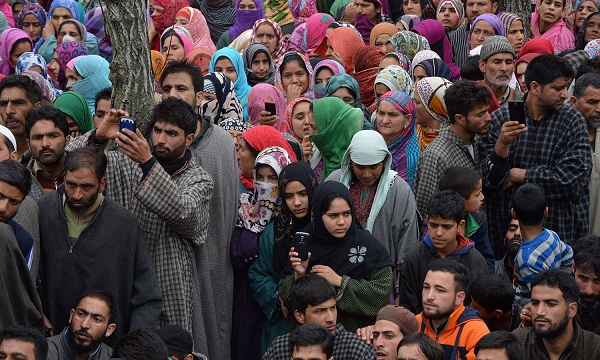
[xxxiv] The Non-Proliferation Treaty of 1968, to prevent the spread of nuclear weapons, extended indefinitely in 1995, failed to subdue countries building weapons of mass destruction. For discussions on the topics above, generally, see: Michael Burns, ‘Have the Preventative Warriors Made US Safer?’ (University of Birmingham), hhtp://www.49th parallel.bham.ac.uk/back/issue14; Stephen J.K. Long, ‘The Origins of the CIA and the Non-Strategic Development of U.S. Political Warfare, 1946-47,’ 49th Parallel, vol. 24 (Spring 2010), 1-22 – http://www.49th parallel.bham.ac.uk/back/issue24; Miranda A. Schreurs, Henrik Selin, and Stacey D. VanDeveer (eds), Transatlantic Environment and Energy Politics: Comparative and International Perspectives (Farnham, Surrey, 2009).

[xxxv] Neville Sloane, ‘The North Atlantic Triangle: Anglo-American-Canadian Atomic Diplomacy, 1941-45’, Paper presented at the Trans-Atlantic Studies Association Conference, The University of Dundee, Scotland, 14 July 2011. In January 2012, North Korea, a nuclear-weapons state, tested some short range missiles, and soon after Iran refused to reign in its nuclear programme. The Globe and Mail, 12 January 2012. According to the World Nuclear Association records, in 2008 the country exported ‘7, 330 tonnes’ of uranium. The trail of uranium sales runs to Britain, America, Russia, France, Israel, India, Pakistan, and Communist China.

In 1958, after the American, Russian, and British once allies in arms-atomic tests had caused increasing radioactive fallout, a moratorium on further tests was accepted by the three powers in deference to world opinion. The accord broke down three years later, but in 1963 under the Nuclear Test Ban Treaty, the three powers agreed to hold underground tests only, thus avoiding the danger of atmospheric fallout. In 1968, they sought to discourage the further spread of nuclear arms among other nations, but neither France nor Communist China approved the non-proliferation plan. The Reykjavik Summit of 1986 failed to reach an agreement to eliminate nuclear weapons.

[xxxvi]TNA PREM 8/471 C403480, Cabinet Minutes, 11 February 1947. President Dwight D. Eisenhower, in May 1953, considered using nuclear weapons against North Korea. Generally, see: Chester J. Pach Jr. and Elmo Richardson, The Presidency of Dwight D. Eisenhower (Kansas City, 1991). In the early 1970s, President Richard Nixon extended arms sales short of nuclear weapons to both Iran and Saudi Arabia. The Soviet Union supplied Iraq with arms dangerously escalating the arms race. President Ronald Reagan’s administration promoted Israeli sales of American manufactured arms to Iran. Reagan might have placed a ‘ban on the sale of military equipment to both Iran and Iraq’ during the Iran-Iraq War of 1980-88, ‘but during the course of his presidency (1981-89), he and his advisers broke this ban by supplying arms to both nations … .’  According to Avi Shlaim, ‘… arms sales to Iran via Israel continued unchecked despite … Operation Staunch, a mid-eighties initiative by the Reagan administration to curb arms transfers to Iran. Avi Shlaim, War and Peace in the Middle East (New York, 1995), 75-7 and 45, 63. In the case of Iran, unlike in the past, it has been cooperating  in disclosing details of its nuclear programme. Senate Standing Committee on Foreign Affairs and International Trade, ‘Iran in Focus: Current Issues for Canadian Foreign Policy,’ December 2012, 6 at http:// www. http://www.senate-senat.ca/foraffetrang.org. Taken form DFAIT, 41:1, Issue no. 6, 47-8, 53-4; BBC News. 14 July 2015.

[xxxvii] During the research period for this paper, international tensions were rising when suicide bombers targeted security compounds in Syria; in neighbouring Lebanon rocket-propelled grenades caused panic in Sidon. The Moncton Times and Transcript reported on 24 June 2013 that ‘More than 93,000 people have been killed in Syrian conflict that started in March 2011’- the sectarian conflict in Syria ‘has spilled across Syria’s borders’. The very recent 26th Boston Marathon explosions, ‘loaded with horrible symbolism’, is hard to ignore’; The Globe and Mail security headlines: ‘Terror in Boston’, 16 April 2013. The fireball explosion at 2:50 pm along the final mile happened on 15 April 2013. In January 2012, North Korea, a nuclear-weapons state, tested some short range missiles, and soon after Iran refused to reign in its nuclear programme. The Globe and Mail, 12 January 2012. The BBC reported on 7 February 2016 that North Korea had more than 1,000 ballistic missiles of varying-range capabilities. The Taepodong-2 ballistic missile has a range of 8,000kms and can strike North America, the Middle East, and Asia. The North Koreans, as reported by the Canadian Broadcasting Corporation, on 23 June 2016, have been been condemned on two separate occasions, 1 June 2016 and  23 June 2016, by the United Nations Security Council for its testing of ballistice missiles. The New York Times, 22 June 2016, reported that the US Ambassador to the United Nations, Samantha Power, found the testing by North Korea to be “‘unacceptable’”.

[xxxviii] Harding, Canada’s Deadly Secret, 20. http://www.stratecoinc.com/en/uranium/hsitory-of-uranium-production-in-canada.php, retrieved 4 February 2014. Eldorado mines taken over from LaBine in 1942 C.D. Howe Eldorado became a Crown Corporation in 1943) major deposits of uranium discovered in Saskatchewan in the late 1940s. By the 1980s, Canada emerged as the world’s leading producer and exporter of uranium, with about 80% of its annual uranium production destined for export.’ According to the World Nuclear Association records, in 2008 Canada exported ‘7, 330 tonnes’ of uranium. The trail of uranium and nuclear technology sales also runs to America, Britain, Israel, India, Iraq, Pakistan, Russia, and Communist China. Generally, see: Gordon Edwards, ‘Canada’s Nuclear Industry and the Myth of the Peaceful Atom,’ Canada and the Nuclear Arms Race, (Toronto, 1983; Ernie Regehr and Simon Rosenblum, eds.). For a discussion of the spread of nuclear weapons during the 1990s to unstable countries, see: Jonathan Schell, The Seventh Decade: the New Shape of Nuclear Danger (New York, 2007).

[xxxix] The Globe and Mail, 9 December 2013.

[xl] During the research period for this paper, international tensions were rising when suicide bombers targeted security compounds in Syria; in neighbouring Lebanon rocket-propelled grenades caused panic in Sidon. The Moncton Times and Transcript reported on 24 June 2013 that ‘More than 93,000 people have been killed in Syrian conflict that started in March 2011’- the sectarian conflict in Syria ‘has spilled across Syria’s borders’. The very recent 26th Boston Marathon explosions, ‘loaded with horrible symbolism’, is hard to ignore’; The Globe and Mail security headlines: ‘Terror in Boston’, 16 April 2013. The fireball explosion at 2:50 pm along the final mile happened on 15 April 2013. In January 2012, North Korea, a nuclear-weapons state, tested some short range missiles, and soon after Iran refused to reign in its nuclear programme. The Globe and Mail, 12 January 2012.

[xli] After the Second World War, the United States and Britain also joined United Nations international initiatives to control the use of atomic energy. At the United Nations both governments supported the Baruch Plan of 1946 that advocated outlawing the use of the atom bomb for military use. Generally, see: Bernard M. Baruch, Baruch: The Public Years (New York, 1960); Carl B. Feldman and Ronald J. Bee, Looking the Tiger in the Eye: Confronting Nuclear Threat (New York, 1985), 106-7. There is an irony here. The Americans, and to a lesser degree the British, supplied munitions to France to help them re-establish their authority in Indo-China. TNA PREM 8/471 C403480, Cabinet Minutes, 11 February 1947. President Dwight D. Eisenhower, in May 1953, considered using nuclear weapons against North Korea. The only reason why the consideration was rendered moot was because of the armistice signed. In 1958, after the American, Russian, and British-once allies in arms- atomic tests had caused increasing radioactive fallout a moratorium on further tests was accepted by the three powers in deference to world opinion. The accord broke down three years later, but in 1963 under the Nuclear Test Ban Treaty the three powers agreed to hold underground tests only, thus avoiding the danger of atmospheric fallout.  The Partial Test Ban Treaty of 1963 was not signed by France or China; American and British plans to conduct tests went forward. Lowell H. Schwartz, Political Warfare against the Kremlin: US and British Propaganda Policy at the Beginning of the Cold War (Basingstoke, 2009).The Non-Proliferation Treaty of 1968, to prevent the spread of nuclear weapons, extended indefinitely in 1995, failed to subdue countries building weapons of mass destruction. For discussions on the topics above, generally, see: Michael Burns, ‘Have the Preventative Warriors Made US Safer?’ (University of Birmingham), hhtp://www.49th parallel.bham.ac.uk/back/issue14; Stephen J.K. Long, ‘The Origins of the CIA and the Non-Strategic Development of U.S. Political Warfare, 1946-47,’ 49th Parallel, vol. 24 (Spring 2010), 1-22 – http://www.49th parallel.bham.ac.uk/back/issue24; Miranda A. Schreurs, Henrik Selin, and Stacey D. VanDeveer (eds), Transatlantic Environment and Energy Politics: Comparative and International Perspectives (Farnham, Surrey, 2009). For a comparative assessment of the experiences of the Cold War linked to ‘the global war on terrorism’, see: Lowell H. Schwartz, Political Warfare against the Kremlin: US and British Propaganda Policy at the Beginning of the Cold War (Basingstoke, 2009).