
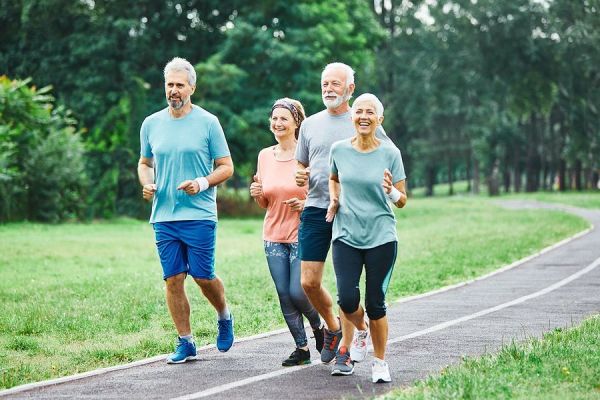
Staying active is a vital part of maintaining health and independence in later life. As we get older, our bodies naturally change, but regular physical activity can help manage these shifts, supporting both physical and mental well-being. Incorporating gentle movement into daily routines can have a significant positive impact, helping to preserve strength and vitality for years to come.
Strengthening the Body and Preventing Falls
One of the most important benefits of regular movement is its effect on muscle strength, bone health, and balance. Activities that build strength can help counteract the natural decline in muscle mass and bone density that occurs with age. This is important because stronger muscles and bones reduce the risk of falls and related injuries, such as fractures.
Exercises that focus on balance and coordination are particularly effective in preventing falls. Simple movements can improve stability and confidence on your feet. Activities like brisk walking, swimming, or cycling also support cardiovascular health by strengthening the heart and improving circulation.
Boosting Mental and Emotional Health
The connection between physical activity and mental well-being is well-established. Exercise releases endorphins, which can improve mood and act as a natural stress reliever. Regular movement has been shown to reduce feelings of anxiety and depression while promoting a sense of satisfaction. It can also lead to better sleep, which is often a challenge for older persons.
Beyond mood, physical activity supports cognitive function. Engaging in activities that require focus and coordination can help keep the mind sharp. Some studies suggest that regular exercise may help maintain memory and thinking skills as we age. Group activities can also provide valuable social engagement, reducing feelings of loneliness.
Gentle Exercises to Get Started
You do not need to engage in strenuous workouts to see benefits. Even light activity is better than none at all. Simple, low-impact movements can be easily incorporated into your day. Always speak with a healthcare provider before beginning a new exercise programme, especially if you have existing health conditions.
Here are some gentle exercises that can be done at home:
- Chair-based movements: Seated leg lifts and upper body twists can help improve flexibility and strength without putting pressure on joints. Simply standing up from a chair without using your hands is a great way to build leg strength.
- Walking: A daily walk is an excellent low-impact activity that supports heart health and mobility. Walking heel-to-toe can also help improve your balance.
- Stretching: Gentle stretches help maintain flexibility and can relieve muscle stiffness. Simple ankle rotations and shoulder stretches can be done while seated or standing.
- Balance exercises: Standing on one foot while holding onto a stable surface can build stability over time. As you gain confidence, you can try holding the position for longer periods.
Putting It Into Practice
Consider the case of a man who became hesitant to leave his home after a minor stumble. The fear of falling caused him to limit his activities, leading to increased stiffness and a decline in his confidence. A family member suggested he start with simple chair exercises for a few minutes each day. Over several weeks, he noticed his leg strength improving. He then began taking short, supervised walks around his garden. This gradual approach helped him rebuild his physical strength and, just as importantly, his confidence. His improved mobility meant he could continue living independently with less worry.
Embracing regular movement, no matter how small it starts, is a powerful way to enhance your quality of life. It supports physical health, sharpens the mind, and lifts the spirits. For those who may need assistance with movement and daily activities, exploring options for safe mobility support at home can provide the confidence and help needed to stay active. Building a routine of gentle exercise helps maintain independence and allows for a more fulfilling and active life.


 International Journal of Research (IJR)