The anatomy of the human body as a factor in artistic decision-making in tattoo art

Roman Zao (Zakharchenko)
Independent artist-researcher in visual culture and tattoo art
Master of Fine Arts (Graphic Design), Far Eastern Federal University
Judge of international tattoo conventions
Author of scholarly and research publications in tattoo art and visual culture
United States
EMAIL: Roman.Zao.ink@gmail.com 
ORCID: 0009-0003-5561-6339

UDC 7.036:391.91

Publication Date: 14 January 2026

Keywords: tattoo art, human anatomy, corporeality, visual culture, composition, body art, artistic decision-making, practice-based research
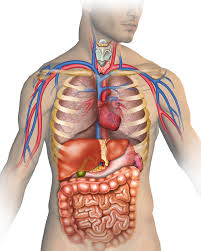
Tattoo art represents a distinct form of contemporary artistic practice in which the image is inseparable from the human body and cannot be examined outside its anatomical, spatial, and dynamic characteristics. Unlike traditional visual arts oriented toward a flat surface or a static volume, tattooing exists within the context of a living, constantly changing corporeal structure. This condition determines the central role of human anatomy in shaping artistic decision-making in tattoo art.

Contemporary research in body studies, visual studies, and body art emphasizes that the human body is not a neutral carrier of imagery. On the contrary, it functions as an active medium that influences composition, scale, rhythm, and the visual perception of an artistic image. Within the framework of this study, anatomy is considered a structuring factor of artistic decision-making rather than a secondary limitation of the creative process.

In tattoo art, the body constitutes a three-dimensional, dynamic form characterized by individual geometry, plasticity, and kinematics. Muscle masses, joint areas, natural curves, and transitional forms create a complex relief that inevitably interacts with the image. Artistic decision-making in tattooing emerges through a dialogue between the author’s concept and the anatomical features of a specific body. As a result, the same image transferred onto different bodies acquires distinct visual and semantic qualities.

Analysis of practical material and existing research demonstrates that neglecting anatomical factors leads to a loss of artistic integrity in tattoo imagery. Images created without regard for bodily geometry lose expressiveness in motion, deform with changes in body position, and enter into visual conflict with natural bodily lines. Conversely, integrating anatomical considerations into artistic decision-making enables the creation of images that maintain coherence and expressiveness both in static and dynamic states.

Of particular importance in tattoo art is work with areas of bodily mobility. Joints, shoulder and hip regions, and the spinal area require specific compositional approaches, as images in these zones are inevitably involved in movement. In such cases, artistic decisions are constructed with consideration not only of form but also of potential bodily kinetics. This brings tattoo art closer to principles of kinetic and performative art, in which movement constitutes an integral component of the artistic image.

Anatomy also directly affects the scale and rhythmic structure of composition. Large muscular surfaces allow for expanded forms and complex compositional structures, whereas anatomically complex areas demand more modular and fragmented solutions. In this context, the artistic thinking of the tattoo artist involves spatial modeling comparable to approaches used in sculpture and architecture.

For a clearer representation of the influence of anatomical factors on artistic decision-making in tattoo art, a comparative analytical overview is presented below.

Table 1. Influence of Human Anatomy on Artistic Decision-Making in Tattoo Art

Anatomical factorArtistic implicationCompositional strategyVisual outcome
Muscle volume and reliefDistortion or enhancement of formAlignment with muscle flowIncreased visual coherence
Joint mobilityImage deformation during movementDynamic or segmented compositionPreserved readability in motion
Body curvatureAltered perspectiveAdaptive scaling and curvature mappingNatural visual integration
Skin tension zonesLine instabilityControlled line directionStructural stability of image
Individual body proportionsScale imbalancePersonalized compositional layoutHarmonized body–image relationship

As the analysis demonstrates, artistic decision-making in tattoo art is formed through a complex consideration of anatomical factors. Body anatomy not only influences the technical execution of imagery but also becomes an active participant in the artistic process, shaping the visual logic and expressive capacity of the tattoo image.

Viewing anatomy as an artistic factor allows for a reconsideration of authorship in tattoo art. Artistic decisions do not arise from the transfer of a preexisting image onto the body but rather from the interaction between the author’s concept and the corporeal reality of a specific individual. In this sense, the body functions as a co-author of the artistic image, fundamentally distinguishing tattooing from most traditional forms of visual art.

Thus, human anatomy constitutes a foundational factor in artistic decision-making in tattoo art. Recognizing the body as an active artistic medium enables tattooing to be understood as a complex interdisciplinary practice situated at the intersection of art, anatomy, visual culture, and corporeality. Further investigation of this interaction is essential for a deeper understanding of tattoo art as a form of contemporary artistic expression.

References

Pitts, V. (2003). In the Flesh: The Cultural Politics of Body Modification. New York: Palgrave Macmillan.
Featherstone, M. (2010). Body, image and affect in consumer culture. Body & Society, 16(1), 193–221.
DeMello, M. (2014). Inked: Tattoos and Body Art around the World. Santa Barbara: ABC-CLIO.
Sanders, C. R., & Vail, D. A. (2008). Customizing the Body: The Art and Culture of Tattooing. Philadelphia: Temple University Press.
Sweetman, P. (2004). Anchoring the (postmodern) self? Body modification, fashion and identity. Body & Society, 10(2–3), 51–76.
Irwin, K. (2001/2003). Legitimating the first tattoo: Moral passage through informal interaction. Symbolic Interaction, 24(1), 49–73.
Jones, C. A. (2011). Body Art/Performing the Subject. Minneapolis: University of Minnesota Press.
MacCormack, P. (2008). The Anatomy of Disgust. New York: Continuum.
Braidotti, R. (2013). The Posthuman. Cambridge: Polity Press.
Pitts-Taylor, V. (2016). The Brain’s Body: Neuroscience and Corporeal Politics. Durham: Duke University Press.

When Rybelsus Fits Into Type 2 Diabetes Care: A Practical Guide

Oral options for type 2 diabetes are changing how people manage blood sugar. Rybelsus is one such option that works through a hormone pathway and supports day-to-day glucose control. This guide explains what to expect, how to use it well, and ways to reduce common challenges.

For context about formulation and dosing strengths, reviewRybelsus Semaglutide Pills to understand how the tablet is designed and taken on an empty stomach. The information below focuses on practical steps, symptom patterns, and safety considerations in everyday life.

How this oral GLP-1 option works in the body

This medicine acts like GLP-1, a gut hormone that helps regulate glucose. It signals the pancreas to release insulin when blood sugar rises and reduces excess sugar made by the liver. It also slows stomach emptying slightly, which may help with appetite and post-meal spikes.

Why this mechanism matters

People often notice steadier fasting levels and fewer late-day highs. Some experience reduced hunger, which can support gradual weight changes. Results vary, and benefits build over weeks as the body adjusts.

Who may consider it

Adults with type 2 diabetes who need better A1C control despite diet and exercise may be candidates. It is not for type 1 diabetes or diabetic ketoacidosis. A clinician will factor in kidney function, gastrointestinal history, and personal goals before prescribing.

Symptoms, goals, and everyday challenges

High blood sugar can cause thirst, frequent urination, fatigue, and blurry vision. Over time, chronic highs raise risks for heart, kidney, eye, and nerve complications. The aim is consistent, safe targets while maintaining energy and preventing lows.

Setting realistic targets

Tracking fasting and post-meal readings helps spot patterns. Many people start with small, achievable goals such as trimming a 20–30 mg/dL rise after meals. Discuss personal targets and A1C goals with your clinician, especially if you have other conditions.

Recognizing early signals of change

During the first weeks, you may see smoother mornings or fewer sugar spikes after larger meals. Appetite may shift, making smaller portions feel sufficient. Keep a simple log of meals, doses, and symptoms to guide adjustments.

Getting started safely: timing, dosing, and interactions

Oral GLP-1 therapy is sensitive to timing and stomach conditions. The tablet is typically taken on an empty stomach with a small amount of water, followed by a wait period before eating, drinking, or taking other medications. Consistency at the same time each day helps absorption and outcomes.

Baseline checks and medical history

Before starting, clinicians often review kidney function, gastrointestinal history, and risk factors such as pancreatitis. Share all medications and supplements, including over-the-counter products. Mention any prior gallbladder issues, thyroid concerns, or severe reflux.

Other medicines and low-sugar risk

On its own, a GLP-1 usually has a low risk of hypoglycemia (low blood sugar). However, when used with insulin or sulfonylureas, lows can occur. Know symptoms like shakiness, sweating, or confusion, and carry fast-acting carbs if your regimen includes a low-risk medicine paired with a higher-risk one.

Class context and options

These therapies are part of a broader group that target the GLP-1 pathway. For a general overview of the class, seeGLP-1 Agonists and discuss with your clinician how the oral form compares with injections for your needs.

Managing common side effects and staying consistent

Most side effects are gastrointestinal and tend to be mild to moderate. Nausea, fullness, burping, or softer stools are common during dose changes. They often improve within two to eight weeks as your body adapts.

Ways to reduce nausea and reflux

  • Eat smaller, more frequent meals instead of large portions.
  • Favor bland foods early on; limit very spicy or greasy meals.
  • Sip water slowly; avoid chugging liquids around meals.
  • Wait the recommended time after dosing before eating or drinking.
  • Reduce carbonated beverages if bloating is bothersome.

If symptoms persist

Track what triggers discomfort and share specifics with your clinician. Slowing the dose increase or pausing escalation can help. Seek urgent care for severe abdominal pain, persistent vomiting, signs of dehydration, or yellowing of the skin or eyes.

Protecting hydration and digestion

Because this class can slow stomach emptying, hydration matters. Aim for consistent fluids across the day, especially in hot weather or during exercise. Include fiber from vegetables, legumes, and whole grains to support regularity.

Nutrition, activity, and daily routines that reinforce progress

Medication works best when paired with simple habits. Consistent meals, movement, and sleep can sharpen your response and reduce swings. Small, repeatable steps often outperform drastic short-term changes.

Meal planning and portion balance

  • Build plates around non-starchy vegetables, lean proteins, and healthy fats.
  • Choose high-fiber carbohydrates like beans, oats, and berries.
  • Watch added sugars in drinks, sauces, and snacks.
  • Use a consistent breakfast, especially important with a morning tablet routine.

Movement that fits your life

Even short walks after meals can reduce post-meal spikes. Aim for regular aerobic activity and two sessions of resistance training weekly, as tolerated. If activity raises low-sugar concerns with other medicines, plan a small carb snack and test more often.

Sleep, stress, and alcohol

Short sleep and high stress can raise glucose. Create a bedtime routine and practice brief stress breaks during the day. If you drink alcohol, monitor sugars more closely and avoid drinking on an empty stomach.

Monitoring progress and knowing when to adjust

Regular reviews help you and your clinician decide on dose changes. Many people see early shifts within four to eight weeks, with larger A1C changes over several months. Labs and home readings together give the clearest picture.

What to track weekly

  • Fasting glucose at least a few mornings per week.
  • One or two post-meal checks at varying meals.
  • Side effects, appetite changes, and hydration.
  • Body weight trends, if weight is a goal.

When readings are off target

Consider meal timing, missed doses, illness, or new medicines. Review tablet timing and the wait period to protect absorption. Bring your log to appointments so your clinician can tailor next steps.

Safety signals to discuss promptly

Contact a clinician for ongoing severe GI symptoms, signs of dehydration, or unexplained abdominal pain. Sudden worsening of glucose with illness warrants closer monitoring. If you become pregnant or plan to conceive, review your treatment plan.

Some people explore cross-border options for cost or access and consider Canadian pharmacies that ship to the United States. If comparing sources, confirm licensure and dispensing standards, and discuss any changes with your clinician beforehand.

Medical disclaimer: This content is for informational purposes only and is not a substitute for professional medical advice.

For site-wide education and resources on diabetes care, visitCanadianInsulin for general information and articles focused on condition management.