INDEPENDENT INDIA

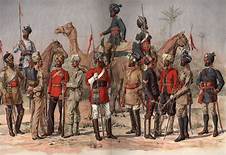
The British rule played an important role in shaping modern India. British ruled over India for more than a century (1757-1947). The British rule in India started with the East India Company, a private company owned by stakeholders. The anti-colonialism movement emerged in response to the “divide and rule” approach used by the British. Gandhi, and his revolutionary methods of protest, played a pivotal role in Indian independence. India gained its independence from Britain on 15 August 1947, after decades of clashes and protesting.

THE BATTLE OF PLASSEY

Britain had been trading in India since about 1600, but it did not begin to seize large sections of land until 1757, after the Battle of Plassey. This battle pitted 3,000 soldiers of the British East India Company against the 50,000-strong army of the young Nawab of Bengal, Siraj ud Daulah, and his French East India Company allies. The Nawab lost at least 500 troops, while Britain lost only 22. Britain seized the modern equivalent of about $5 million from the Bengali treasury and used it to finance further expansion.

THE MUTINY OF INDIA IN 1857                         

On May 10, 1857, the Indian Revolt began, with Bengali Muslim troops marching to Delhi and pledging their support to the Mughal emperor. After a year-long struggle, the rebels surrendered on June 20, 1858.

WORLD WAR I

During World War I, Britain declared war on Germany on India’s behalf, without consulting Indian leaders. About 1.5 million Indian soldiers and laborers were serving in the British Indian Army by the time of the Armistice. A total of 60,000 Indian soldiers were killed or reported missing. In April 1919, more than 15,000 unarmed protesters gathered at Amritsar, in Punjab. British troops fired on the crowd, killing hundreds of men, women, and children, even though the official death toll of the Amritsar Massacre as reported was 379.

WORLD WAR II

When World War II broke out, India once again contributed hugely to the British war effort. In addition to troops, the princely states donated substantial amounts of cash. By the end of the war, India had an incredible volunteer army of 2.5 million men. About 87,000 Indian soldiers died in combat.

STRUGGLE FOR INDEPENDENCE

Even as World War II raged on, Gandhi and other members of the Indian National Congress (INC) demonstrated against British rule. The 1935 Government of India Act had provided for the establishment of provincial legislatures across the colony. The Act also created a federal government for the provinces and princely states and granted the right to vote to about 10% of India’s male population.

ARRESTS OF GANDHI

Gandhi and the INC did not trust the British envoy and demanded immediate independence in return for their cooperation. When the talks broke down, the INC launched the “Quit India” movement, calling for the immediate withdrawal of Britain from India. In response, the British arrested the INC’s leadership, including Gandhi and his wife. Mass demonstrations were carried out across the country but were crushed by the British Army.

PARTITION

On August 17, 1946, violent fighting broke out between Hindus and Muslims in Calcutta. The trouble quickly spread across India. Meanwhile, cash-strapped Britain announced its decision to withdraw from India by June 1948. Sectarian violence flared again as independence approached. In June 1947, representatives of the Hindus, Muslims, and Sikhs agreed to divide India along sectarian lines. Hindu and Sikh areas remained part of India, while predominantly Muslim areas in the north became the nation of Pakistan. This division of territory was known as the Partition. Millions of refugees flooded across the border in each direction, and up to 2 million people were killed in sectarian violence. Pakistan became independent on August 14, 1947. India followed the next day.

CBD GUMMIES

Cannabidiol is a chemical in the marijuana or hemp plant. Cannabidiol gummies also known as CBD gummies are edible candies. These candies come in a variety of colors, shapes and concentrations of CBD. It treats its consumers with the sweetness of sugar.

CBD TYPES:

  • CBD isolates: pure form of CBD
  • Broad-spectrum CBD: contains all the phytochemicals that are in                                                                the cannabis plant but no tetrahydrocannabinol (THC).
  • Full-spectrum CBD: contains all the phytochemicals that occur naturally in the cannabis plant. It also contains tetrahydrocannabinol.

LEGALITY OF CBD PRODUCTS

Only those hemp-derived CBD products are legal on the federal level that contains less than 0.3% of THC. Marijuana derived CBD products are illegal on the federal level, but they may be legal in some states.

FORMS OF CBD

  • Oil
  • Tincture
  • Dissolvable strips
  • Cream
  • Edibles
  • Dermal patches
  • Isolate

BENEFITS OF CBD GUMMIES

  • RELIEVES SWELLING AND PAIN: It interacts with vanilloid receptors in the brain and relieves pain and swelling in other parts of the body.
  • REDUCES DEPRESSION AND ANXIETY: It interacts with Adenosine and Serotonin receptors of the brain and reduces depression and anxiety.
  • IMPROVES FOCUS: CBD makes it easier for the brain not to pay attention on the distraction and increases focus on the task the person is doing.
  • STIMULATES BONE GROWTH: It stimulates osteoblasts and osteoclasts cells involved with the growth of bones.
  • REDUCES THE RISK OF HIGH BLOOD PRESSURE: CBD exhibits natural antioxidant properties. Both in stressful and non-stressful situations CBD contributes to lower blood pressure levels.
  • DIGESTIVE AID: It reduces nausea and stimulates appetite and thus high amounts of CBD infusion into the brain acts as a digestive aid.
  • DELICIOUS TASTE: CBD gummies come in a variety of delicious and fruity flavors.
  • ONLINE AVAILABILITY: CBD gummies can be found online as they are easy to ship.
  • EASY INTAKE: Just chew and swallow that’s it. CBD gummies are super easy to take.
  • LONG LASTING: The CBD in the gummy is released over a period of hours, providing long lasting relief.
  • GENTLE ON LUNGS AND THROAT: They don’t irritate the throat or lungs as smoke may.
  • ANTIOXIDANT PROPERTIES: Antioxidants protect the body and the brain by removing harmful molecules. The CBD in CBD gummy is an antioxidant.
  • RELAXATION : The CBD in CBD gummy interacts with the brain and the body and even in stress, results in feelings of calmness and relaxation.
  • FACILITATES SLEEPING: CBD helps in overcoming sleep disorders.

CBD GUMMIES SIDE EFFECTS

CBD gummy is considered as a safe substance to take and there are not any major effects. There are some normal common side effects that arise due to intake of other pharmaceutical drugs that CBD consumption might also exhibit. They are:

  • Low blood pressure
  • Drowsiness
  • Increased tremors in some patients
  • Dry mouth
  • Lightheadedness
  • Inhibition of hepatic drug metabolism

CBD OIL

CBD oil is derived from the hemp plant. It possess large amount of CBD. It is free of any psychoactive attributes. It does not contain sugar. It gets the active ingredients into the bloodstream quickly. It comes both in flavored and unflavored variations but its natural taste is as herbaceous, earthy and normally quite pleasant.

CBD OIL V. CBD GUMMIES

CBD oil can be ingested or inhaled because of which it gets into the bloodstream quickly whereas CBD gummies can only be eaten and thus takes time to reach the bloodstream. The effects of gummies get delayed and CBD oil shows instant effect but it depends upon how it is being used. The effects of gummies last longer because they get slowly digested in the stomach. The exact dosage of CBD can be controlled with oils but with gummies the dosage is quite confused.

Either of the CBD products cannot be said better than other. It solely depend upon the taste of the user and the usage of it depends upon which product derives maximum benefits to him/her.

WORKING OF CBD GUMMIES

After a person takes the CBD gummies cannabidiols enters the system and acts as a natural neuro transmitter to stop pain, end anxiety, provide a good sleep and stimulates complete body balance. The results of CBD are improved with its continuous usage. CBD gummies do not form habit.

INDIAN ARMED FORCES

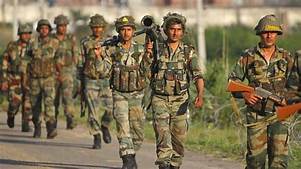
The Indian Armed Forces are the military forces of the Republic of India. It consists of three professional uniformed services: the Indian Army, Indian Navy, and Indian Air Force. The President of India is the Supreme Commander of the Indian Army, and its professional head is the Chief of Army Staff (COAS), who is a four-star general. The Indian Army originated from the armies of the East India Company, which eventually became the British Indian Army, and the armies of the princely states, which were merged into the national army after independence. The primary mission of the Indian Army is to ensure national security and national unity, to defend the nation from external aggression and internal threats, and to maintain peace and security within its borders. The army has been involved in four wars with neighboring Pakistan and one with China.

MISSION

The army has taken up the responsibility of providing internal security, especially against insurgencies in Kashmir and Northeast India. Currently, the army is also looking at enhancing its Special Forces capabilities. With India’s increasing international role, and the requirement to protect its interests in far-off countries becomes important, the Indian Army and Indian Navy are jointly planning to set up a marine brigade.

PULWAMA ATTACK

On 14 February 2019, a convoy of 78 vehicles transporting more than 2,500 Central Reserve Police Force (CRPF) personnel from Jammu to Srinagar was travelling on National Highway 44. Pakistan-based militant group Jaish-e-Mohammed claimed responsibility for the attack. It is the deadliest terror attack on India’s state security personnel in Kashmir since 1989. On 27 February, Pakistan Air Force conducted an airstrike into Jammu and Kashmir in retaliation for the Indian airstrike the day before. Both Pakistan and India agreed that no damage was caused by Pakistan’s airstrike. However, in an ensuing dogfight between Indian and Pakistani jets, an Indian MiG-21 was shot down over Pakistan and its pilot captured. Pakistan released the pilot on 1 March. On 5 March, Pakistan arrested 44 members of various groups, including the Jaish-e-Muhammad. Some of those arrested had been named by India in a dossier it gave to Pakistan in the aftermath of the Pulwama attack.

URI: THE SURGICAL STRIKE

There was an attack by four heavily armed terrorists on 18 September 2016, near the town of Uri in the Indian former state of Jammu and Kashmir. It was reported as “the deadliest attack on security forces in Kashmir in two decades”. The terrorist group Jaish-e-Mohammed was involved in the planning and execution of the attack. At the time of the attack, the Kashmir Valley region was a center of unrest. At around 5:30 a.m. on 18 September, four terrorists attacked an Indian Army brigade headquarters in Uri, near the Line of Control in a pre-dawn ambush.

BALAKOT AIRSTRIKE

The 2019 Balakot airstrike was conducted by India in the early morning hours of 26 February when Indian warplanes crossed the de facto border in the disputed region of Kashmir, and dropped bombs in the vicinity of the town of Balakot in Khyber Pakhtunkhwa province in Pakistan. The following day, 27 February, in a tit-for-tat airstrike, Pakistan retaliated, causing an Indian warplane to be shot down and its pilot to be taken prisoner by the Pakistan military before being returned on 1 March. The airstrikes were the first time since the India-Pakistan war of 1971 that warplanes of either country crossed the Line of Control and also since both states have become nuclear powers.

INSIDER TRADING

Trading of a public company’s stock or other securities based on material, nonpublic information about the company. In various countries, some kinds of trading based on insider information is illegal. This is because it is seen as unfair to other investors who do not have access to the information, as the investor with insider information could potentially make larger profits than a typical investor could make.

MISAPPROPRIATION THEORY

It states that anyone who misappropriates material non-public information and trades on that information in any stock may be guilty of insider trading. This can include elucidating material non-public information from an insider with the intention of trading on it, or passing it on to someone who will.

INDIA

Insider trading in India is an offense according to Sections 12A, 15G of the Securities and Exchange Board of India Act, 1992. Insider trading is when one with access to non-public, price-sensitive information about the securities of the company subscribes, buys, sells, or deals, or agrees to do so or counsels another to do so as principal or agent. Price-sensitive information is information that materially affects the value of the securities. The penalty for insider trading is imprisonment, which may extend to five years, and a minimum of five lakh rupees (500,000) to 25 crore rupees (250 million) or three times the profit made, whichever is higher.

CASE

Sun Pharmaceutical, its managing director Dilip Shanghvi, chairman Israel Makov and eight others have settled a probe by markets regulator Sebi into alleged violation of insider trading norms on a payment of Rs18 lakh towards settlement charges.While Sebi didn’t disclose details of the case, it appears to be related to acquisition of Ranbaxy by Sun Pharma from Japanese drugmaker Daiichi, as the settlement with the regulator has also been done by former Ranbaxy CEO Arun Sawhney, Daiichi’s director Kazunori Hirokawa, its ex-Chairman Takashi Shoda and its former senior executive officer Tsutomu Une. Shoda is said to have led Daiichi’s acquisition of Ranbaxy in 2008, though the Japanese giant had to eventually sell its stake in the company to Sun Pharma in 2014. Besides, the settlement has been done by Ranbaxy’s former secretary S K Patawari; Sun Pharma’s directors Sudhir V Valia and Sailesh Desai; and its company secretary Sunil Ajmera. Sebi agreed to settle proposed adjudication proceedings in the case, pertaining to violation of the “internal code of conduct for prevention of insider trading” framed by the company, after it was approached by these 11 entities with a plea under the settlement regulations “without admitting or denying the findings of fact and conclusion of law”. “The proposed adjudication proceedings for the alleged violation… are settled,” Sebi said in a settlement order passed yesterday adding it would not initiate any enforcement action for the alleged defaults. These 11 entities allegedly violated internal code of conduct for prevention of insider trading framed by the company under Sebi’s PIT (Prohibition of Insider Trading) norms. Pending adjudication proceedings, these 11 entities had approached Sebi earlier this year to settle the case on payment settlement charges. Thereafter, Sebi’s High Powered Advisory Committee recommended the case for settlement on the payment of Rs18 lakh. This was also approved by Sebi’s panel of whole-time members, following which they remitted the amount.

Accordingly, the Securities and Exchange Board of India (Sebi) has disposed of the adjudication proceedings initiated against them. It further said that enforcement actions, including commencing or reopening of the proceedings, could be initiated if any representation made by them is found to be untrue.

EVE TEASING

Eve teasing refers to public sexual harassment of women by men. It ranges from sexually suggestive remarks, brushing in public places and catcalls, to groping. Some people suggest women to not attract men by wearing conservative cloths. Sexual harassment involves nonverbal, verbal, physical, or visual sexual attention, intimidation, or coercion that is unwelcome and unwanted and often has a negative impact on the psychosocial health of the victim. Eve teasing is a common form of sexual harassment.

DEPICTIONS IN POPULAR CULTURE

This issue is depicted in television soaps like Savdhaan India and Crime Patrol. Indian cinema has been depicting eve teasing because of which its rate has increased. They show eve teasing as a part of flirtatious beginnings of a courtship, along with the usual accompaniment of song and dance routines, which invariably results in the heroine submitting to the hero’s advances towards the end of the song. Young men tend to emulate the example depicted so flawlessly on screen. In some movies it has been shown that when a girl is teased in this way, the hero will come and beat the guy up.

FORMS OF EVE TEASING

  • Passing vulgar comments
  • Touching
  • Pushing
  • Shoving
  • Vulgar stare
  • Winking
  • A sly whistle
  • An opportune clap
  • Collision
  • Despicable gestures

CAUSES OF EVE TEASING

  • Natural attraction to each other
  • Lack of religious education
  • Unmindful about religions
  • Unfair dress
  • Open sky culture
  • Alcoholism and drug addiction
  • Unemployment
  • Lack of social bondage
  • Absence of family educations
  • Computer, mobile etc.
  • Political patronize
  • Cultural aggression
  • Obscene cinema, drama and song
  • Absence of law
  • Environment

CONSEQUENCES OF EVE TEASING

  • Suicide
  • Mental disease
  • Family trouble
  • Blocking education
  • Killing and oppression
  • Child marriage

WAYS TO PREVENT EVE TEASING

  • Keep alert
  • Raise the alarm
  • Strong body language
  • Do not assume traditional clothing will keep you safe
  • Do not pay too much attention to strangers
  • Family education
  • Both the victim of this social evil and offender need to be counseled
  • Victims must come forward and register a complaint
  • Giving stringent punishment to the offender
  • Implementation of Regulations

NATIONAL COMMISSION FOR WOMEN

Mission-To strive towards enabling women to achieve equality and equal participation in all spheres of life by securing her due rights and entitlements through suitable policy formulation, legislative measures, effective enforcement of laws, implementation of schemes/policies and devising strategies for solution of specific problems/situations arising out of discrimination and atrocities against women.

Vision-The Indian Woman, secure in her home and outside, fully empowered to access all her rights and entitlements, with opportunity to contribute equally in all walks of life.

LEGAL PROVISIONS PERTAINING TO EVE TEASING IN INDIAN PENAL CODE

  • Section 294: liable to punishment
  • Section 354: imprisonment for a term of 1-5 years
  • Section 354 A: imprisonment for a term of up to 3 years
  • Section 354 D: fine and imprisonment for a term of three years
  • Section 509: imprisonment for a period up to three years

AS A CHILD SHE FEARED THAT THERE WAS A MONSTER HIDING IN HER CLOSET. YEARS LATER SHE REALIZED; MONSTERS DON’T HIDE RATHER THEY ROAMED FREELY ON THE STREETS.

BULLYING

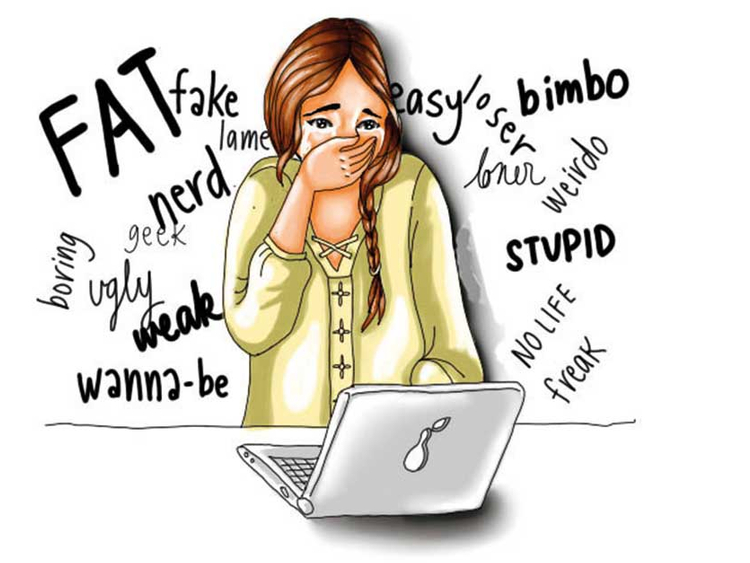
It is the use of force, coercion, or threat, to abuse, aggressively dominate or intimidate. This behavior is often repeated and is habitual. It is the use of physical or social power. It aims at hurting another individual, physically, mentally, or emotionally. It can be done individually or in groups. This may take place in schools, colleges, workplace, home and neighborhoods. Bullying behaviors include physical assault or coercion, verbal harassment, or threat. It arises as a result of differences of social class, race, religion, gender, sexual orientation, appearance, behavior, body language, personality, reputation, lineage, strength, size, or ability. It is divided into four basic types of abuse:

  • Psychological
  • Verbal
  • Physical
  • Cyber

TYPES                                                    

  • Individual
  • Physical
  • Verbal
  • Relational
  • Cyber bullying
  • Collective
  • Mobbing
  • Reactive

WHAT MAKES A BULLY

It is the result of a person’s need to get and keep control over someone else. Bullies are focused on themselves. They are often insecure and bully others to make themselves feel better and might not care about people, or lack empathy. Some bullies don’t understand normal social emotions like guilt, empathy, compassion, or remorse. Both boys and girls can be bullies. Bullies may be: outgoing and aggressive, quiet and sneaky, friendly and fake.

CAUSES AND RISK FACTORS OF BULLYING

Risk factors for being the victim of bullying include having low understanding of emotional or social interactions, a tendency to become upset easily, or already suffering from anxiety or depression, actual obesity, being underweight. Homosexual youths are more often victims of bullying rather than heterosexual youth.

SYMPTOMS AND WARNING SIGNS OF PEOPLE WHO ARE BULLIED

  • Missing belongings
  • Unexplained injuries
  • Limited number of friends
  • Stress
  • Headaches
  • Stomachaches
  • Changes in appetite
  • Bedwetting
  • Dizziness
  • General aches and pains
  • Irritability
  • Anxiety
  • Sadness
  • Trouble sleeping
  • Frequent nightmares
  • Tiredness in the mornings
  • Loneliness
  • Helplessness
  • Feeling isolated
  • Avoiding social situations
  • Getting to school or work late
  • Taking off more days
  • Skipping school without telling parents
  • Trying to retaliate against their tormentors
  • Grades may decline
  • Hurting themselves
  • Attempting suicide

CYBERBULLYING

Cyber bullying can occur anywhere, via smartphones, emails, texts, and social media, 24 hours a day. Cyber bullies use digital technology to harass, threaten, or humiliate people. The methods kids and teens use to cyber bully can be as varied and imaginative as the technology they have access to. Cyber bullies come in all shapes and sizes.

HOW TO DEAL WITH A BULLY

  • Tell an adult
  • Ignore the bully and walk away
  • Walk tall and hold your head high
  • Don’t get physical
  • Try to talk to the bully
  • Practice confidence
  • Talk about it
  • Join your school’s bullying or violence prevention programs
  • Find your true friends
  • Stand up for friends and others you see being bullied
  • Try to view bullying from a different perspective
  • Don’t blame yourself
  • Don’t beat yourself up
  • Spend time doing things you enjoy
  • Learn to manage stress
  • Unplug from technology
  • Find others who share your same values and interests

HOW TO DEAL WITH CYBERBULLYING

  • Don’t respond to any messages or posts
  • Prevent communication from the cyber bully
  • Save the evidence of the cyber bullying
  • Don’t seek revenge
  • Report threats of harm

IF YOU ARE A BULLY

  • Try talking to a trusted adult about why you have become a bully and take advice from them
  • Try thinking of how the person being bullied feels

Bullying is not a single episode of social rejection or dislike, acts of nastiness or spite, random acts of aggression or intimidation, mutual arguments, disagreements or fights.

ADVERTISEMENT

It is the promotion of a product, brand or service in order to attract more customers and increase the sales. It is a paid form of non-personal communication. It is a promotional tool. Advertising is done through newspapers, magazines, television, radio, outdoor advertising or direct mail, search results, blogs, social media, websites or text messages.

STAGES OF PROMOTING A PRODUCT

  1. Market analysis
  2. Selecting the advertising media
  3. Cost-benefit analysis
  4. Deciding the mode of advertisement
  5. Creating the actual advertisement

IMPORTANCE

Customers:

  1.  Awareness of the product available in the market
  2. Helps to find the best product

Seller and companies:

  1. Helps in increasing sales
  2. Helps  to know their competitors
  3. Makes ground for new product
  4. Creates goodwill of the company
  5. Customer loyalty
  6. Demand of the product increases

Society:

  1. Educates people
  2. Deals with social issues like child labor, liquor consumption, girl child killing, smoking, family planning education, etc

TYPES OD ADVERTISEMNTS

  1. Print advertisement
  2. Radio advertisement
  3. Television advertisement
  4. Internet advertisement

TYPES OF AD FORMATS

  1. Banner ads
  2. Interstitial ads
  3. Native ads
  4. Video ads
  5. Playable ads
  6. Ads and adjust

THE BEST ADVERTISING CAMPAIGNS OF ALL TIME

NIKE: Just Do It

  1. Print, television, internet
  2. Connects the customers on an emotional level

COKE: Share a Coke

  1. Print
  2. Encourages sharing

VOLKSWAGEN: Think Small

  1. Print
  2. Consumers recognize and appreciate honesty.

GOOGLE: Year in Search

  1. Internet
  2. Unites everyone and tells customers how much you care that they care

METRO TRAINS: Dumb Ways to Die

  1. Internet, radio
  2. Communicates a simple idea in a creative and memorable way

APPLE: Get a Mac

  1. Television
  2. Explain your product’s benefits in a relatable way so consumers are able to see themselves using it.

KFC: FCK

  1. Print
  2. Demonstrates how to combine humility, class, humor, and ultimately company pride in a message

ADVANTAGES

  • From Viewpoint of Manufacturers:
    1. Increase in sales
    2. Supplementing Salesmanship
    3. Lower costs
    4. Greater dealer interest
    5. Quick turnover and smaller inventories
    6. Steady demand
  • From Viewpoint of Consumers:
    1. Improvement in quality
    2. Facility of purchasing
    3. Consumer’s surplus
    4. Education of consumers
  • From the Viewpoint of Middleman:
    1. Retail Price Maintenance becomes Possible
    2. Acts as a salesman
    3. Ensures quick sales
  • From the Viewpoint of Society:
    1. Change in motivation
    2. Sustaining the press
    3. Encouragement to artists
    4. Encouragement to research
    5. Glimpse of National life

DISADVANTAGES

  1. Deferred Revenue Expenditure
  2. Misrepresentation of facts
  3. Barriers to Entry
  4. Wastage of National Resources
  5. Consumer’s deficit
  6. Increased costs
  7. Product Proliferation
  8. Multiplication of needs

BENEFITS OF INTERNET ADVERTISING

  • Internet Advertising is Huge
  • Internet Advertising is Targeted
  • Internet Adverting Enables Good Conversion Tracking
  • Internet Advertising has a Lower Entry-Level Fees
  • Internet Advertising can be Much Cheaper
  • Internet Advertising has Greater Range

LIMITATIONS OF INTERNET ADVERTISING

  • Clutters
  • Privacy
  • Measurement problem
  • Surfing speed

FALSE ADVERTISING

False advertising is the use of false, misleading, or unproven information to advertise products to consumers. The advertising frequently does not disclose its source. Examples:

  • Photo bleaching
  • Omitting information
  • Hidden fees and surcharges
  • Manipulation of measurement units and standards
  • Fillers and oversized packaging
  • Misleading health claims
  • Comparative advertising
  • Manipulation of terms
  • Puffing
  • Incomplete comparison
  • Inconsistent comparison
  • Misleading illustrations
  • False coloring
  • Angel dusting
  • Guarantee without a remedy specified
  • Bait-and-switch

COMPANIES FOUND GUILTY OF FALSE ADVERTISING

  • VW falsely advertised environmentally friendly diesel cars
  • Activia yogurt said it had special bacterial ingredients.
  • Red Bull said it could give you wings
  • A lawsuit alleged that Taco Bell was falsely advertising its beef.
  • Eclipse said its gum could kill germs
  • L’Oreal claimed its skincare products were clinically proven to boost genes.
  • Splenda said it was made from sugar
  • Hyundai and KIA over-advertised its cars’ horsepower
  • Definity eye cream re-touched a model in an anti-aging ad
  • Wal-Mart falsely advertised the price of Coke in New York

CYBER CRIMES

It is a crime which involves computer and a network and is also known as computer oriented crime. It involves the use of computer to illegal ends for activities like: committing fraud, trafficking in child pornography and intellectual property, stealing identities, or violating privacy. It especially involves internet. It is an attack on information of individuals, companies or government. In this digital age our virtual identities are very important elements to all of us. Cyber crime aims at hampering our virtual identities. The main problem with cyber crime is that it is of non local nature which means it can happen even from faraway places. Thus there is a problem in enforcement of law.  Internet offers criminals multiple hiding places in the real world as well as in the network itself. Cyber criminals leave clues as their location which makes them easy to track. It is required by the Internet Service Providers to store information on their customers’ transactions and to turn this information over on demand.

TYPES OF CYBER CRIME

It involves various crimes. It involves breach of personal or corporate privacy, like: assaults on the integrity of information held in digital depositories and the use of illegally obtained digital information to blackmail a firm or individual. There is a growing crime of identity theft. There are transaction-based crimes such as fraud, trafficking in child pornography, digital piracy, money laundering, and counterfeiting. Criminals hide themselves in the anonymity provided by the internet. There are crimes which involve attempts to disrupt the actual workings of the Internet. These range from spam, hacking, and denial of service attacks against specific sites to acts of cyber terrorism—that is, the use of the Internet to cause public disturbances and even death.

ATM FRAUD

In order to withdraw cash from ATM a person supplies a card and personal identification number. Criminals have developed means to intercept both the data on the card’s magnetic strip as well as the user’s PIN. In turn, the information is used to create fake cards that are then used to withdraw funds from the unsuspecting individual’s account. A particularly effective form of fraud has involved the use of ATM’s in shopping centers and convenience stores. These machines are free-standing and not physically part of a bank. Criminals can easily set up a machine that looks like a legitimate machine; instead of dispensing money, however, the machine gathers information on users and only tells them that the machine is out of order after they have typed in their PINs.

CHILD PORNOGRAPHY

The possession of child pornography, defined here as images of children under age 18 engaged in sexual behavior, is illegal , but it remains a problem that has no easy solution. The Internet also provides pedophiles with an unprecedented opportunity to commit criminal acts through the use of “chat rooms” to identify and lure victims. In many countries, state authorities now pose as children in chat rooms; despite the widespread knowledge of this practice, pedophiles continue to make contact with these “children” in order to meet them “off-line.” That such a meeting invites a high risk of immediate arrest does not seem to deter pedophiles. It is because the Internet allows individual privacy to be breached that the authorities are able to capture pedophiles.

CYBERSEX TRAFFICKING

Cybersex trafficking is the transportation of victims and then the live streaming of coerced sexual acts and or rape on webcam. Victims are abducted, threatened, or deceived and transferred to ‘cybersex dens. The dens can be in any location where the cybersex traffickers have a computer, tablet, or phone with internet connection.  Perpetrators use social media networks, video conferences, dating pages, online chat rooms, apps, dark web sites, and other platforms.

There are many more computer oriented crimes all over the internet.

COMBATING COMPUTER CRIME

  1. Investigation
  2. Prevention
  3. Legislation
  4. Penalties
  5. Awareness
  6. Intelligence
  7. Diffusion of cyber crimes

DRUG ABUSE

Usage of a substance for the purpose of creating pleasurable effects on the brain is known as drug abuse. It leads to self-destruction and significant problems and distress. A person can become addicted to drugs. Addiction is a disease that affects your brain and behavior. When you’re addicted to drugs, you can’t resist the urge to use them, no matter how much harm the drugs may cause.

ABUSE VS. ADDICTION

Abuse is when you use legal or illegal drugs in ways you shouldn’t. Usually a person is able to quit it altogether.

Addiction is when a person cannot quit the use of the drug even if it causes harm to the health or harm emotionally, financially or to the loved ones. The person cannot quit even if he wishes to.

CAUSES OF DRUG USE

  1. Curiosity
  2. Peer pressure
  3. Avoid reality
  4. Recreational purposes
  5. Fun
  6. Means of obtaining creative inspiration

DRUG CATEGORIES

  1. Depressants
  2. Hallucinogens
  3. Stimulants

Examples: alcohol, tobacco, opium, cocaine, nicotine, heroin, ecstasy, LSD etc.

PHYSICAL AND PSYCHOLOGICAL EFFECTS OF DRUG USE

  1. Euphoria
  2. Depression
  3. Suicidal thoughts
  4. Sleepiness
  5. Slowed breathing
  6. Rapid heart rate
  7. Tremors
  8. Seizures

WARNING SIGNS THAT A PERSON HAS DRUG USE DISORDER

  1. Loss of memory
  2. Sadness
  3. Mood swings
  4. Having blackouts
  5. Indulging in repeated arguments
  6. Spending less time on life

EFFECTS ON BRAIN

  1. Functions of the brain are particularly impaired
  2. Can lead to the substance abuser engaging in aggressive, sexual, criminal, dangerous, or other activities
  3. The ability to perform executive functions diminishes
  4. Judgment, decision making, ability to learn, memory gets hurt

MOST LIKELY TO GET EFFECTED

  1. Family history
  2. Early drug use
  3. Mental disorders
  4. Troubled relationships

SIGNS OF ADDICTION

  1. Urge to use the drug everyday
  2. You spend more time alone
  3. You feel sick when you try to quit
  4. You do dangerous things
  5. You don’t care how you look

TREATMENT

  1. First step: acknowledging that the use of the drug has become a problem in a person’s life. There is a need to abstain from the substance. Several treatment options are available.
  2. Detoxification: it involves clearing a substance from the body and limiting withdrawal reactions.
  3. Counseling and behavioral therapies: Therapy might occur on a one-to-one, group, or family basis depending on the needs of the individual. Different types of therapy include- cognitive-behavioral therapy, multi-dimensional family therapy, motivational interviewing and motivational incentives.

REHABILITATION PROGRAMS

Longer term treatment programs for drug abuse disorders can be highly effective on remaining drug free, they are rehabilitation programs.

Fully licensed residential facilities are available to structure a 24-hour care program, provide a safe housing environment, and supply any necessary medical interventions or assistance.

A few types of facilities are:

  1. Short-term residential treatment
  2. Therapeutic communities
  3. Recovery housing

SELF HELP GROUPS

These may help the recovering individual meet others with the same addictive disorder which often boosts motivation and reduces feelings of isolation. They can also serve as a useful source of education, community, and information.

MEDICATIONS

A person might take medication on a continuous basis when recovering from a substance-related disorder and its related complications. Longer-term use of medications helps to reduce cravings and prevent relapse, or a return to using the substance after having recovered from addiction. People most commonly use medications during detoxification to manage withdrawal symptoms. The medication will vary depending on the substance that the person is addicted to.

Example- Alcohol

  1. Naltrexone
  2. Acamprosate, or Campral
  3. Disulfiram, or Antabuse

DRUGS TAKE YOU TO HELL SO SAY NO TO THEM

SEXUAL HARASSMENT

An act to be constituted as sexual harassment does not have to be sexual. Sexual harassment is any form of unwelcome sexual behavior that’s offensive, humiliating or intimidating. It can be written, verbal or physical, and can happen in person or online. It includes:

  1. Making physical contact without a person’s consent
  2. Making comments that have sexual meaning
  3. Asking for sexual favors
  4. Staring at someone
  5. Making sexual gestures
  6. Insulting with sexual comments
  7. Cracking sexual jokes
  8. Sexual assault

AFFECTS OF SEXUAL HARASSMENT

  1. Depression
  2. Stress
  3. Sleep problems
  4. Headache
  5. Lack of confidence and self esteem
  6. Lack of concentration

WHAT CAN BE DONE

  1. Be informed
  2. Talk to the offender
  3. Save any evidence
  4. Keep a diary
  5. Get external information and advice
  6. Tell someone
  7. Make a formal complaint

SEXUAL HARASSMENT OF WOMEN AT WORKPLACE (Prevention, Prohibition and Redressal )  Act, 2013 It seeks to protect women from sexual harassment at their place of work. It was passed on 3 September, 2012 by Lok Sabha. It was passed on 26 February, 2013 by Rajya Sabha. The act came into force on 9 December 2013.

The introductory text of the Act is:

An Act to provide protection against sexual harassment of women at workplace and for the prevention and redressal of complaints of sexual harassment and for matters connected therewith or incidental thereto.

WHEREAS sexual harassment results in violation of the fundamental rights of a woman to equality under articles 14 and 15 of the Constitution of India and her right to life and to live with dignity under article 21 of the Constitution and right to practice any profession or to carry on any occupation, trade or business which includes a right to a safe environment free from sexual harassment;

AND WHEREAS the protection against sexual harassment and the right to work with dignity are universally recognized human rights by international conventions and instruments such as Convention on the Elimination of all Forms of Discrimination against Women, which has been ratified on the 25th June, 1993 by the Government of India;

AND WHEREAS it is expedient to make provisions for giving effect to the said Convention for protection of women against sexual harassment at workplace

COMPENSATION DETERMINATION

It is based upon:

  1. The mental trauma
  2. Pain
  3. Suffering
  4. Emotional distress
  5. Medical expenses incurred
  6. Loss in the career opportunity

DUTIES OF EMPLOYER

  1. Provide a safe working environment
  2. Display the penal consequences of sexual harassment
  3. Organize workshops and awareness programs at regular intervals for sensitizing the employees with the provisions of the Act
  4. Deal with the complaints
  5. Treat sexual harassment as a misconduct

CIRCUMSTANCES

The Act also provides the circumstances under which an act may amount to sexual harassment. These are:

(i) Implied or explicit promise of preferential treatment in her employment; or

(ii) Implied or explicit threat of detrimental treatment in her employment; or

(iii) Implied or explicit threat about her present or future employment status; or

(iv) Interference with her work or creating an intimidating or offensive or hostile work environment for her; or

(v) Humiliating treatment likely to affect her health or safety

CONCLUSION

Sexual harassment rate at workplace is high in India. There is a need to provide positive and safe environment at workplace. Security at work must be provided, New strategies should be made by the employers and managers to protect the organization from this evil. Separate laws should be made. a law dealing with sexual harassment would provide women immense support in their struggle. Women should not accept anything as it is because now it’s the time to speak out against all the injustice done to them.