
Attending college or university is a pivotal step toward career development and personal growth. However, the rising costs of higher education can be a daunting barrier for many aspiring students. Scholarships offer a beacon of hope, providing necessary resources to those who might otherwise be unable to afford college. By unlocking doors to higher education, scholarships play a crucial role in shaping a more inclusive and equitable society. Below, we explore the transformative impact of scholarships on higher education accessibility and diversity.
Breaking Barriers: How Scholarships Expand Higher Education Opportunities

The rising cost of higher education leaves many students struggling to afford tuition, books, and living expenses. Scholarships help ease this burden by rewarding academic achievement, athletic talent, and community service. For students from underserved backgrounds, they offer more than money as they encourage, open doors to opportunity, and help create a level playing field in the pursuit of a college education.
Scholarships for high school students not only offer financial relief but also provide mentorship and networking opportunities that guide them through the transition to college. By supporting a diverse range of students, scholarship programs enrich campuses with fresh perspectives and innovative ideas, shaping stronger academic communities nationwide.
The Impact of Financial Aid on College Accessibility and Diversity
Financial aid, including scholarships, grants, and loans, plays a vital role in making higher education attainable for students from diverse economic backgrounds. Scholarships stand out as they do not require repayment, offering life-changing opportunities for recipients. By attracting students from varied cultures, socioeconomic statuses, and experiences, scholarship programs enrich campus diversity and foster a learning environment that prepares graduates for a global workforce.
Financial aid often influences a student’s decision to pursue college, with merit-based awards recognizing achievement and need-based support removing financial barriers. Reduced financial strain allows students to focus on academics, increasing graduation rates and enabling them to contribute positively to the economy and society.
Examining Different Types of Scholarships and Their Benefits
Scholarships are offered in various forms to support students from diverse backgrounds, interests, and needs. Academic scholarships reward strong scholastic achievements, while athletic scholarships recognize exceptional sports abilities, allowing students to balance education and athletics.
Some are field-specific, encouraging pursuits in areas such as science, arts, or humanities, while others honor community service and civic engagement. Many are designed for non-traditional students, including adult learners and those with dependents, acknowledging the unique challenges they face. Scholarships for underrepresented or minority groups address historical inequalities in education by investing in students who have faced societal barriers, helping create more inclusive and diverse academic environments.
Overcoming Socioeconomic Challenges: Success Stories Through Scholarships
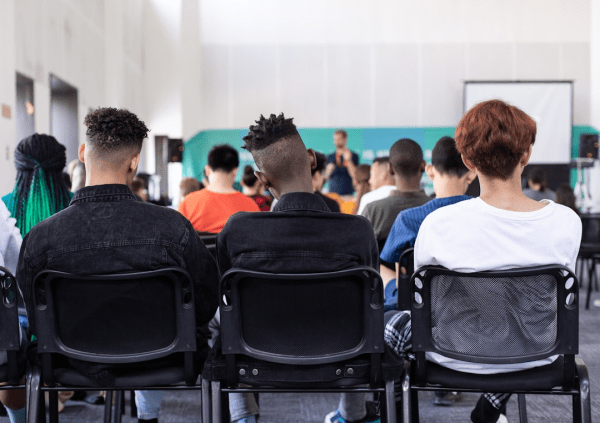
Scholarships not only ease financial burdens but also play a pivotal role in transforming students’ lives. They open doors for individuals who might otherwise be unable to pursue higher education, with many recipients sharing stories of overcoming significant challenges. Beyond monetary support, scholarships provide a vital boost to confidence, validating hard work and potential while motivating students to excel academically and engage in their communities.
These personal narratives reveal the diverse backgrounds and talents that can flourish when financial barriers are removed. Scholarship success stories often inspire peers and future generations, encouraging academic achievement and fostering a culture of mentorship and advocacy within communities.
Strategies for Students: Finding and Applying for Scholarships to Bridge the Gap
Navigating scholarships can be daunting, but strategic planning and early research make the process manageable. Students should target opportunities that match their strengths, interests, and background, using resources such as online databases, community centers, and school counselors. Meeting eligibility requirements, adhering to deadlines, and submitting complete documentation are essential.
A well-crafted personal statement helps showcase character and goals, setting applicants apart. Strong academic performance and active participation in extracurricular activities improve prospects, while building relationships with mentors and teachers can lead to valuable guidance and strong recommendations. Persistence through the search and application process increases the likelihood of securing substantial financial support for education.
Overall, the impact of scholarships on higher education accessibility cannot be overstressed. They offer vital financial relief, foster inclusivity, and empower students to pursue academic success against the odds. Scholarships are more than just monetary gifts; they are investments in the future leaders and innovators of our world. These programs not only change the lives of individual recipients but also enhance the fabric of society as a whole.

 International Journal of Research (IJR)