
1. Introduction to CRM
Customer Relationship Management (CRM) is a strategic approach that combines technology, processes, and people to manage an organization’s interactions with current and potential customers.
It focuses on building long-term, mutually beneficial relationships to increase customer satisfaction, retention, and profitability.
In simple terms, CRM is both a business philosophy and a technology platform that helps businesses understand their customers better, serve them more effectively, and ultimately grow.
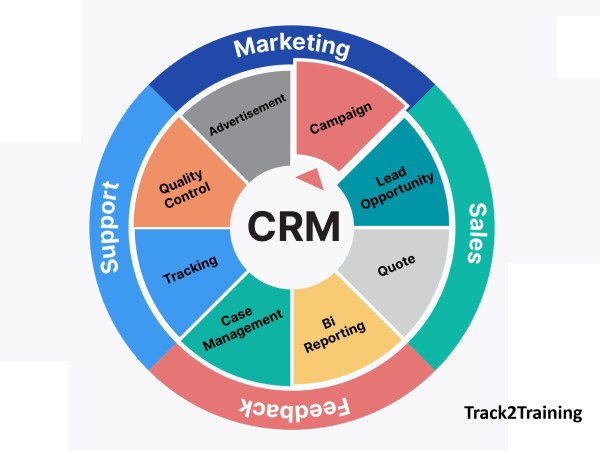
2. Objectives of CRM
- Enhancing Customer Satisfaction – By providing personalized and timely service.
- Increasing Customer Retention – Maintaining loyalty through continuous engagement.
- Boosting Sales and Revenue – Through better targeting, upselling, and cross-selling.
- Streamlining Business Processes – Automating tasks such as lead tracking, follow-ups, and reporting.
- Improving Decision-Making – Using customer data to guide marketing, sales, and service strategies.
The primary aim of CRM is to create a seamless and consistent customer experience across all touchpoints. By aligning company goals with customer needs, CRM not only increases loyalty but also improves profitability and operational efficiency.
3. Types of CRM
- Operational CRM – Focuses on automating and improving customer-facing processes.
- Analytical CRM – Focuses on analyzing customer data for decision-making.
- Collaborative CRM – Aims to improve communication between different departments and with customers.
Each type of CRM addresses a different business need. Operational CRM streamlines day-to-day activities, Analytical CRM turns raw data into actionable insights, and Collaborative CRM ensures that every department has access to the same customer information for consistent service delivery. There is one example, JIRA CRM.
4. Core Features of CRM Systems
- Contact Management – Storing customer details, communication history, and preferences.
- Lead Management – Capturing, tracking, and nurturing leads.
- Sales Pipeline Management – Tracking deals at various stages.
- Marketing Automation – Running and measuring marketing campaigns.
- Customer Support & Service – Managing complaints, queries, and support tickets.
- Analytics & Reporting – Sales forecasting, performance metrics, and trend analysis.
- Integration Capabilities – Connecting with ERP, email, social media, and payment systems.
- Mobile CRM – Accessing customer data on-the-go.
These features provide a centralized platform for managing all customer-related activities. By automating repetitive tasks and integrating with other business tools, CRM ensures efficiency while giving decision-makers real-time access to important customer data.
5. CRM Process
- Customer Acquisition – Attracting potential customers through campaigns and outreach.
- Customer Profiling – Collecting demographic, behavioral, and transactional data.
- Lead Nurturing & Conversion – Engaging leads and converting them into customers.
- Customer Service & Support – Offering post-purchase assistance.
- Retention & Loyalty Building – Creating programs and follow-ups to keep customers engaged.
- Continuous Improvement – Refining strategies based on analysis and feedback.
The CRM process is cyclical, starting with customer acquisition and continuing through service and retention. Feedback and data analysis feed back into the process, enabling businesses to continually improve their relationship strategies.
6. Benefits of CRM
- Improved Customer Experience – By knowing customer needs and preferences.
- Increased Sales Efficiency – Through automation and targeted outreach.
- Data-Driven Decision Making – Using analytics to guide strategy.
- Better Collaboration – Ensuring marketing, sales, and service teams work in sync.
- Higher Customer Retention – Building trust and loyalty.
- Reduced Costs – By optimizing marketing and operational efforts.
A well-implemented CRM system delivers tangible returns. It helps organizations convert more leads into customers, retain existing ones longer, and maximize the lifetime value of every relationship while minimizing operational inefficiencies.
7. Popular CRM Software Solutions
- Salesforce – Cloud-based, customizable, widely used across industries.
- HubSpot CRM – Free and integrated with marketing tools.
- Zoho CRM – Affordable and feature-rich.
- Microsoft Dynamics 365 – Integrated with Microsoft ecosystem.
- Pipedrive – Sales-focused, easy-to-use.
- Freshsales – AI-powered CRM for small and medium businesses.
The choice of CRM software depends on a company’s size, budget, and specific needs. While Salesforce dominates enterprise-level deployments, tools like Zoho and HubSpot appeal to small businesses seeking cost-effective yet powerful solutions.
8. Challenges in CRM Implementation
- High Initial Costs – Especially for premium cloud solutions.
- Resistance to Change – Employees may be slow to adopt new systems.
- Data Quality Issues – Inaccurate or outdated information can limit effectiveness.
- Integration Problems – Connecting CRM with legacy systems can be complex.
- Over-customization – Can make the system unnecessarily complicated.
Even though CRM brings great benefits, implementation challenges can slow adoption. Companies need strong leadership, proper training, and clean data to ensure CRM success.
9. Modern Trends in CRM
- AI and Machine Learning – Predicting customer behavior and automating processes.
- Social CRM – Engaging customers via social media channels.
- Voice and Conversational CRM – Using chatbots and voice assistants.
- Mobile-First CRM – Optimized for smartphones and tablets.
- IoT-enabled CRM – Using connected device data for better service.
- Customer Data Platforms (CDP) Integration – Centralizing customer information.
Modern CRM systems are becoming smarter and more connected. AI-driven insights, social media integration, and mobile accessibility are reshaping how companies interact with customers in real time.
10. Conclusion
CRM is more than just software — it’s a customer-centric business strategy.
In today’s competitive market, where customer experience is a key differentiator, CRM helps businesses:
- Understand their customers deeply
- Provide personalized experiences
- Drive loyalty and profitability
Organizations that effectively use CRM can transform customer relationships into long-term assets, resulting in sustainable business growth.

 International Journal of Research (IJR)