
In a digital landscape saturated with glossy travel photos and postcard-perfect moments, a new visual trend is emerging—off-season photography. This less conventional approach offers both aesthetic and strategic benefits, especially for destinations looking to differentiate themselves in a competitive tourism market.
Travel photography has long been a cornerstone of destination marketing. It helps shape traveler expectations, build emotional appeal, and convey a location’s story. However, much of today’s travel imagery relies on formulaic visuals: bright skies, iconic landmarks, and bustling scenes. While effective in establishing recognition, such images often fall short of generating lasting emotional impact.
According to an article on TravelDailyNews, off-season photography introduces a fresh perspective by showcasing destinations during periods of quiet and transition. This timing reveals a different side of places—more subtle, often more authentic, and deeply human.
The Artistic and Emotional Power of Stillness
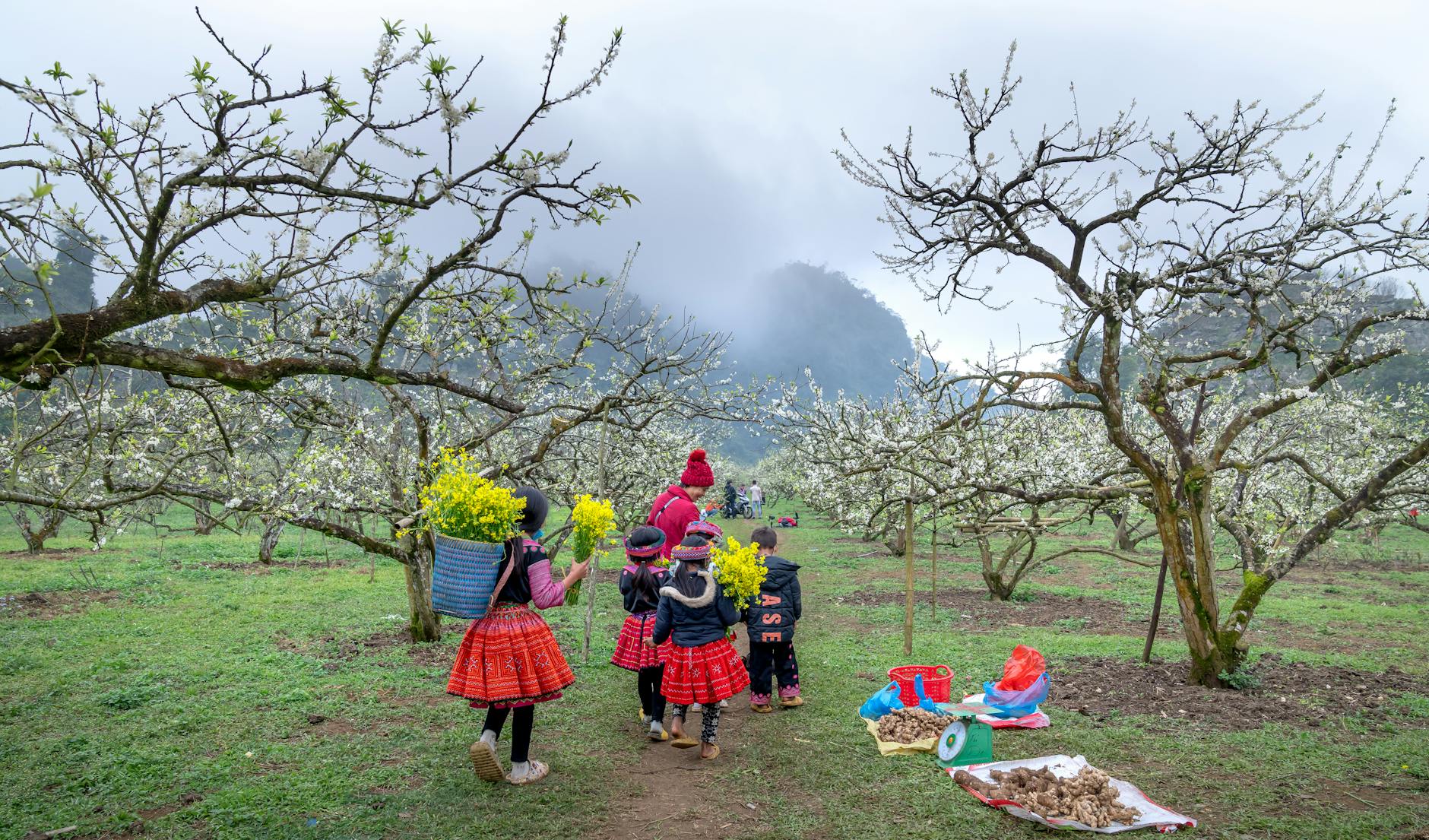
By stepping away from the crowd, off-season visuals capture a mood rather than a moment. They highlight the poetry in emptiness, the glow of streetlights in early twilight, or the solitude of a mist-covered harbor. These images feel introspective, encouraging viewers to imagine themselves within the scene—not as tourists but as participants in everyday life.
This emotional depth makes off-season photography particularly compelling for travelers seeking meaningful and immersive experiences. In an era where authenticity is a primary driver for travel choices, showing a destination as it exists beyond peak tourism lends credibility and emotional pull to marketing campaigns.
Aligning with Contemporary Travel Trends
Modern travelers, particularly millennials and Gen Z, are increasingly motivated by the desire to explore less conventional paths. They seek uniqueness, local culture, and the opportunity to escape from tourist-heavy areas. Off-season visuals directly support this mindset, presenting destinations in a way that feels less commercial and more personal.
Furthermore, this approach contributes to the goals of sustainable tourism. Encouraging visits outside of high season helps reduce strain on infrastructure and the environment, while supporting local economies year-round. It also broadens the narrative of what a destination can offer, beyond its most popular months.
A Strategic Asset for Destination Marketing
From a marketing perspective, incorporating off-season photography allows tourism boards and agencies to diversify their content portfolio. These visuals add nuance to destination branding, offering alternatives to the standard high-season image sets that dominate brochures and social media.
More importantly, they can help redefine the identity of a place. By showcasing moments of quiet beauty and everyday charm, destinations can communicate values such as authenticity, introspection, and resilience. These attributes resonate well during periods of brand transition or repositioning.
Marketers who use off-season imagery often report improved engagement. Viewers are more likely to pause, reflect, and emotionally connect with images that feel honest and unexpected. This engagement is not just emotional—it’s also strategic, contributing to longer-term brand loyalty and trust.
Practical Considerations and Implementation
To effectively leverage off-season content, marketers should think in terms of narrative consistency rather than isolated shots. A well-edited series that explores mood, tone, and place-specific details can function as a visual essay. This kind of content is particularly effective for editorial publications, destination blogs, and trade presentations.
Flexibility is crucial. Conditions in the off-season are less predictable, but that unpredictability often gives rise to the most memorable images. A shift in weather or a spontaneous street scene can lead to content that feels alive and unrehearsed.
Another key advantage is exclusivity. Off-season photos are difficult to replicate, making them valuable long-term assets in a destination’s visual archive. Unlike stock imagery, these photos retain their uniqueness and narrative strength over time.
Conclusion
Off-season photography is more than a niche technique—it’s a shift in perspective that brings clarity, emotion, and authenticity to travel marketing. As travelers increasingly seek deeper connections and less curated experiences, this approach offers a powerful tool for standing out and telling richer, more meaningful stories.

 International Journal of Research (IJR)