
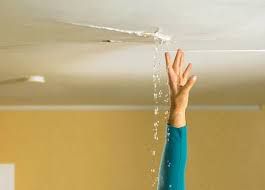
Hidden water leaks can cause serious damage before you even notice them. Unlike obvious drips under sinks, these hidden issues often go undetected until they lead to mold, structural damage, or high water bills. Whether you own or rent, spotting the signs of hidden leaks is key to avoiding costly repairs. Aging pipes and changing temperatures can make leaks worse, so early detection is crucial. Here’s how to spot and fix hidden water leaks before they become disasters.
1. Monitor Your Water Bill for Unexplained Spikes
A sudden spike in your water bill is often an early sign of a hidden leak. If your water habits haven’t changed—no extra guests, increased watering, or new appliances—but your bill has gone up, it could signal a problem. Check your water bills from the past three months; an unexplained increase likely means it’s time to investigate.
2. Look for Signs of Mold and Mildew
Hidden water leaks create the perfect environment for mold and mildew to grow, especially in damp, dark spaces like behind walls or under flooring. Musty odors or mold in unexpected areas—such as ceilings, baseboards, or closets—could signal a hidden problem. Even small mold patches often indicate a consistent moisture source, likely from a slow leak. Catching these signs early can prevent further damage.
3. Check for Water Stains and Wall Discoloration
Water always leaves clues. Keep an eye out for discolored spots on walls, ceilings, or floors, often appearing as yellow, brown, or gray stains that may expand over time. Bubbling paint or warped drywall can also be telltale signs of trouble. These indicators typically point to a hidden water leak within the walls, seeping into and damaging the surrounding materials.
4. Listen for Dripping or Running Water Sounds
Even if you can’t see a leak, you might hear it. Listen for running or dripping water when all taps are off. A faint trickle behind walls or floors, especially at night when it’s quiet, is worth checking out. Unusual pipe noises when appliances aren’t in use could also mean there’s a hidden issue.
5. Use the Water Meter to Test for Leaks
Your water meter is a great tool for spotting leaks. First, make sure all water sources in your home are off—no running faucets, flushing toilets, or dishwashers. Then, check the meter. If it’s moving, there may be a leak in your plumbing. This quick test can confirm your concerns before calling a professional.
6. Examine Outdoor Areas for Soggy Spots
Leaks aren’t just an indoor problem—outdoor systems like irrigation lines, hose bibs, and buried pipes can leak too. Walk around your yard and look for soggy patches, wet spots, or unusually lush grass, which may signal a hidden leak. Outdoor pipes are especially vulnerable to damage from freezing and thawing, so regular inspections are key to catching issues early and avoiding costly repairs.
7. Don’t Ignore Low Water Pressure
A sudden drop in water pressure can be more than an inconvenience—it may point to a hidden leak, especially if the issue is confined to one area of your home. While low water pressure can also result from a clog, when combined with other warning signs, a leak becomes the more likely culprit. Addressing the problem promptly is crucial to avoid further water loss or potential damage to your pipes.
8. Take Action with Leak Detection Services
If you notice warning signs of a leak but can’t find the source, it’s time to call in the experts. Leak detection services in Sandy use advanced tools like thermal imaging and acoustic sensors to locate even tiny leaks without damaging your walls or floors. Early detection helps minimize water waste, prevent mold, avoid structural damage, and save you time and money.
Conclusion
Hidden water leaks are a silent danger to your home, capable of causing structural damage, inflating utility bills, and even harming your health if ignored. Watch for warning signs such as unexpected spikes in your water bill, the appearance of mold or stains, or unusual sounds like dripping or hissing. If you suspect a leak, scheduling a professional inspection can save you both time and money while protecting your home from further damage.

 International Journal of Research (IJR)