
Have you suffered a household plumbing issue at some point? From frustrating leaks to clogged pipes, these problems tend to crop up when you least expect or need them. But what if you were told that with some basic knowledge and a few preventative measures, you could avoid these issues altogether? Below are research-backed tips you can implement for hassle-free plumbing.
Now, make one thing clear, you don’t have to be a professional plumber to maintain your home’s plumbing system effectively. Every homeowner can apply these tips. For those interested in adding value to this conversation about proactive care, consider participating in this plumbing initiative.
Preventive Plumbing Maintenance
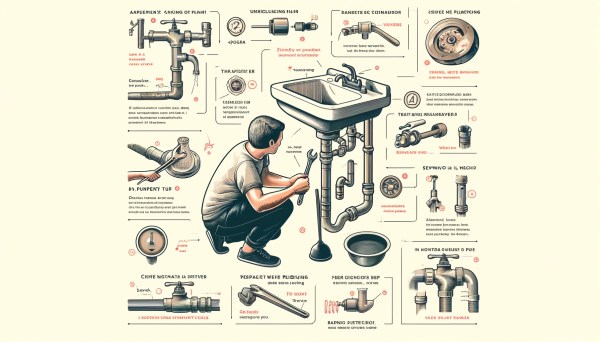
Arguably the best method for avoiding plumbing complications is preventive maintenance. Not only does it mitigate the possibility of emergency repairs but it also extends the lifespan of your system.
To start with, check your pipes and faucets for leaks regularly. Small drips can swiftly escalate into substantial problems if not addressed promptly. While you’re at it, take the time to check your toilet for any leaks by adding food coloring to your tank. If the color starts seeping into the bowl within half an hour, you’ve got a problem that needs fixing.
Furthermore, insulating your pipes is a vital step in preventive maintenance. When temperatures drop dramatically, pipes can freeze and burst. A bit of insulation can go a long way in stopping such disasters. Lastly, knowing where your main shutoff valve is can save tons of valuable resources and prevent water damage should a major leak occur.
Remember that routine maintenance goes beyond simply reacting to issues. You must proactively care for your system. A professional maintenance checkup once or twice a year wouldn’t hurt either.
Reducing Water Pressure
High water pressure is a homeowner’s silent enemy. Unbeknownst to many, it puts an unnecessary strain on your entire plumbing system. It can lead to faster wear and tear, resulting in leaks or serious pipe damage.
What is the solution? Reducing your home’s water pressure. Invest in a water pressure gauge from your local hardware store. Ideal water pressure should be around 60 psi. If it exceeds 75 psi consistently, you should consider getting a pressure regulator for your home.
This device will help manage your water pressure and prevent potential damage to your plumbing system. Remember, high water pressure might feel nice in the shower, but it’s not great for your plumbing health in the long run.
Addressing Slow Draining Sinks
A slow draining sink can be incredibly frustrating, and if left untreated, it may evolve into a total blockage. Thankfully, there are a few ways you can fix this issue before it spirals out of control.
The first step is to always have a plunger at hand. Many minor clogs can be cleared with this handy tool, provided it’s used correctly. Make sure you form a good seal around the drain before applying a plunging force.
If plunging doesn’t work, you could try using a plumber’s snake or hand auger. The American Society of Plumbing Engineers (ASPE) refers to these tools as important components in every homeowner’s plumbing toolbox. They are great for clearing out stubborn clogs that have lodged deeper in the drainpipe.
Proper Disposal of Grease
Surely you’ve all heard it before: grease doesn’t belong down the drain! Yet, many people are guilty of this cardinal plumbing sin. No matter how easy it seems, pouring grease down the sink is a surefire way to end up with clogged pipes.
When grease cools, it solidifies and sticks to the interior of pipes, creating sticky corridors that trap food particles and other debris. Over time, these blockages can lead to severe plumbing problems.
So what’s the remedy? Store the grease in a trash-ready container and discard it with regular waste. Your pipes (and your local plumber) will thank you!
Optimizing Water Heater Efficiency
Does it take forever for your water to heat up? Experiencing frequent fluctuations in water temperature during showers? It’s time to consider optimizing your water heater efficiency.
Firstly, have a look at your water heater’s thermostat. Many manufacturers set them at a default temperature of 140 degrees Fahrenheit. However, the Department of Energy recommends a more efficiency-friendly setting of 120 degrees. By adjusting your thermostat, not only will you save on energy costs, but you can also prolong the life of your water heater and prevent scalding injuries.
Regular flushing is another way to increase efficiency. Over time, sediment builds up at the bottom of your tank which causes your water heater to work harder than necessary. Simply draining a few gallons from the unit annually can prevent this build-up and keep it working seamlessly.
Last but not least, insulating your hot water tank and exposed piping can reduce heat loss and save money. Particularly with older units, remember that every bit of efficiency achieved adds up!
Tackling Toilet Clogs Correctly
Sanitation is vital, and blocked toilets are amongst the most common – and unpleasant – household plumbing issues. Rather than immediately calling for professional aid, try tackling it yourself first with appropriate care and tools.
You will need a good plunger – not the typical sink plunger, but a toilet plunger with an extended flange on its rubber bell-shaped end. Apply firm pressure, plunge vigorously, then pull back slowly to maintain suction. Repeat the process until the water starts to drain.
If plunging proves futile, a toilet auger is your next bet. Insert the auger into the bowl with its bent tip directed upward. Crank gently to break up or retrieve the clog. Be careful not to apply excessive force which may damage the pipe.
In case all DIY efforts fail, calling in a professional plumber is a sensible decision. Some clogs are stubborn and may even indicate major sewer problems that warrant advanced tools and expertise.
DIY Plumbing Safety Tips
Various plumbing tasks can be successfully dealt with at home with a bit of know-how and skill. However, always remember safety comes first.
Start by ensuring you have the right tools for every job. You’ll need wrenches, plungers, plumber’s tape, cut-off valves and more – accurate tools enable efficient and safe work.
Whenever you’re performing any plumbing tasks, turn off the water source first to avoid flooding your work area or suffering potential injuries. Test on a faucet to assure water supply truly is off before starting work. More importantly, if working on gas appliances, remember to shut off your gas supply as well!
Don’t force stubborn parts. If something doesn’t give way with reasonable effort, it may be a sign that you’re not doing things right or your tool isn’t up to mark. Remember, brute force can result in broken parts and additional costs.
Last but not least, don’t hesitate to contact a professional such as Dan’s Plumbing when a job is beyond your expertise. Trying to handle complex plumbing problems without appropriate knowledge could potentially result in damage or injury.
Final Thoughts
By adopting some simple preventive measures and knowing how to tackle minor issues effectively, you can save yourself a significant amount of time, money and stress. Routine checks, safe DIY practices and investing in water-smart appliances will certainly benefit your home’s plumbing system.
Remember, rather than solving problems after they have occurred, adopt a proactive stance to maintain your system healthy. After all, prevention really is better than cure.

 International Journal of Research (IJR)